Boost Kids Love for Home Gardening with Positive Reinforcement
Encouraging a Green Thumb
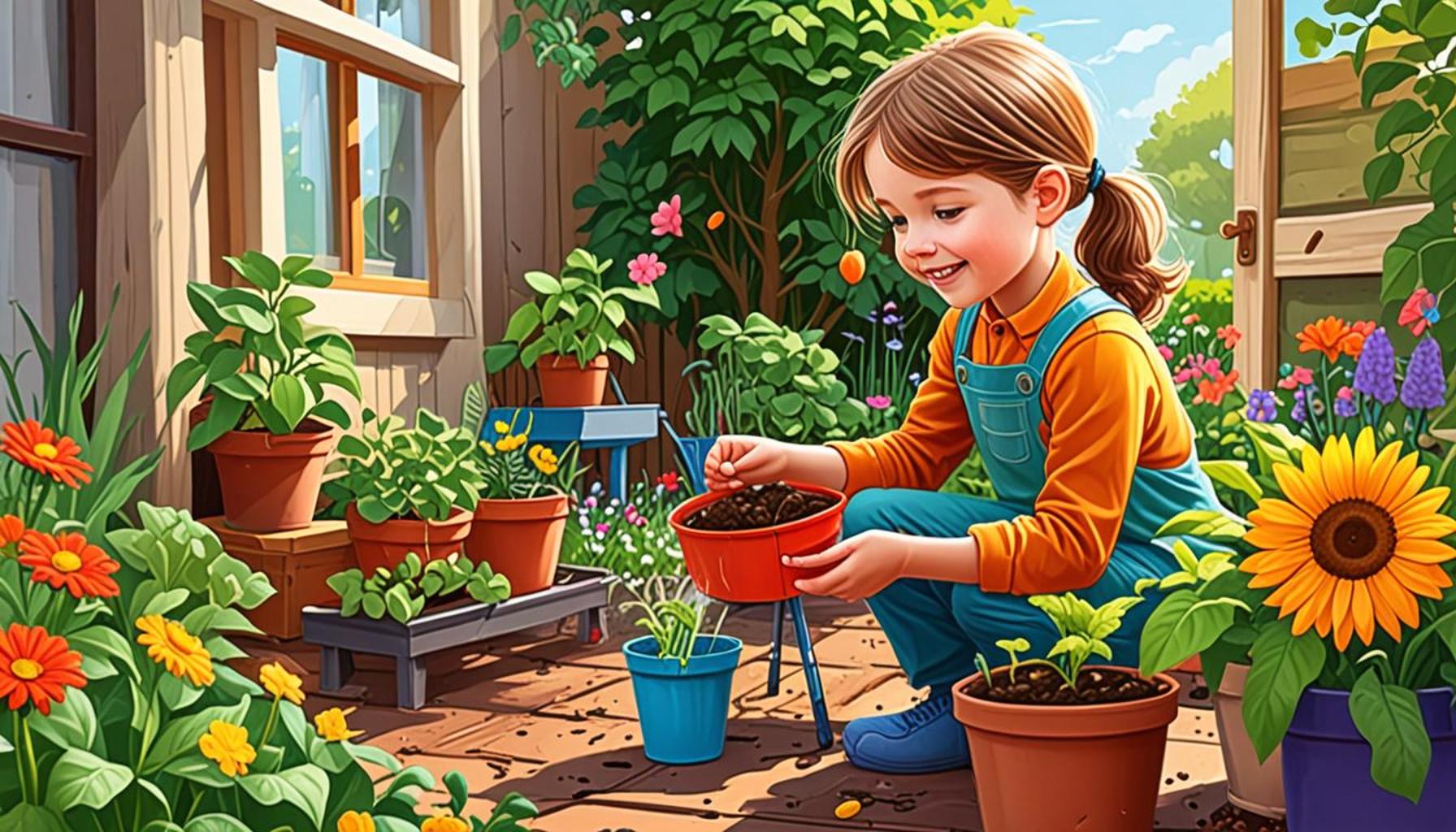
In today’s fast-paced world, cultivating a love for nature in children can be incredibly rewarding. Engaging kids with home gardening not only fosters a connection to the environment but also encourages healthy habits and self-sufficiency. Using positive reinforcement as a technique can help make gardening an enjoyable and fulfilling activity for young enthusiasts.
Why Focus on Positive Reinforcement?
Positive reinforcement creates a supportive atmosphere that promotes enthusiasm and growth. By celebrating achievements and rewarding efforts, children are more likely to embrace gardening as a fun and educational experience. Here are some compelling reasons to utilize this approach:
- Encourages self-esteem and confidence.
- Increases motivation through acknowledgment.
- Transforms tasks into enjoyable activities rather than chores.
What to Expect in This Article
As we explore the best practices for nurturing a budding gardener’s passion, you will discover the Top 5 techniques for using positive reinforcement in home gardening. These insights will not only help children thrive in their gardening adventures but also strengthen family bonds through shared experiences. Get ready to dig into these enriching strategies!
Top 5 Ways to Use Positive Reinforcement to Encourage Children in Home Gardening
Creating a garden at home offers children the chance to explore nature, develop valuable skills, and nurture their creativity. However, encouraging your little ones to engage consistently with the up-and-down world of gardening can sometimes be a challenge. Positive reinforcement is a practical strategy to motivate children and ensure they find joy in caring for plants. Below, we will explore five effective methods, ranked from fifth to first, to inspire your kids to get their hands dirty and develop a lifelong love for gardening.
5. Celebrate Small Achievements
Every gardener, big and small, deserves acknowledgment for their accomplishments, no matter how minor they may seem. Celebrating even the smallest achievements can effectively boost a child’s confidence and interest in gardening. Offering praise or a small reward after they plant seeds or water plants can make the experience far more enjoyable.

- Visual Rewards: Consider creating a colorful chart where children can place stickers for every task accomplished. This visual motivation creates immediate satisfaction while allowing kids to see their progress over time.
- Gardening Journals: Encourage them to document their gardening journey; each new entry is another reason to celebrate. This can include drawings, notes about the weather, or photos of their growing plants.
When children see their successes accumulating, their experiences with gardening transform into a reservoir of positive memories and accomplishments. This approach ultimately fosters a deeper connection to and enjoyment of the gardening process.
4. Use Themed Gardening Activities
Theming your gardening sessions can add an element of fun and excitement. For instance, choose a theme like ‘Butterfly Garden’ or ‘Pizza Ingredients’ where children can grow specific plants related to the theme. This not only captivates their imagination but also allows them to create a garden that resonates with their interests.
- Nature Explorers: Equip children with explorer hats and magnifying glasses to make them feel like true adventurers. This element of role play encourages them to observe the finer details of the garden and learn about the critical relationships between plants and insects.
- Cultural Celebrations: Tie gardening tasks with cultural holidays; for example, plant corn for a Thanksgiving celebration. This not only teaches about plant growth but also about cultural traditions and food sources.
This strategy utilizes positive reinforcement by linking gardening tasks to personal interests and cultural significance, enhancing their engagement and enthusiasm. Children become eager to see how their efforts celebrate the themes they care about.
3. Create Gardening Challenges
Incorporating friendly competitions or challenges can motivate children while fostering teamwork. Design various challenges like who can grow the tallest sunflower or who can find the fastest-growing plant in the garden. These challenges can help create excitement and encourage children to actively participate.
- Group Efforts: Involve other family members for larger challenges. This transforms gardening into a family bonding experience, encouraging cooperation and mutual encouragement.
- Prize Incentives: Offer simple rewards or prizes for completion, such as a favorite treat or extra screen time. The prospect of a reward fuels their determination and adds an extra layer of thrill to the task.
As kids engage in a fun, competitive atmosphere, their drive to achieve gardening goals will likely escalate, making them feel accomplished and recognized. These challenges also enhance problem-solving skills and patience as they troubleshoot various gardening tasks.
2. Introduce Educational Components
Integrating educational elements while gardening can bolster a child’s interest as they learn the principles behind what they grow. Sharing fun facts about the plants they are tending to or involving them in research about sustainable practices can be invaluable. Utilizing hands-on experiences coupled with new knowledge reinforces their accomplishments and gives depth to their gardening efforts.
- Science Projects: Help them conduct simple experiments to see how different conditions affect plant growth. For example, altering light or water levels and observing changes gives insight into plant care.
- Gardening Books: Encourage reading books about gardening or botany that relate to their tasks. These resources can be age-appropriate from picture books for younger kids to guides for older children.
This holistic approach not only deepens their understanding but inherently influences their enthusiasm and commitment to gardening. It encourages curiosity, highlights the importance of the natural world, and integrates learning with fun.
1. Build Routine and Consistency
The most effective form of positive reinforcement in gardening is establishing a routine. Setting specific days for planting, watering, and weeding can help children form a habit. Consistency paired with positive feedback—like verbal encouragement or small rewards—reinforces their commitment to the gardening process.
- Gardening Schedules: Create a planner for gardening activities, assigning simple tasks they can easily manage independently. Consistent engagement, through established routines, promotes a sense of stability and expectation.
- Community Participation: Involve them in local gardening clubs or community gardens for social reinforcement. Joining a community where gardening is appreciated and celebrated can affirm a child’s efforts and achievements.
Routine provides a structure—paired with reinforcement—that elevates their sense of responsibility and excitement for gardening, creating an enriching experience that fosters lifelong gardening enthusiasts. Children come to expect gardening responsibilities and, more importantly, anticipate the rewards of their consistent effort.
Using positive reinforcement in these five ways can lead to an enriching gardening experience for your children, nurturing their love for planting, growing, and learning. By linking fun, education, and consistency with motivation techniques, you foster an environment that not only promotes horticultural knowledge but also builds character, patience, and a passion for nature.
| Category | Details |
|---|---|
| Encouragement of Responsibility | When children are responsible for nurturing plants, they learn to take ownership of their actions. Positive reinforcement can enhance this sense of duty, as rewards for successfully maintaining plants create a link between effort and positive outcomes. |
| Development of Patience | Gardening is a gradual process where immediate results are not always visible. Employing positive reinforcement practices can teach children to value the rewards of patience, as they learn that consistent care leads to blooming flowers or ripening fruits, thus instilling a long-term perspective in task completion. |
| Strengthening Family Bonds | When families engage in gardening together, using positive reinforcement can create a fun atmosphere where celebrating small successes fosters a sense of togetherness. This shared experience enhances communication and strengthens relationships among family members. |
| Enhancing Educational Opportunities | Gardening offers an array of opportunities for teaching lessons in science, ecology, and nutrition. Positive reinforcement can motivate children to learn, as rewards for new discoveries or completed tasks can enhance their engagement and curiosity in a hands-on learning environment. |
Frequently Asked Questions on Positive Reinforcement in Home Gardening for Children
How does positive reinforcement aid in getting children interested in gardening?
Positive reinforcement can be a powerful tool for encouraging children to take an interest in gardening by rewarding their efforts and progress. When children receive praises or small rewards for planting a seed or watering their plants, it reinforces the behavior. This not only makes gardening a fun and rewarding activity but also helps them develop a lifelong appreciation for nature. Techniques such as verbal praise or a gardening sticker can significantly increase their motivation and interest.
What types of positive reinforcement are most effective in gardening activities?
Different forms of positive reinforcement can be effective, depending on the child’s preferences. Some children respond well to verbal praise, such as a simple “Great job!” or “Look at how well your plants are growing!”. Others may be motivated by tangible rewards, such as a small toy or extra playtime. It’s crucial to identify what type of reinforcement resonates most with your child. Importantly, the reinforcement should be consistent and immediate to effectively encourage ongoing participation in gardening activities.
How can I ensure that the use of positive reinforcement is not overdone?
While positive reinforcement is beneficial, overusing it can diminish its effectiveness. It is essential to balance encouragement with opportunities for children to enjoy gardening for its intrinsic rewards, such as the satisfaction of seeing their plants flourish. To prevent over-reliance on rewards, encourage children gradually to set personal goals and teach them to take pride in their accomplishments without external incentives. Striking this balance can help cultivate a genuine interest and love for gardening.
Are there any challenges with using positive reinforcement in gardening?
One challenge might be in aligning positive reinforcement with the natural and often slower pace of gardening. Children used to immediate gratification might find it difficult to wait for visible results, such as a plant’s growth. A structured plan that includes short-term milestones can help manage expectations and maintain motivation. Additionally, understanding that different children may respond differently to types of reinforcement can also be a challenge that requires attention and adaptation.
Conclusion
Incorporating positive reinforcement into home gardening activities offers a multitude of benefits for both children and families. By employing techniques such as praise, rewards, and setting attainable goals, parents can cultivate a love for gardening in their children, fostering both responsibility and a sense of accomplishment. These methods not only strengthen familial bonds but also nourish children’s understanding of sustainability and the environment.
The power of positive reinforcement lies in its ability to transform a simple backyard activity into a fun and educational experience. By offering genuine acknowledgment and appreciation, parents can significantly enhance a child’s commitment and enthusiasm for gardening. The concept of rewarding children’s efforts—whether through verbal commendation, a favorite treat, or an extended playtime—proves to be a potent motivator in encouraging consistent involvement.
For beginners interested in gardening at home, starting small with manageable projects allows for achievable successes that can be celebrated, thereby reinforcing positive behavior. Over time, these joyous experiences and recognitions form a positive association with the garden, leading to a lifelong appreciation for nature and gardening.
As we consider the benefits and the wide-ranging impact of involving children in gardening through positive reinforcement, it becomes evident that this is more than merely a hobby. It is an invaluable opportunity to educate the younger generation about the importance of nature, while simultaneously teaching valuable life skills such as patience, responsibility, and creativity.
In conclusion, using positive reinforcement in the context of home gardening is not only a powerful educational tool but also a method to instill lasting values in children. As more families embrace this approach, the prospect of nurturing a generation that values sustainability, environmental stewardship, and, indeed, the simple joy of gardening becomes all the more promising. Consider embarking on this journey with enthusiasm, and you may be pleasantly surprised by how much both you and your children grow together.

Linda Carter
Linda Carter is a writer and growth mindset specialist with expertise in cognitive development and resilience training. With extensive experience helping individuals transform limiting beliefs and unlock their potential, she shares practical mindset strategies on our platform. Her goal is to empower readers with science-backed techniques to cultivate adaptability, embrace challenges, and achieve continuous personal and professional growth.