Cultivating Resilience: How Home Gardening Can Boost Mental Health for Beginners
The Therapeutic Benefits of Home Gardening
In today’s fast-paced society, many individuals grapple with unprecedented levels of stress. As a response, many are turning to home gardening—not just as a hobby, but as a holistic approach to improving mental health. This age-old practice is gaining traction as it provides a multifaceted allay to emotional turmoil while nurturing both the mind and soul.
Connection to Nature: Spending time outdoors and getting your hands in the soil can significantly improve one’s mood. Research indicates that being immersed in nature reduces feelings of isolation and enhances feelings of togetherness. For example, studies have shown that people who engage with their gardens often report a greater sense of belonging which can stem from watching the transformation of living things. This biological connection creates a sense of peace that is inherently therapeutic.
Physical Activity: Gardening is not just soothing for the mind; it’s beneficial for the body as well. Engaging in gardening activities such as digging, planting, and weeding provides a moderate workout that promotes better health. As you cultivate your plants, your body generates endorphins—often referred to as “feel-good” hormones. This rise in endorphins can combat symptoms of anxiety and depression, turning a simple planting session into a natural mood booster.
Minding the Moment: The act of gardening requires focus, demanding attention to the subtleties of plant care, soil conditions, and pest control. This concentration can serve as a form of mindfulness, encouraging individuals to stay grounded and present. Many novice gardeners find that observing the intricate details of each seedling can help redirect their thoughts away from daily stresses, allowing them to achieve a state of tranquil awareness.
Creative Expression: One of the appealing aspects of gardening is the ability to design and customize your space. From selecting color combinations of flowers to arranging a vegetable patch, gardening allows for a unique form of creative expression. This artistic involvement not only brings joy but also personal fulfillment, contributing positively to one’s self-esteem.
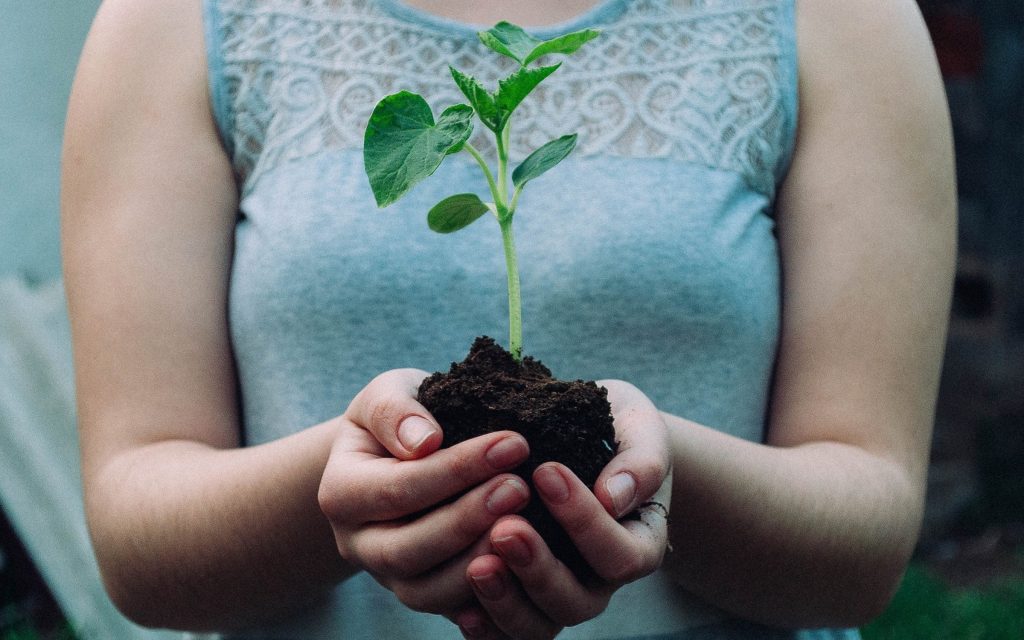
Sense of Accomplishment: Witnessing the growth of your plants can be incredibly rewarding. Each sprout and bloom symbolizes a significant achievement, reinforcing a sense of success that can spill over into other areas of life. This sense of accomplishment fosters resilience, encouraging you to set new goals and strive for personal growth.
Embarking on a gardening journey can transform not just your physical environment, but also your mental landscape. Whether it’s a small herb garden on a windowsill or an expansive vegetable patch in the backyard, nurturing plants offers a pathway to emotional and psychological well-being. As you engage with nature, exercise, practice mindfulness, express creativity, and foster a sense of accomplishment, the benefits of home gardening become clear, offering a lifeline amidst the chaos of modern life.
DISCOVER MORE: Click here to learn how to inspire kids in gardening
Understanding the Psychological Impact of Gardening
As mental health challenges become more prevalent in our society, the need for natural and accessible solutions has never been greater. Home gardening emerges as a viable answer, offering a therapeutic outlet for beginners looking to enhance their well-being. By understanding the profound psychological impact of this practice, individuals can better appreciate how simply tending to plants can lead to significant improvements in mental health.
The Science of Nature’s Healing: Research highlights a strong correlation between nature exposure and psychological health. A systematic review published in the International Journal of Environmental Research and Public Health presents compelling evidence that green spaces—even small home gardens—can alleviate symptoms of anxiety and depression. For those dipping their toes in the world of gardening, the mere act of nurturing life can act as a buffer against stress-related maladies.
Routine and Structure: In an unpredictable world, establishing a routine can foster feelings of stability, which is often hard to come by. Gardening provides a structured, goal-oriented practice that encourages consistency. For beginners, simple tasks such as watering plants or practicing daily garden maintenance can create a sense of normalcy amidst life’s uncertainties. This predictable demand and rhythm can be grounding, allowing individuals to channel their energies productively.
Sensory Engagement: Engaging with a garden stimulates the senses—sight, sound, touch, and even smell. The vibrant colors of flowers, the texture of leaves, and the rich scent of soil contribute sensory richness that can evoke joy and relaxation. Research suggests that sensory engagement can help lower cortisol levels, thereby reducing stress and anxiety. Volunteers in community gardening programs often report experiencing heightened sensations, leading to notable improvements in overall mood.
Community Connection: Home gardening does not have to be a solitary activity. Many beginners find solace in sharing their gardening experiences, whether with friends, family, or a local gardening club. These connections enhance social interactions and foster a sense of belonging. Engaging with others creates opportunities for shared learning and encouragement, which can significantly boost resilience during challenging times.
Starting Your Gardening Journey
For those new to the practice, planting the first seed can seem daunting. However, cultivating a garden does not require advanced knowledge or a green thumb. It begins with some basic steps that anyone can follow:
- Choose the Right Plants: Select plants suited for your climate and skill level. Beginners may find success with low-maintenance options like herbs, succulents, or flowers that thrive with minimal care.
- Allocate a Space: Determine where you want to garden—whether on a balcony, a small porch, or even indoors. Creating a designated area can help contain the space and make gardening less overwhelming.
- Invest in Basic Tools: Equip yourself with essential gardening tools such as gloves, a trowel, and watering can. These tools can enhance your gardening experience and make the tasks more enjoyable.
- Set Small Goals: Begin with small objectives, such as planting one type of flower or starting an herb garden. Achieving these simple goals is a crucial way to build confidence and develop resilience over time.
As you embark on this gardening journey, each of these steps can contribute to not only creating a beautiful space but also enhancing your mental well-being. By nurturing plants and engaging with the earth, beginners are set on a path toward developing resilience, fostering joy, and cultivating a flourishing state of mind.
Cultivating Resilience Through Home Gardening
Home gardening is not only an enjoyable activity but also a powerful tool for enhancing mental health. The act of nurturing plants fosters a sense of purpose, allowing individuals to connect with nature and develop a routine that is beneficial for mental well-being.
The Therapeutic Effects of Gardening
Engaging in gardening can significantly reduce stress levels. Studies have shown that spending time outdoors, surrounded by greenery, can decrease feelings of anxiety and depression. The repetitive tasks of planting, weeding, and watering provide a form of meditation, helping to clear the mind while focusing on the present moment. This practice often evokes feelings of accomplishment, especially when plants begin to flourish, boosting self-esteem and personal agency.
Building a Supportive Community
Gardening also encourages individuals to form connections with like-minded people. Whether it’s through community gardens, gardening clubs, or online forums, sharing gardening experiences can create a support network. These interactions can lead to friendships that foster resilience, as individuals learn from one another and share tips on overcoming challenges, both within gardening and in personal life struggles.
Creating a Sense of Space
For beginners, starting a home garden can lead to the transformation of a mundane space into a personal oasis. Even a small window box can become a source of joy and relaxation. The vibrant colors and scents of flowers, herbs, and vegetables uplift the spirit, making everyday life more beautiful and enjoyable. This transformation encourages individuals to express their creativity, providing an outlet that can be immensely fulfilling.Further, embracing the responsibility of caring for living plants teaches patience and commitment, valuable traits that can enhance emotional resilience. As gardeners witness the growth process, they also learn to embrace the cycles of life and adapt to changing circumstances, nurturing a growth mindset.The multifaceted benefits of home gardening offer an accessible method for those seeking to enhance their mental health. By dedicating just a small portion of their time to this enriching activity, beginners can experience profound improvements in their emotional well-being. The journey not only cultivates plants but also nurtures the spirit, promoting a holistic approach to resilience and mental health.
| Category | Key Features |
|---|---|
| Stress Reduction | Gardening activities promote relaxation and decrease anxiety. |
| Community Building | Engagement with fellow gardeners enhances social connections. |
| Creativity Boost | Garden design and plant choices provide a platform for self-expression. |
In exploring the intersection of home gardening and mental health, beginners can discover a transformative pathway towards resilience and emotional wellness.
DON’T MISS: Click here to learn how gardening can enhance your coping skills
The Emotional Benefits of Nurturing Plants
While the physical act of gardening offers numerous benefits, the emotional rewards associated with nurturing plants can be equally transformative. Engaging with nature through home gardening allows beginners to experience a multitude of positive feelings that can enhance their overall mental health.
Mindfulness and Presence: Gardening encourages a state of mindfulness—a mental approach that emphasizes being present in the moment. As beginners immerse themselves in the process of sowing seeds or watering plants, they may find their minds shift away from stressors and distractions. This meditative quality of gardening can offer an essential respite from daily worries, promoting emotional clarity and resilience.
Achievement and Empowerment: Successfully growing a plant can foster a profound sense of achievement for beginners. Witnessing a seedling sprout into a flourishing plant instills confidence in one’s ability to nurture and care for life. This sense of empowerment extends beyond the garden; it spills over into other areas of a person’s life, reinforcing the notion that they can overcome challenges and achieve their goals.
Alleviating Loneliness: Gardening provides a unique opportunity for individuals feeling isolated to connect with their environment and themselves. By giving care to living entities, people develop a bond that can mitigate feelings of loneliness. Research from the University of Utah found that interactions with plants can lead to lower rates of perceived social isolation. Whether it’s tending to a hardy cactus on a windowsill or curating a vibrant flower garden, the companionship that comes with caring for plants can foster a sense of connection and belonging.
Creating a Therapeutic Space
Transforming a garden into a therapeutic space can greatly amplify the mental health benefits for beginners. Here are some simple strategies to create a calming environment:
- Incorporate Aromatic Plants: Plants such as lavender, mint, or rosemary not only add beauty but also release soothing aromas that can uplift moods. Adding these fragrant herbs to your garden can create a tranquil atmosphere conducive to relaxation.
- Designate a Relaxation Zone: Consider creating a peaceful corner in your garden with seating and soothing decor. This space can serve as a retreat for mindfulness practices, reflection, or simply enjoying the beauty of nature.
- Utilize Color Psychology: Incorporating colorful flowers or plants known for their bright hues can elevate one’s mood. Colorful blooms can evoke feelings of happiness and positivity, providing emotional comfort throughout the gardening process.
- Personalize Your Garden: Adding personal touches such as whimsical decorations or artwork can transform a gardening space into a true sanctuary. These elements can offer inspiration and peace, reflecting the gardener’s personality and preferences.
By creating personalized and therapeutic garden spaces, beginners can turn their gardening endeavors into profound acts of self-care, enhancing their mental health and resilience. Ultimately, the beauty of home gardening is that it enables individuals to cultivate not only plants but also a deeper connection with themselves and their well-being.
DISCOVER MORE: Click here to learn how gardening can enhance your coping skills
Conclusion
Cultivating resilience through home gardening is not just about tending to plants; it is a journey that nurtures the mind and soul. For beginners, engaging in gardening offers a valuable opportunity to reconnect with nature, promoting mindfulness that helps dispel everyday anxieties, and allowing a unique form of self-expression as individuals watch their efforts transform into blooming life. The act of nurturing a garden can equip individuals with a strong sense of empowerment, proving that through patience and care, they can overcome life’s challenges both in and out of the garden.
The emotional benefits of gardening are profound and varied. From alleviating feelings of loneliness to providing a sense of accomplishment, the therapeutic aspects of home gardening can be a boon to mental health. Furthermore, creating a serene space dedicated to gardening facilitates deeper introspection and encourages a devoted practice of self-care.
As you venture into the world of home gardening, remember that every seed sown is a step towards enhancing not only your garden but your mental well-being as well. Embrace the process, celebrate small victories, and allow your creativity to bloom, for each moment spent in the garden is a source of strength. The transformation afforded by home gardening doesn’t merely foster resilience; it rejuvenates the spirit and enriches life. So why not dig in, plant those seeds, and cultivate both your garden and your mental fortitude today?

Linda Carter
Linda Carter is a writer and growth mindset specialist with expertise in cognitive development and resilience training. With extensive experience helping individuals transform limiting beliefs and unlock their potential, she shares practical mindset strategies on our platform. Her goal is to empower readers with science-backed techniques to cultivate adaptability, embrace challenges, and achieve continuous personal and professional growth.