Finding Beauty in Imperfection: How the Challenges of Gardening Can Lead to Surprising Results
Embracing Imperfection in Your Garden
In the world of gardening, imperfection is not just common; it is often beautiful. Each gardener encounters challenges that can seem daunting but can also yield surprising results. Embracing these imperfections can lead to a more rewarding gardening experience, transforming it into a journey of discovery rather than a pursuit of perfection.
Unpredictable Growth
Plants are remarkably resilient, yet their growth can be influenced by a myriad of factors, including unpredictable weather conditions, invasive pests, and varying soil compositions. For instance, a sudden cold snap might stunt the growth of tender seedlings, while an unexpected heatwave could push perennials to bloom earlier than anticipated. A savvy gardener learns to adapt, perhaps moving plants to shadier locations or investing in row covers for protection. This unpredictability can lead to delightful surprises, such as a late-blooming rose that adds a splash of color just when the rest of the garden is fading.
Unique Aesthetics
Every garden tells a story, and often, it is the plants that don’t conform to the traditional standards of beauty that create the most memorable tales. An oddly shaped pumpkin, with its funky flair, can become a conversation starter, especially during fall harvest festivals. Similarly, heirloom tomatoes with their irregular shapes and colors can enhance the visual interest of your garden while also offering unique flavors that supermarket varieties often lack. These imperfections can transform a seemingly ordinary vegetable patch into a display of culinary art.
Learning Opportunities
Mistakes in gardening are not shortcomings; rather, they present opportunities for growth—both for the plants and the gardener. A failed attempt at growing lavender due to poor soil can lead to a deeper understanding of soil chemistry, encouraging the gardener to experiment with composting and enhancing nutrients. This quest for knowledge can foster resilience and creativity, allowing gardeners to innovate, such as creating companion planting strategies or experimenting with organic pest deterrents.
Attachment often forms between gardeners and their plants, even when those plants don’t flourish as initially envisioned. A flower might bloom in an unexpected hue or a vegetable may yield fewer fruits than anticipated. Instead of disappointment, these experiences can spark creativity and fuel the desire to try new varieties or gardening techniques. Ultimately, gardening becomes a reflection of life itself, littered with trials that inform our growth.
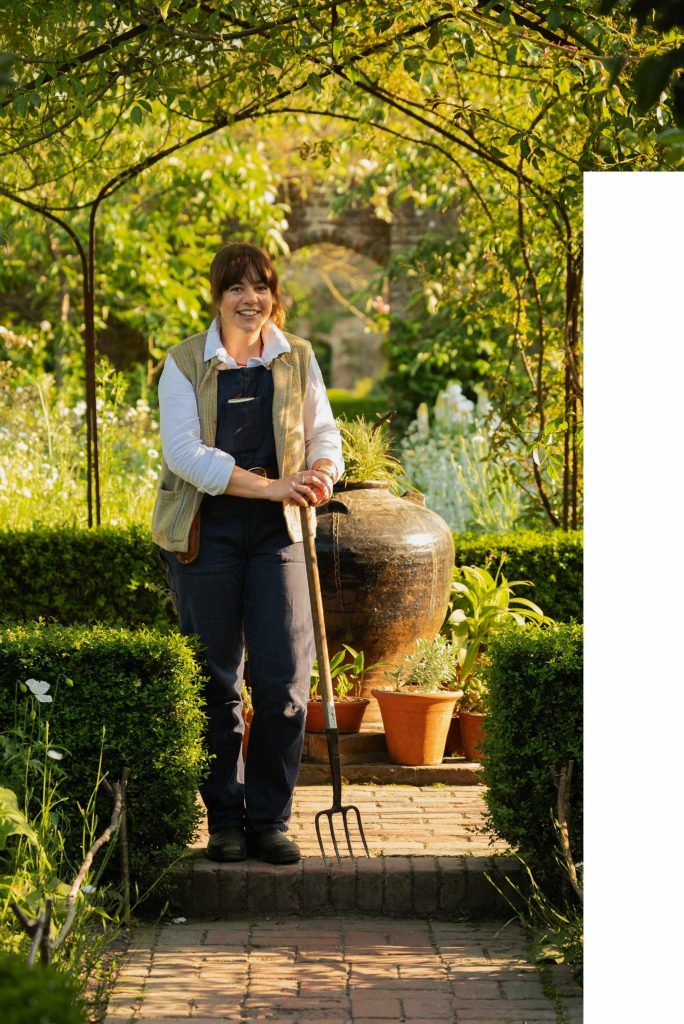
At its core, gardening is much more than the act of sowing seeds and harvesting; it embodies profound lessons in acceptance and adaptability. By perceiving challenges as opportunities, one can discover the beauty within imperfection. Each day in the garden offers unexpected surprises, transforming potential setbacks into exciting learning opportunities, and making every moment spent with soil, seeds, and plants a chance to engage with nature’s unpredictable artistry.
DIVE DEEPER: Click here to discover valuable resources
Nature’s Canvas: The Role of Challenges in Gardening
Gardening invites enthusiasts to witness the wonderful intricacies of nature where challenges are often framed as roadblocks, yet they reveal the extraordinary beauty inherent in imperfection. Just as artists embrace the unique quirks of their materials, gardeners too learn to appreciate the character brought forth by nature’s unpredictability. These experiences provide valuable insights that can reshape our entire gardening philosophy.
The Learning Curve of Mistakes
Many seasoned gardeners will attest that their most profound lessons came from their mistakes. Whether it’s overwatering an indoor plant leading to soggy roots or miscalculating the sunlight needs of a particular flower, every misstep teaches us invaluable lessons. Here are a few common challenges that many gardeners encounter:
- Pest Control: The presence of pests can devastate a thriving garden; however, these nuisances often lead gardeners to discover natural solutions. For instance, introducing ladybugs can serve as an organic method to combat aphid infestations.
- Soil Quality: Inadequate soil can hinder growth. This struggle may urge gardeners to delve deeper into soil testing and amendment, fostering a profound appreciation for soil health as the foundation of a vibrant garden.
- Climate Adaptation: Shifts in climate can impact plant growth unpredictably. Succeeding in gardening often means becoming a skilled observer, adjusting planting times, and exploring more heat-resistant or drought-tolerant varieties.
These moments of trial can catalyze exciting adaptations. For example, a gardener may find that a particular herb thrives in a less ideal location, inspiring a new design for future plant selections. The ability to pivot when faced with gardening hurdles cultivates an adaptive mindset that mirrors resilience in life outside the garden.
Community Connectivity Through Imperfections
Gardening can also forge a sense of community through shared experiences of imperfection. Local gardening clubs and online forums frequently discuss the struggles they face, and the shared tips on overcoming them lead to a deeper connection among enthusiasts. When gardeners express their failed attempts—be it a wilting rose or a blighted tomato plant—others often respond with empathy and advice, reminding us that gardening is rarely a solitary journey.
Such dialogues cultivate a sense of belonging where imperfections become shared narratives. Each quirky zucchini or erratic flower shape tells a story of an experiment gone awry, yet those very stories become cherished memories. Ultimately, it is these imperfect experiences that connect gardeners, creating bonds that grow stronger with every resilient seed sown.
The Quest for Diversity
One of the beauties of embracing imperfection is the adventure of diversity. Imperfect plants, whether due to natural mutation or less-than-ideal conditions, offer a variety of colors, shapes, and sizes that wouldn’t exist otherwise. This diversity enhances not just the aesthetic but also biodiversity in local ecosystems, fostering food webs that can support a wider range of species, both flora and fauna. By incorporating unique plants or heirloom varieties that might not look ‘perfect,’ gardeners contribute to the conservation of genetic diversity.
In a world that often imposes high standards, embracing the beauty in imperfection through gardening encourages a refreshing perspective. With every bend, bloom, and unexpected yield, gardeners discover that challenges are not just obstacles but gateways to creativity and connection. As we navigate these learning curves, we find that the journey is just as fulfilling as the end result.
| Advantages | Surprising Outcomes |
|---|---|
| Emotional Resilience | Gardening teaches adaptability, allowing gardeners to embrace challenges, such as dealing with pests or weather issues. |
| Biodiversity Appreciation | Encountering diverse plant struggles helps illustrate nature’s complexity and the interdependence of organisms. |
| Creativity and Innovation | The imperfections in gardening often spark unique solutions, leading to innovative designs and gardening techniques. |
| Community Building | Sharing experiences of imperfection fosters connections within gardening communities, promoting collaborative problem-solving. |
In the world of gardening, confronting challenges allows individuals to experience growth—both literally and metaphorically. These advantages not only enhance the gardening experience but also yield surprising results that can transform one’s perspective on nature and personal dedication. The journey is as significant as the outcomes, making each struggle a celebration of resilience and creativity.
DISCOVER MORE: Click here to enhance your gardening skills
The Symphony of Seasonal Changes
Another fundamental aspect of gardening that highlights the beauty in imperfection is the ever-evolving nature of the seasons. Each season presents its own set of challenges and opportunities, offering gardeners the chance to engage with the land in unique ways. Spring brings the promise of new life but also the unpredictable threat of late frosts, while autumn serves as a reminder of decay and renewal as plants prepare for the winter dormancy. These seasonal shifts invite reflection and adaptation, reinforcing the idea that beauty often arises from transition.
Seasonal Adjustments and Resilience
For instance, gardeners in the Midwest may have to contend with the rapid temperature fluctuations typical of spring. This unpredictability often leads to creative solutions—covering tender seedlings with cloches or planting cold-hardy varieties that can withstand those chilly spells. Such adjustments not only save crops but also deepen our appreciation for the resilience of nature. With every frostbite leaf or prematurely wilted flower, there lies the potential for new growth and the lessons of survival.
Similar challenges emerge in summer when gardeners face heatwaves, droughts, and the relentless advance of invasive species. While these circumstances can be daunting, they also encourage gardeners to experiment with xeriscaping techniques, incorporating drought-resistant plants into their landscape. This not only saves water but fosters a greater awareness of environmental stewardship and sustainability. By choosing to prioritize biodiversity through these adaptations, gardeners cultivate more than just beauty— they create thriving ecosystems.
Connecting with the Cycles of Life
Moreover, the cyclical nature of gardening serves as a profound metaphor for life itself. Just as plants have their periods of growth, dormancy, and revival, so too do we experience our ebbs and flows. Little victories, such as witnessing the first bloom of a perennial after a long winter, become reminders of perseverance. These moments of joy shine through imperfections, revealing that true beauty often lies in the journey rather than the outcome.
Sharing the Journey: Influencing Future Generations
The challenges of gardening also present an opportunity for intergenerational connection. When seasoned gardeners share their experiences—warts and all—with younger enthusiasts, they impart wisdom that challenges the notion of perfection. Children who might initially be deterred by the sight of pest-riddled plants can learn to celebrate biodiversity and view nature through a lens of curiosity rather than criticism. This transmission of knowledge fosters a culture of resilience and adaptability, positioning future gardeners to embrace imperfections in their own journeys.
Additionally, many communities are adopting urban gardening initiatives that highlight local, imperfect produce. By organizing farmers’ markets that prioritize “ugly” vegetables—those quirky cucumbers or bumpy tomatoes—communities encourage a growing movement against food waste. Such initiatives not only challenge societal perceptions of perfection but also inspire creativity in the kitchen, as chefs explore unique flavors and textures otherwise overshadowed by conventional aesthetics.
Ultimately, by inviting the unexpected into our gardens, we open ourselves up to a world brimming with possibilities. Each imperfect blossom offers a new perspective, underscoring the notion that what we often deem flaws are merely facets of a larger narrative, one that we navigate with every seed sown, every weed pulled, and every lesson learned. This multifaceted relationship with our gardens keeps us grounded, reminding us that beauty is often imperfect, complex, and truly alive.
LEARN MORE: Click here to enhance your gardening skills
Embracing the Unexpected: A Journey Through Gardening
In conclusion, the art of gardening is an invitation to find beauty in imperfection, transforming challenges into moments of discovery and growth. Each encounter with the unpredictable elements of nature—a late frost, an unrelenting drought, or the stubborn encroachment of pests—teaches us valuable lessons about resilience and adaptation. As we cultivate our gardens, we not only nourish the soil but also nurture a deeper understanding of life’s inherent complexities.
Moreover, gardening mirrors our own experiences, capturing cycles of triumph and setback. The journey is not solely about achieving a perfectly manicured landscape; it’s about appreciating the lessons offered by each wilting leaf and unexpected bloom. As we celebrate our little victories, such as the emergence of a long-awaited flower or the joy of sharing a unique harvest, we embrace the notion that true beauty lies in the process of growth and transformation.
By fostering connections across generations and communities, we redefine societal perceptions of beauty, encouraging a culture that values diversity in both nature and artistry. Urban gardening initiatives that champion “ugly” produce exemplify this shift, inspiring innovative culinary approaches and reducing food waste. Ultimately, the challenges presented in gardening reveal a world brimming with possibilities—a place where imperfections are not just accepted but celebrated as integral parts of a larger story.
As you venture into your own gardening journey, allow yourself to explore the unexpected and revel in the surprises that arise. Remember that every seed sown is a testament to possibility, and in every imperfection lies a chance for discovery. Thus, let your garden reflect not only vibrant life but also the beautiful tapestry of experience that comes from embracing imperfection.

Linda Carter
Linda Carter is a writer and growth mindset specialist with expertise in cognitive development and resilience training. With extensive experience helping individuals transform limiting beliefs and unlock their potential, she shares practical mindset strategies on our platform. Her goal is to empower readers with science-backed techniques to cultivate adaptability, embrace challenges, and achieve continuous personal and professional growth.