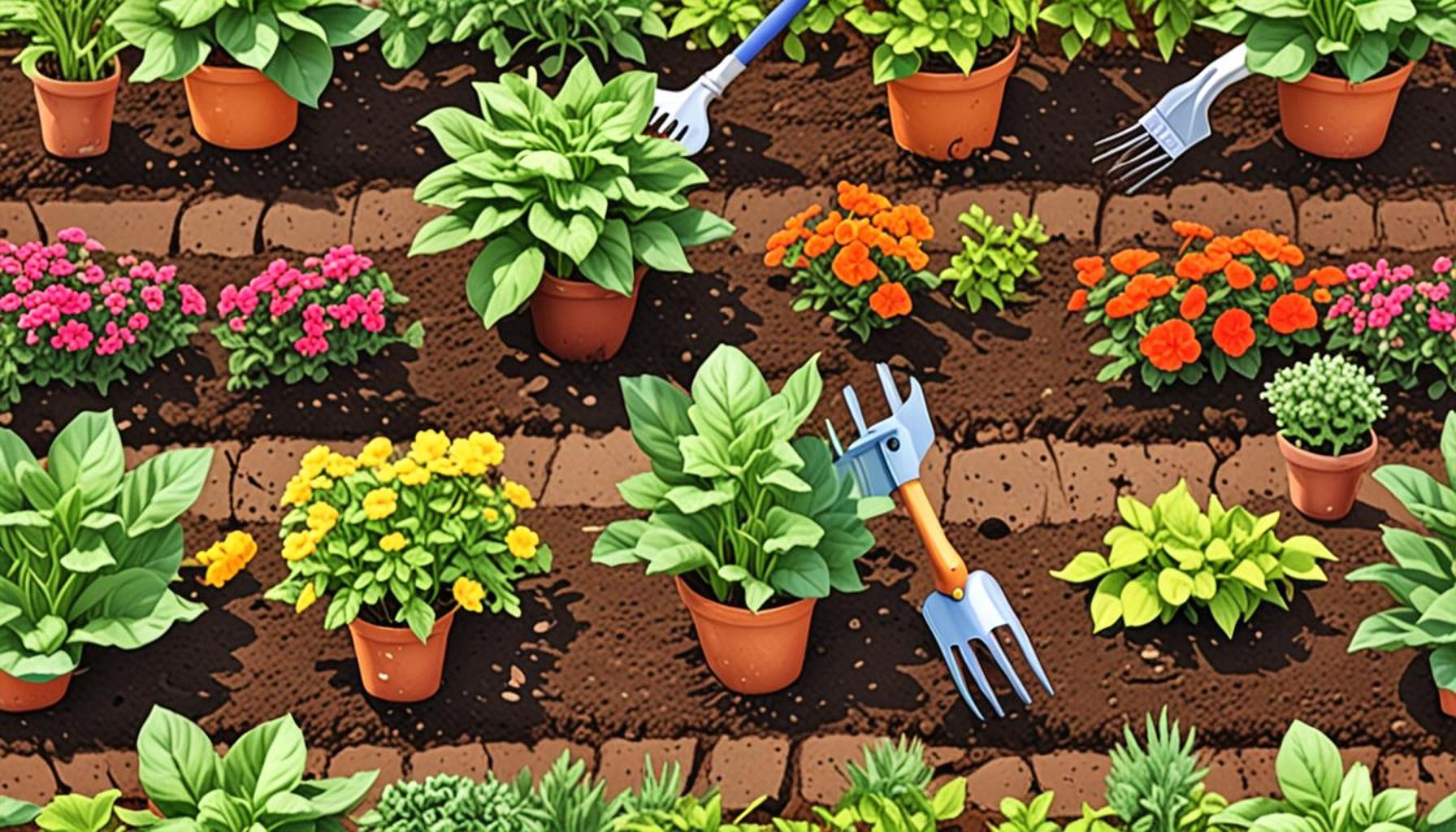
The Cycle of Life: Learning to Accept and Face the Natural Challenges of Gardening

Understanding the Essence of Gardening
Gardening is more than just a hobby; it’s a dynamic journey that reflects the intricate cycle of life. Each seed planted is a promise of growth, but with it comes a multitude of natural challenges. As gardeners, we learn to embrace the unexpected, using it as an opportunity for growth and reflection. This profound connection to nature fosters a deep understanding of the world around us, ultimately enriching our lives.
Natural Challenges in Gardening
From battling pests to grappling with unpredictable weather patterns, the gardening experience is a constant dance with nature. Here are some of the challenges that many gardeners face:
- Pests: Insects such as aphids and spider mites can wreak havoc on newly sprouted plants, often requiring a careful balance between employing pest control measures and maintaining ecological harmony. For example, introducing beneficial insects like ladybugs can naturally decrease pest populations while promoting a healthy garden ecosystem.
- Drought: Prolonged periods of minimal rainfall can threaten the survival of your garden. In the United States, regions experiencing droughts demand the implementation of water-conserving practices, such as using drip irrigation or selecting drought-resistant plant varieties like succulents and native perennials that require less water.
- Frost: Unseasonable cold snaps can damage tender shoots and established plants alike. Knowing how to protect plants with frost blankets or even moving potted plants indoors can mean the difference between a thriving garden and one decimated by an unexpected freeze.
- Soil Health: Ensuring the right nutrients for plants can be a never-ending task. Healthy soil is the foundation of successful gardening, making it essential to regularly test and amend soil as needed, incorporating compost, organic matter, and other soil-enriching products to foster a rich environment for plants.
Each of these challenges serves as a lesson in resilience and adaptation. By understanding and accepting them, we cultivate not only our gardens but also our patience and connection to nature. Over time, gardeners develop a deeper appreciation for the delicate balance of ecosystems.
The Gardener’s Mindset
Gardening encourages us to accept the impermanence of life. Planting seeds is an act of faith in the future, one that underscores the cycles of life, death, and rebirth. It teaches invaluable lessons about nurturing—both in the sense of plants and in our relationships—patience as we wait for our efforts to bear fruit, and the beauty that can arise from cycles of growth and decay. Observing the gradual changes in our gardens reminds us that time is an essential component of any journey. It fosters an appreciation for the small victories, whether it’s the first bloom of spring or the rich harvest at the end of summer. As we engage in the act of gardening, we become not only caregivers to our plants but also stewards of our well-being, cultivating a sanctuary for ourselves amid the fast-paced rhythm of modern life.
In exploring the art of gardening, we’re prompted to look deeper into our sustainability practices and our contributions to local ecosystems. The cultivation of a garden can lead not only to personal fulfillment but also a greater awareness of environmental stewardship, all while providing fresh and vibrant produce for our kitchens. The journey of gardening becomes not just a growing narrative on the land, but also a significant chapter in the story of our lives.

DISCOVER MORE: Click here to enhance your gardening skills</p
Navigating the Trials of Nature
As we delve deeper into the cycle of life that gardening embodies, we quickly realize that the challenges we face are essential components of this journey. Each season brings its unique set of hurdles, compelling us to adapt and learn from the natural world in ways we may not have anticipated. Understanding these challenges is crucial for any gardener looking to cultivate not only a thriving garden but also a deeper connection to the rhythms of nature.
Embracing Seasonal Changes
The seasons play a pivotal role in gardening, dictating growth patterns and influencing the overall health of our plants. With each change, we are reminded that nothing in the garden is static. The arrival of spring heralds renewal and potential, yet it also brings the risk of late frosts. By arming ourselves with knowledge about local climate variations and typical frost dates, we can better prepare our gardens for these sudden shifts.
Summer, while often associated with lush growth and vibrant blooms, presents challenges as well, such as extreme heat and invasive weeds. Gardeners must stay vigilant, adjusting watering techniques and practicing weed management strategies to protect their plants. Adopting measures like mulch application can help retain soil moisture and reduce the competition posed by weeds.
As autumn approaches, the focus shifts to harvesting and preparing the garden for winter. This period is often bittersweet; we come to terms with the impermanence of success while setting the stage for future planting. Instead of simply pulling up spent plants, we must consider how to maintain soil health for the next growing season, an act that reflects the cycle of decay and renewal.
Understanding Pests and Diseases
The presence of pests and diseases can be daunting for any gardener. However, understanding their role in the ecosystem can transform our perspective. Instead of viewing these issues as mere nuisances, we can consider them as critical players in the balance of nature. For instance, obtaining knowledge about pest life cycles and natural predators allows gardeners to implement targeted strategies that safeguard their plants while promoting biodiversity.
Common garden pests include:
- Slugs and Snails: These moisture-loving critters can quickly decimate tender foliage, but barriers like copper tape and strategic plant placement can mitigate their impact.
- Rust and Mildew: Fungal diseases thrive in damp conditions, emphasizing the need for proper air circulation and mindful watering practices.
- Japanese Beetles: Known for their voracious appetite, these insects can be managed using traps and companion planting techniques that deter them.
Each experience with pests or diseases offers valuable lessons in vigilance and proactive care, aligning perfectly with the broader philosophy of gardening as a journey of discovery. By recognizing that trials are integral to our growth as gardeners, we enhance our understanding of ecological interconnectivity and the symbiotic relationships within our gardens.
| Category | Benefits |
|---|---|
| Natural Resilience | Gardening fosters a deep understanding of resilience, enabling enthusiasts to adapt to and embrace changes. |
| Soil Health | Healthy soil promotes robust plant growth, ensuring a sustainable ecosystem that nurtures various life forms. |
| Biodiversity | Encouraging a diverse range of plants attracts beneficial insects, enhancing the overall health of the garden. |
| Seasonal Awareness | Understanding seasons allows gardeners to plan effectively, maximizing growth potential and minimizing stress on plants. |
As we delve deeper into “The Cycle of Life: Learning to Accept and Face the Natural Challenges of Gardening,” it’s crucial to appreciate the intricate connections between the gardener and the ecosystem. The journey of nurturing a garden is marked by the continuous dance of life, death, and rebirth. This dynamic relationship propels individuals to confront natural obstacles head-on, fostering not just their gardening skills but also their emotional well-being.The concept of natural resilience is particularly pivotal. When gardeners face challenges like pests or disease, they learn to adapt their strategies, understanding that these setbacks are part of a larger cycle of life. This understanding nurtures a sense of acceptance, paving the way for a persistent and patient approach to gardening.Additionally, the focus on soil health emphasizes the essential role that a nutrient-rich foundation plays in sustainable gardening practices. Enthusiasts come to recognize that a thriving ecosystem starts from the ground up, further inviting curious minds to explore methods such as composting and mulching which can enhance this crucial aspect of gardening.Incorporating biodiversity leads to healthier gardens by attracting beneficial insects while minimizing the reliance on chemical fertilizers and pesticides. This paradigm shift not only enriches the garden but elevates the gardener’s understanding of ecological balance.Moreover, a keen awareness of seasonal changes allows gardeners to anticipate and prepare for the natural ebb and flow of garden life. This proactive mindset cultivates a deeper appreciation for nature’s rhythms, fueling enthusiasm as they plant, nurture, and harvest through the seasons. In essence, gardening offers a profound lesson in engaging with nature’s challenges, fostering growth, and ultimately revealing the beauty of life’s cycles.
DISCOVER MORE: Click here to find out how to build a sustainable garden
Harvesting Wisdom from Setbacks
Another facet of the cycle of life in gardening lies in the inevitable setbacks that arise. Every gardener, from novice to seasoned veteran, can recount tales of plants that didn’t thrive, unexpected weather events, or crops that failed spectacularly. These challenges, while sometimes disheartening, are opportunities for invaluable learning and reflection. As gardeners, we develop resilience, adapting our techniques and mentalities in the face of adversity.
Soil Health: The Foundation of Resilience
One of the primary reasons for a garden’s success or failure is soil quality. Many gardeners underestimate the impact of soil health on plant vitality. Healthy soil is alive with microorganisms and nutrient-rich organic matter. By regularly incorporating compost and practicing crop rotation, we can enhance the soil ecosystem, making it more resilient to pests and diseases.
Moreover, soil testing emerges as a crucial step for informed gardening. Home testing kits are readily available and can determine pH levels and nutrient content, guiding decisions about amendments or fertilizers. Understanding how to amend soils with elements like nitrogen, phosphorus, and potassium ensures that we cater to the specific needs of our plants, minimizing the risk of failure due to nutrient deficiencies.
Forging Connections with Nature
Gardening is a dance of interdependence—a relationship between ourselves, our plants, and the wider ecosystem. Establishing a connection with local wildlife can do wonders for garden health. For instance, attracting beneficial insects like ladybugs and honeybees can bolster the ecological framework supporting our plants. Companion planting, or strategically placing plants that benefit each other near one another, can enhance yields and provide natural pest control.
For example, planting marigolds alongside vegetables not only beautifies the garden but also serves to repel nematodes and aphids. Similarly, intercropping legumes with grains can help fix nitrogen levels in the soil, aiding both plants’ growth. By actively choosing to foster these relationships, gardeners can resonate more deeply with the principles of ecosystem dynamics, promoting sustainability and biodiversity.
Mindfulness and Patience
Cultivating a garden is as much about nurturing the soul as it is about tending to plants. Gardening invites a sense of mindfulness, allowing us to slow down and appreciate the small changes that unfold over time. Practicing patience while waiting for seeds to germinate or for flowers to bloom can translate into a deeper appreciation for the natural rhythms of life. This experience teaches us that growth—both in nature and ourselves—can be incremental and requires time.
Those initial frustrations—tangled weeds or wilting plants—can transform into lessons about letting go and accepting the unpredictability of nature. Each setback reinforces the concept that gardening is not merely about the end harvest but rather about the moments of growth, learning, and connection with the earth.
In embracing both the challenges and victories in our gardening journeys, we become active participants in the cycle of life. The process fosters deeper awareness of the interconnectedness within our gardens and beyond, allowing us to find beauty and wisdom in every twist and turn that nature presents.
Embracing the Journey of Gardening
In conclusion, the cycle of life in gardening extends far beyond the act of planting and harvesting; it encompasses a holistic journey filled with learning, adaptation, and connection. Every setback—from pest infestations to unfavorable weather—serves as a chapter in our unique stories as gardeners, prompting us to grow not just our plants but also our resilience and understanding of nature’s delicate balance.
The importance of soil health cannot be overstated; nurturing this foundation fosters thriving gardens and underscores the symbiotic relationships we engage in with the ecosystem. By observing the patterns and rhythms of growth, we cultivate patience and mindfulness, essential attributes not only in gardening but also in our daily lives. The practice of gardening becomes a metaphor for life’s challenges—requiring persistence, creativity, and an openness to learn from every experience.
Moreover, as we establish profound connections with nature, we become more attuned to the intricate web of life around us. The beauty of gardening lies in its capacity to foster these relationships, granting us insights into environmental stewardship and the importance of biodiversity. As we face the natural challenges of gardening, we ultimately cultivate a deeper appreciation for the world we inhabit.
As we embrace our individual journeys, let us recognize that the true essence of gardening is not merely in the produce we yield but in the lessons learned and the mindful moments experienced along the way. Armed with this understanding, we can approach our gardens—and indeed, our lives—with renewed enthusiasm and resilience, flourishing through every season.

Linda Carter
Linda Carter is a writer and growth mindset specialist with expertise in cognitive development and resilience training. With extensive experience helping individuals transform limiting beliefs and unlock their potential, she shares practical mindset strategies on our platform. Her goal is to empower readers with science-backed techniques to cultivate adaptability, embrace challenges, and achieve continuous personal and professional growth.