How Gardening Can Be a Tool for Developing Problem-Solving Skills
The Creative Potential of Gardening
Gardening is often viewed as a mere hobby or a means of enhancing one’s outdoor space. However, it holds untapped potential as a dynamic tool for developing problem-solving skills in individuals of all ages. When delving into the intricacies of nurturing living plants, people engage in a complex interplay of trial and error, creativity, and analytical thinking. This hands-on experience not only promotes an appreciation for nature but also encourages innovative thinking that can be applied in various life situations.
Several key aspects of gardening highlight how it cultivates vital skills:
- Planning and Organization: Successful gardening begins with a well-thought-out plan. Gardeners must consider their space carefully, deciding on the most effective layout while choosing the right plants based on seasonal cycles and local climate. For instance, can you imagine the strategic thinking involved in planning a vegetable garden? A gardener might plant tomatoes and basil together due to their complementary growth patterns, mirroring organizational skills applicable in architecture or project management.
- Resource Management: Effective gardening requires an understanding of resource allocation. Consider how gardeners manage water, manipulate soil quality, and optimize sunlight exposure. For example, homeowners in southern California often must install drip irrigation systems to conserve water while ensuring their gardens thrive. This embraces energy efficiency, echoing the economy of resource management found in businesses and environmental science.
- Adapting to Challenges: All gardeners face unexpected hurdles such as weather fluctuations, pest infestations, or diseases that may threaten plants. Adaptability is crucial; a gardener might decide to implement organic pest control measures or switch to hardier plant varieties as a reaction to environmental changes. This mirrors the adaptability required in fast-paced work environments where businesses must pivot strategies to succeed.
The growth process in gardening serves as a metaphor for personal growth by instilling traits such as resilience and patience. Just as it takes time for seeds to mature, solving problems often calls for diligence and perseverance. The tactile interaction with soil and plants deepens engagement, making learning not just academic but experiential and enjoyable.
Various community initiatives, such as urban gardens and school-based horticultural programs in neighborhoods across the United States, provide concrete examples of how gardening inspires and develops these essential skills. For instance, the renowned Frida Kahlo Community Organization in Los Angeles integrates gardening into its educational curriculum, encouraging students to develop critical thinking as they nurture their crops. These initiatives demonstrate that gardening can indeed be a sanctuary for creativity and cognitive development.
In summary, the act of tending to a garden is more than just nurturing plants; it is an enriching experience that equips individuals with problem-solving tools, instills patience, and enhances the creativity that can be applied in diverse areas of life. Whether in personal gardens or community projects, individuals engaged in gardening may discover new depths of their potential while reconnecting with nature.
DIVE DEEPER: Click here for tips on boosting plant health
Harnessing Creativity Through Garden Design
The art of garden design invites individuals to tap into their creativity, as it requires thoughtful consideration of both aesthetic and functional elements. When embarking on a gardening project, one must balance visual appeal with practical considerations, culminating in a space that is not only beautiful but also thriving with life. This process fosters creative problem-solving skills as gardeners are continually challenged to innovate and optimize their designs. For instance, a gardener may decide to incorporate vertical gardening techniques in a limited space, such as utilizing wall-mounted planter boxes or trellises to maximize productivity. This kind of imaginative thinking mirrors the creativity required in fields like engineering, design, and urban planning.
Furthermore, the journey of gardening involves experimentation. Every gardener knows that not every approach yields success on the first try. Experimentation teaches individuals how to approach a problem from various angles, promoting adaptability in their thought processes. For example, a novice gardener might struggle with poor soil quality. Instead of giving up, they might test different soil amendments such as compost or mulch, reflecting a scientific method of hypothesis testing and iteration. This iterative process not only leads to improved outcomes in the garden but also fosters confidence and resilience in troubleshooting problems in everyday life.
Practical Lessons in Resilience and Responsibility
As any gardener will tell you, patience and resilience are crucial traits nurtured through gardening. Waiting for seeds to germinate or for plants to mature into harvestable produce requires a level of persistence that can shape one’s approach to life’s challenges. Gardeners must learn to celebrate small victories, such as the sight of budding flowers or ripe vegetables, while also addressing inevitable setbacks, like crop failures or pest infestations. These experiences cultivate a growth mindset: the understanding that setbacks can provide valuable lessons and opportunities for improvement.
Gardening can also carry significant lessons in responsibility. When entrusted with the care of living plants, individuals learn the importance of consistency and follow-through. Whether it’s watering, weeding, or ensuring adequate sunlight, each task requires dedication. This sense of responsibility extends beyond the garden, as individuals may find themselves applying these concepts of care and commitment within their personal and professional lives.
- Fostering Creativity: Designing unique layouts and plant combinations.
- Building Confidence: Experimenting with new techniques and learning from failures.
- Encouraging Patience: Recognizing that growth takes time, both in gardens and in life.
In essence, gardening transcends being merely a physical activity; it serves as a platform for developing critical problem-solving skills that enhance personal growth. As individuals cultivate their gardens, they are simultaneously cultivating a mindset full of curiosity and resilience that can enrich their everyday experiences and improve their capabilities in a variety of contexts.
Gardening is not just a delightful pastime; it’s also a profound educational tool that cultivates problem-solving skills in individuals of all ages. In the garden, challenges arise naturally—be it pest infestations, unpredictable weather, or soil deficiencies. Each obstacle presents an opportunity to devise solutions, fostering critical and creative thinking. For instance, a sudden blistering heat might prompt a gardener to reassess their irrigation techniques, leading to innovative methods for conserving water while maintaining plant health.Furthermore, gardening encourages experimentation. When a crop fails to thrive, it invites questions: Was it the soil type? The amount of sunlight? Such inquiries require gardeners to hypothesize, test, and analyze results. This hands-on approach not only strengthens analytical skills but also nurtures resilience, as they learn to adapt strategies based on outcomes.Additionally, collaborating on gardening projects can enhance teamwork and communication skills. Whether planning a community garden or maintaining a family plot, participants must discuss ideas, share responsibilities, and address conflicts collectively. This interaction naturally cultivates empathy and negotiation, essential components of effective problem-solving.In essence, gardening provides a rich canvas for developing critical skills, making it more than just a hobby—it’s a practical educational experience that prepares individuals to tackle real-world challenges with confidence. Curious to explore how gardening can enhance your problem-solving abilities? You might just find your next great idea growing in the soil. Now, let’s dive into a structured exploration of the advantages of gardening for problem-solving through the following table:
| Category | Benefits |
|---|---|
| Critical Thinking | Gardening requires assessing situations and making informed decisions, enhancing the ability to analyze and evaluate information effectively. |
| Creativity | From designing layouts to solving problems with pest control, gardening invites innovative approaches and imaginative thinking. |
DISCOVER MORE: Click here to learn how to turn gardening challenges into valuable lessons
Environmental Awareness and Adaptation
In today’s world, where environmental challenges are increasingly prominent, gardening can cultivate not only problem-solving skills but also a sense of environmental awareness. Gardeners often find themselves needing to adapt to their local climate and ecosystems, which requires critical thinking and a hands-on approach to sustainability. For instance, gardeners may need to research drought-resistant plants or explore rainwater harvesting techniques to conserve water. These efforts not only enhance their knowledge of ecosystems but also foster innovative solutions that can contribute to environmental conservation efforts.
Understanding the environmental impact of gardening practices presents unique challenges. Gardeners must navigate the complexities of pest management without resorting to harmful chemicals, leading them to explore organic or biodiversity-enhancing methods. By implementing companion planting—where certain plants are grown together to naturally deter pests—gardeners engage in a complex strategy that combines creativity with ecological understanding. This nurtures the ability to assess situations critically, weighing the pros and cons of different approaches, thus refining their problem-solving skills.
Collaboration and Community Building
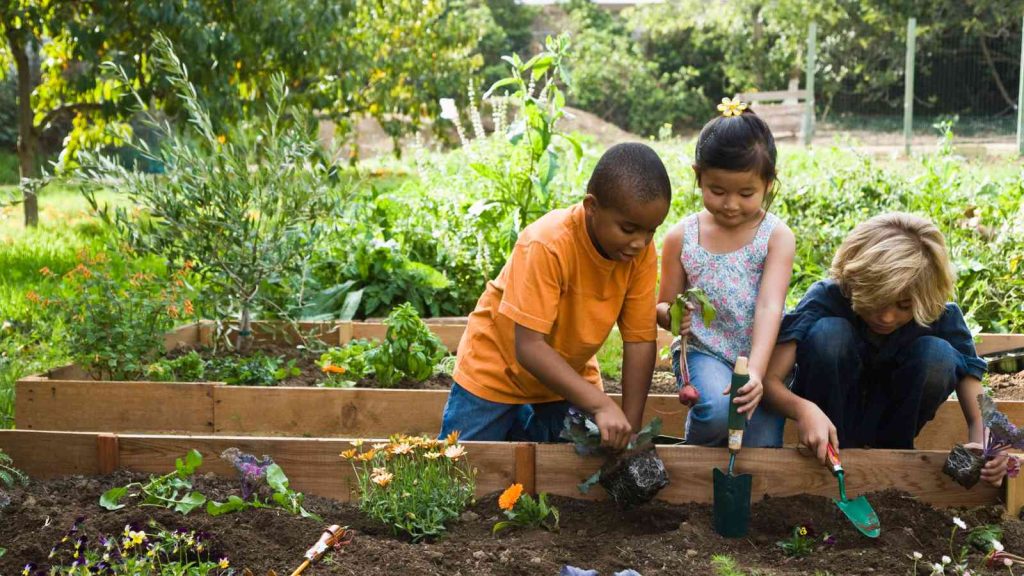
Gardening is often a communal activity, providing excellent opportunities for collaborative problem-solving. Community gardens, for example, require individuals to work together to address shared goals and overcome challenges such as limited space or diverse plant preferences. This collaboration stimulates interpersonal skills such as communication and negotiation, essential components of effective problem-solving. In community gardening projects, members frequently share expertise, troubleshoot plant health issues collectively, and develop shared strategies for garden maintenance, fostering a sense of unity and collaboration.
Moreover, participating in community gardens can expand an individual’s network, introducing them to various perspectives and approaches to gardening challenges. This broadens the horizons of potential solutions and empowers individuals to adopt new techniques that may not have previously considered. Studies show that collaborative efforts in gardening can lead to increased yields, as ideas are exchanged, and diverse planting strategies are implemented. By pooling resources and knowledge, gardeners learn to navigate obstacles more efficiently and effectively.
- Enhancing Environmental Awareness: Learning to adapt gardening practices to local ecosystems and climates.
- Fostering Community Collaboration: Working with others to overcome challenges and share expertise.
- Building Trust and Communication: Strengthening community bonds through collaborative gardening efforts.
Gardening also serves as an avenue to engage in larger discussions about food systems and sustainability. As individuals delve deeper into the implications of their gardening practices, they become more adept at recognizing challenges within the food supply chain, such as food deserts or the impact of industrial agriculture on the environment. This awareness can prompt advocates to become problem-solvers, spearheading initiatives that address these critical issues on a broader scale, further enhancing their problem-solving skill set.
DISCOVER MORE: Click here to cultivate your emotional resilience
Conclusion
In summary, gardening serves as a multifaceted platform for developing problem-solving skills that extend well beyond the garden bed. From adapting to environmental challenges and embracing sustainability practices to participating in community-focused initiatives, gardening cultivates critical thinking, collaboration, and creativity. These skills are essential not only in gardening but also in addressing larger societal issues like food security and environmental conservation.
By engaging in thoughtful gardening practices, individuals sharpen their ability to analyze situations, seek innovative solutions, and work collaboratively with diverse groups. The practical learning experiences gained from managing pests organically or experimenting with companion planting empower gardeners to make informed decisions rooted in ecological understanding. Furthermore, the communal aspect of gardening bolsters inter-personal skills, promoting trust and communication among participants.
As society faces increasing environmental challenges and changes in food systems, the role of gardening as a tool for problem-solving becomes even more vital. Individuals who immerse themselves in gardening not only reconnect with nature but also cultivate a mindset that encourages resilience and adaptability. As you dig into your own gardening journey, consider how each challenge can spark an opportunity for growth—not just for your plants, but for your mind and community as well. Ultimately, the garden serves as a living classroom, equipping individuals with the necessary tools to navigate both personal and collective challenges in today’s world.

Linda Carter
Linda Carter is a writer and growth mindset specialist with expertise in cognitive development and resilience training. With extensive experience helping individuals transform limiting beliefs and unlock their potential, she shares practical mindset strategies on our platform. Her goal is to empower readers with science-backed techniques to cultivate adaptability, embrace challenges, and achieve continuous personal and professional growth.