Cultivating a Garden of Hope: The Relationship Between Gardening and Building Resilient Communities

The Vital Role of Gardening in Strengthening Community Resilience
As communities around the United States face various challenges—including economic instability, food insecurity, and social fragmentation—finding innovative solutions has become crucial. One significant, yet often overlooked, avenue for fostering community resilience is through gardening. This age-old practice serves not only as a source of sustenance but also as a medium through which hope, unity, and collaboration can flourish.
Gardening fosters connections through:
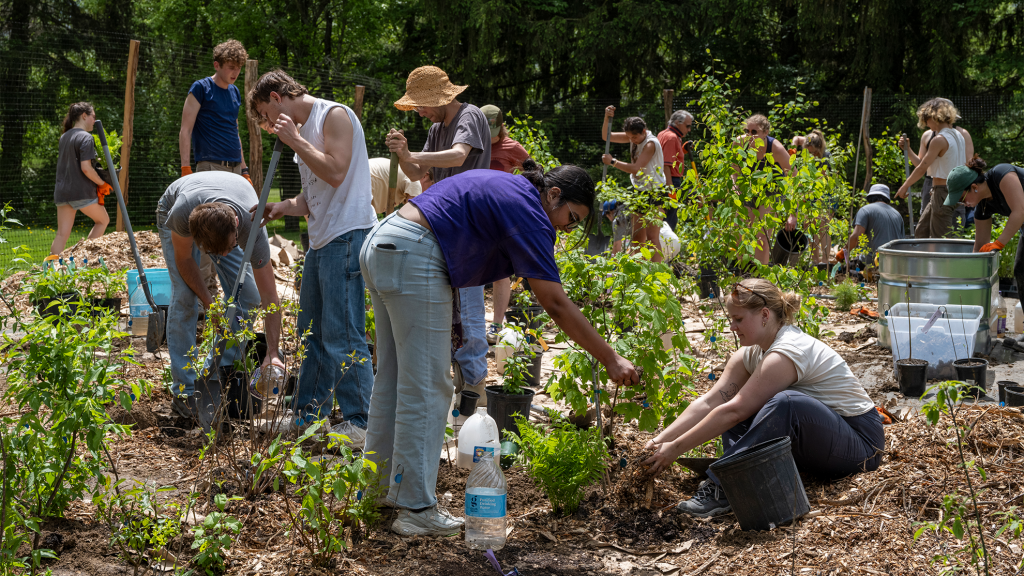
- Collaboration: Community gardens rely heavily on teamwork, bringing together local residents to work toward a shared vision. This collaboration can break down barriers of age, race, and socio-economic status, rewarding participants with a sense of accomplishment and belonging. Residents in community gardens often host events, share tips on cultivation, and celebrate harvests together, strengthening their ties with one another.
- Education: Gardening is an effective platform for teaching essential skills. Workshops on composting, organic gardening techniques, and nutrition can empower individuals and families, equipping them with the knowledge needed to achieve food self-sufficiency and security. For instance, programs across the nation, such as Grow Pittsburgh, illustrate how educational outreach can transform urban landscapes and revitalize neighborhoods through learning and engagement.
- Healing: The therapeutic effects of gardening should not be underestimated. Studies have shown that engaging in horticulture can significantly reduce stress, improve mood, and combat anxiety. Many community gardens have introduced mindfulness initiatives, where participants practice being present in the moment while tending to plants, thus enhancing their mental well-being.
Across urban and rural landscapes in the U.S., a resurgence in gardening initiatives is evident, driven by a collective desire to bolster local economies and combat the issue of food deserts. Cities like Detroit have become case studies in resilience; here, abandoned lots have been revitalized into flourishing gardens. Activists, non-profits, and community members are reclaiming these spaces for growing food, thereby fostering pride, increasing access to fresh produce, and uplifting entire neighborhoods.
The potential of gardening to build resilience reaches far beyond providing food. It has the power to:
- Strengthen social bonds: Community gardens serve as gathering places where neighbors can cultivate friendships, exchange resources, and build trust. Strong social networks contribute to better mental health and can enhance the community’s ability to respond in times of crisis.
- Boost local economies: By producing fresh produce, community gardens can stimulate local economies, supporting farmers’ markets and small businesses. The surplus produce often leads to income opportunities for local entrepreneurs, illustrating how grassroots initiatives can have broader economic impacts.
- Enhance environmental sustainability: Gardening inherently promotes biodiversity, with community gardens often embracing practices that protect the ecosystem. From promoting pollinator-friendly plants to composting organic matter, these gardens can play a vital role in local environmental health.
As we explore the intricate relationship between gardening and resilient communities, it becomes evident that cultivating gardens creates pathways not only to sustenance but also to social revival and community cohesion. Indeed, the act of planting seeds can flower into a project of hope that transforms lives—and entire neighborhoods—one garden at a time.
DISCOVER MORE: Click here to enhance your gardening skills
Cultivating Connections Through Community Gardening
The transformative power of community gardening extends beyond the simple act of planting seeds in the soil. As urban areas grapple with the challenges of isolation, economic decline, and a lack of access to healthy food, community gardens provide a sanctuary of hope and resilience. These gardens serve as vital hubs that foster connections between residents, promote sustainability, and cultivate a spirit of cooperation.
Connection through Collaboration is one of the most profound ways community gardening contributes to resilience. When individuals from diverse backgrounds unite for a common goal—growing food—they build friendships that transcend socioeconomic divides. For instance, in cities like Chicago, community gardens have successfully engaged immigrant populations, providing them with a platform to share their cultural heritage through the plants they grow. This collaboration not only strengthens local ties but also enhances community identity, as residents take pride in their collective efforts.
In addition to fostering collaboration, community gardens serve as invaluable educational platforms. They create opportunities for individuals of all ages to learn about agriculture, sustainability, and nutrition. By hosting workshops and training sessions, these gardens empower community members with knowledge that can lead to self-sufficiency. For example, the community garden initiatives in San Francisco have introduced programs focusing on organic farming practices, helping to equip participants with the skills necessary to produce healthy food while also being mindful of environmental impact.
Furthermore, community gardening can act as a form of healing for individuals facing various life challenges. Recent studies have underscored the therapeutic benefits of engaging with nature, highlighting how gardening reduces stress and alleviates symptoms of anxiety and depression. For example, initiatives like the Healing Gardens project in New York aim to support mental health through focused gardening activities, demonstrating the crucial link between personal well-being and community engagement.
The role of community gardens in combating food deserts cannot be overstated. By providing fresh produce in areas where access is severely limited, these gardens serve as critical lifelines. Residents of Philadelphia, for instance, have witnessed firsthand how urban agriculture can transform neglected spaces into thriving ecosystems that improve food accessibility, thereby significantly enhancing local nutrition and health outcomes.
Overall, community gardens play an essential role in fortifying social bonds and addressing food insecurity. They create spaces where neighbors can collaborate, learn, and grow together, thus reinforcing the foundation of resilient communities. As we delve deeper into the relationship between gardening and community resilience, it becomes clear that every garden cultivated is a step toward a more unified and sustainable future for all. The potential for positive change lies within each plant nurtured and each relationship built around the shared experience of growing food together.
| Category | Description |
|---|---|
| Social Cohesion | Gardening fosters connections among community members as they collaborate towards a common goal. |
| Mental Health Benefits | Engagement in gardening activities promotes stress relief, boosts mood, and enhances overall mental well-being. |
| Environmental Awareness | Through gardening, individuals increase their knowledge of sustainability and stewardship of natural resources. |
| Food Security | Community gardens provide a sustainable source of fresh produce, enhancing local food access and nutrition. |
Building on the relationship between gardening and resilient communities, another critical aspect is how social cohesion is cultivated. By bringing people together to share resources and knowledge, gardens form a hub for interaction, breaking down isolation and promoting a sense of belonging. This interconnectedness can lead to *stronger support networks* and enhanced community ties.Additionally, the mental health benefits associated with gardening cannot be overstated. Various studies indicate that immersion in nature significantly reduces stress, anxiety, and depression, while also reinvigorating the mind. By cultivating a garden, individuals not only reap growing rewards but also nurture their own mental health.Another pivotal area is the emphasis on environmental awareness that arises through gardening endeavors. Community members become more attuned to the importance of maintaining sustainable practices, directly influencing their neighborhoods’ ecological health.Lastly, addressing food security through community gardens shows how gardening provides essential nutrition while creating community-driven methods to eliminate food deserts. This endeavor not only addresses immediate dietary needs but also fosters an environment where individuals feel empowered to take control of their food sources.
DISCOVER MORE: Click here for essential gardening tips
Gardening as a Source of Economic Empowerment
In addition to enhancing social ties and personal well-being, community gardening can serve as a significant economic engine for neighborhoods grappling with financial instability. As communities work together to cultivate gardens, they inadvertently lay the groundwork for economic development. Local farmers’ markets, often sprouting from successful community gardens, serve not only as venues for selling produce but also as gathering spaces that foster local entrepreneurship.
An illuminating example comes from Detroit, where urban gardening initiatives have played a pivotal role in revitalizing the economy. Local residents have transformed vacant lots into flourishing gardens, selling fresh produce at markets that prioritize locally-sourced goods. This entrepreneurial spirit is particularly impactful, as it allows community members to earn an income while simultaneously providing fresh food options. Moreover, the rise of community-supported agriculture (CSA) programs has empowered residents to invest in these local gardens, fostering a sense of ownership and accountability.
Job training programs often accompany these gardening initiatives, equipping participants with skills that are transferable to various industries. Through partnerships with local organizations, gardens have become an incubator for workforce development, offering workshops on everything from food processing to small business management. For instance, the Urban Agriculture program at the University of Florida provides hands-on training in gardening methods while incorporating lessons in marketing and logistics, ensuring participants are well-prepared for future employment opportunities.
Promoting Environmental Stewardship
The relationship between gardening and building resilient communities also extends to environmental awareness. Community gardens instill a sense of stewardship toward the environment, prompting individuals to engage with and care for their surroundings. The act of gardening enables residents to connect with local ecosystems and understand the importance of biodiversity, pollinators, and sustainable practices.
In cities like Portland, Oregon, community gardens have become instrumental in promoting sustainable living habits. Initiatives like the Portland Community Gardens program encourage residents to adopt practices such as rainwater harvesting, composting, and organic gardening, showcasing the significant role that urban agriculture can play in reducing carbon footprints. Such eco-conscious approaches not only benefit the environment but also reinforce community resilience by cultivating a shared commitment to sustainability.
Youth involvement in gardening projects serves as a critical educational tool, teaching younger generations the value of environmental stewardship. Programs that engage schools and youth groups in urban gardening projects help instill a sense of responsibility for the environment. For example, the School Garden Project in Oregon empowers students to grow their own food, reinforcing the principles of sustainability and healthy eating while fostering a deeper appreciation for their local ecosystems.
The Role of Policy in Supporting Community Gardens
As the significance of community gardens becomes increasingly recognized, local and state governments are implementing policies to support these initiatives. Zoning laws are being revised to allow community gardens in various areas, providing legal recognition and protection for these green spaces. Many cities are also establishing dedicated funds to assist with the creation and maintenance of community gardens, recognizing their multifaceted benefits.
For instance, initiatives like the Urban Agriculture Initiative in New York City exemplify how tailored policies can foster community gardening. The initiative facilitates access to land, offers grants for garden projects, and provides resources for community engagement, showcasing how policy can bolster resilience and sustainability within urban landscapes. Additionally, these supportive frameworks enable residents to advocate for their gardens and ensure their longevity, further strengthening community ties.
The intertwining relationship between gardening, economic empowerment, environmental stewardship, and supportive policies underscores the vital role of community gardens in fostering resilient communities. By cultivating these green spaces, neighborhoods not only nurture plants but also harvest the potential for a thriving, interconnected future.
DISCOVER MORE: Click here to transform your gardening journey
Conclusion: Sowing the Seeds of Community Resilience
In closing, the integrative relationship between community gardening and the cultivation of resilient communities cannot be overstated. As explored throughout this article, community gardens serve as vital platforms for social connection, economic empowerment, environmental stewardship, and the development of supportive policies. These green spaces transcend mere plant cultivation; they foster a sense of belonging and shared purpose that enhances collective well-being.
Moreover, community gardens exemplify a sustainable approach to urban living, offering fresh produce as well as valuable life skills. By collaborating on gardening projects, residents not only contribute to a healthier environment but also build social networks that can uplift and support one another during adversities. The success stories from cities across the United States, such as Detroit’s urban revitalization and Portland’s sustainable practices, serve as illuminating examples of how planting seeds in communal soil can lead to flourishing neighborhoods filled with hope and opportunity.
In a time where many communities face challenges ranging from economic disparities to environmental issues, investing in community gardening initiatives presents an accessible strategy for fostering resilience. As policymakers continue to recognize the benefits of these green spaces, they hold the key to unlocking the potential within our neighborhoods, ensuring the longevity of both the gardens and the vibrant communities that grow around them. As we move forward, it is crucial for individuals, organizations, and local governments to champion the cause of community gardening, nurturing both the land and the relationships that sustain us all.

Linda Carter
Linda Carter is a writer and growth mindset specialist with expertise in cognitive development and resilience training. With extensive experience helping individuals transform limiting beliefs and unlock their potential, she shares practical mindset strategies on our platform. Her goal is to empower readers with science-backed techniques to cultivate adaptability, embrace challenges, and achieve continuous personal and professional growth.