
Creating a Growth Environment: Using Positive Reinforcement to Engage Children in Gardening
The Transformative Power of Gardening for Children
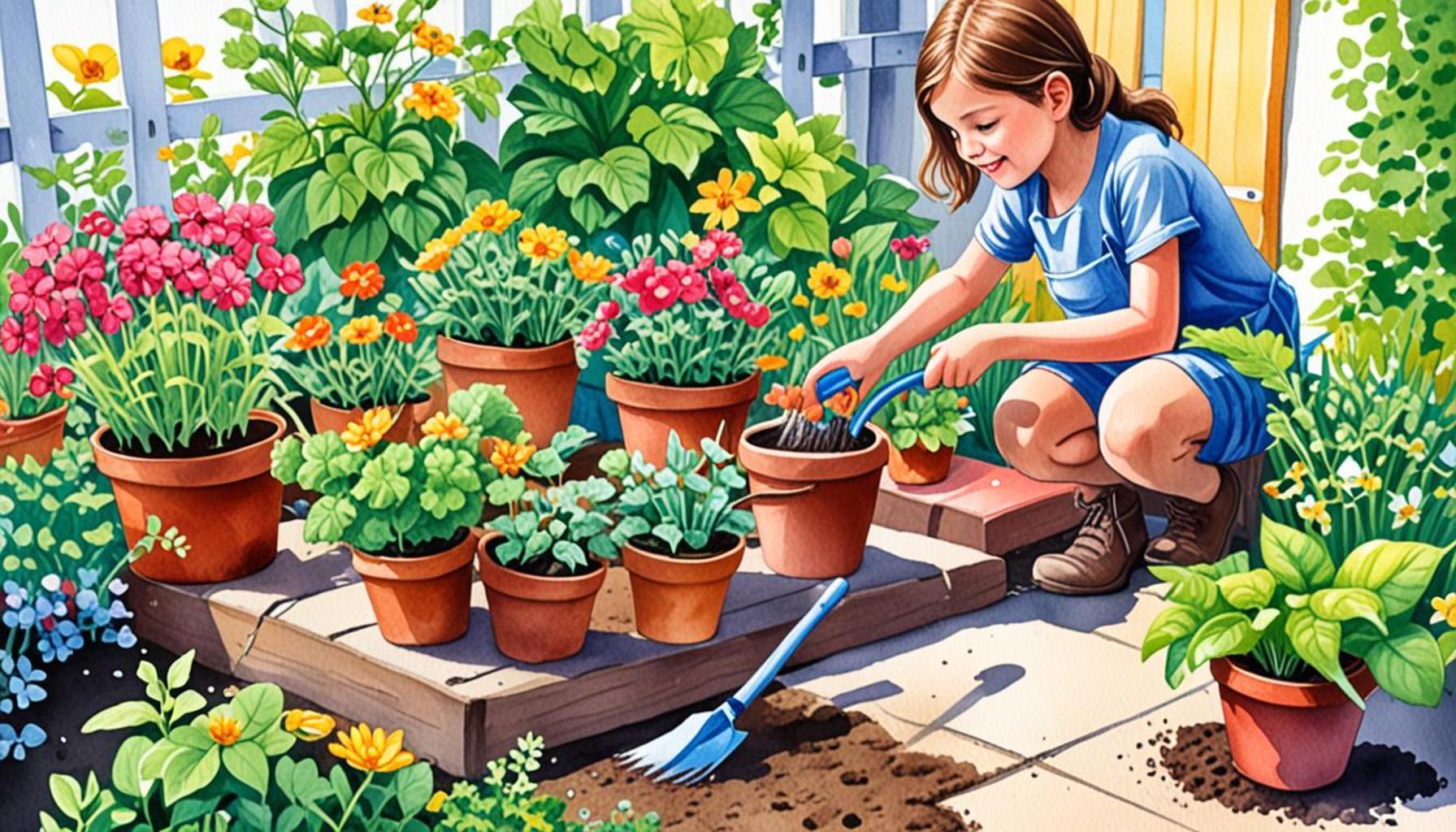
Gardening offers a unique opportunity to nurture not just plants, but also children’s growth and development. By incorporating positive reinforcement, we can cultivate a sense of curiosity and responsibility among young gardeners. This approach not only enhances their engagement but also fosters a lasting love for nature, encouraging them to develop a deeper connection to the environment around them.
So, how can we effectively create this enriching environment? Here are some essential elements:
- Encouragement: Praise their efforts, regardless of the outcome. Children can often feel discouraged when faced with failures, whether it’s a wilted plant or stunted growth. A simple acknowledgment of their hard work can motivate them to persevere.
- Small Achievements: Celebrate milestones like sprouting seeds or blooming flowers. For instance, when a child witnesses the first green shoot emerging from the soil, it can bolster their confidence and excitement. You could create a garden journal to document these moments and even include photos.
- Fun Activities: Integrate games that make gardening a delightful experience. For example, scavenger hunts in the garden can teach them about different plants and insects, while artistic crafts, like painting rocks for plant markers, can infuse creativity into gardening.
Research shows that children who are actively engaged in gardening tend to develop skills such as problem-solving, teamwork, and an appreciation for healthy eating. Scientific studies indicate that such hands-on experiences encourage cognitive development and emotional intelligence, as children learn to face challenges and collaborate with others. Notably, children who participate in gardening programs often express a preference for fruits and vegetables, directly correlating with improved nutrition.
As we delve into the benefits of creating a growth environment through positive reinforcement, we will explore practical strategies that educators and parents can implement. Community gardens, school gardening programs, and family backyard projects stand as excellent platforms. For example, the “Garden in Every School” initiative in various U.S. states has shown substantial success, providing students with the opportunity to plant vegetables, understand the fundamentals of biology, and appreciate the sources of their food.
By fostering a nurturing atmosphere, we can inspire the next generation to not only engage with gardening but also appreciate its broader implications for sustainability and well-being. With discussions around climate change and environmental issues at an all-time high, encouraging children to connect with nature becomes pivotal for developing conscientious adults who will advocate for a healthier planet.
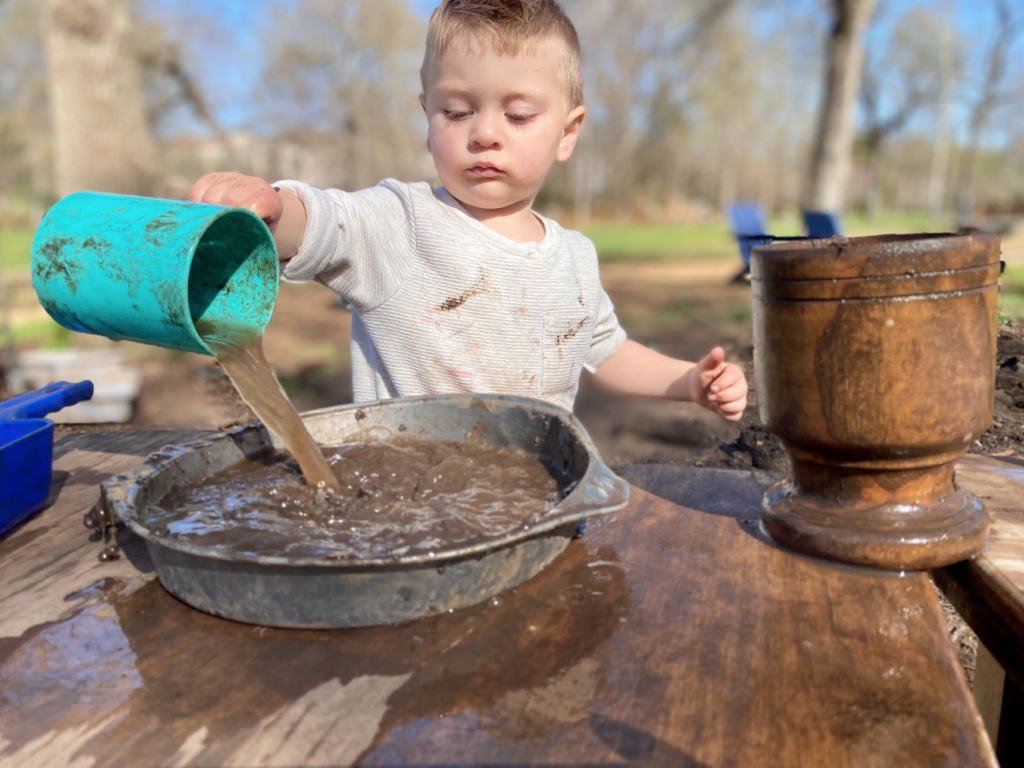
In conclusion, gardening is more than just a pastime; it’s a comprehensive tool for education and personal growth. As we further explore this, it becomes evident that the seeds we plant today may very well blossom into a future filled with environmentally responsible and health-conscious individuals.
DISCOVER MORE: Click here to learn how gardening can enhance your coping skills
Building a Foundation for Growth
The essence of creating a growth environment lies in the delicate balance between encouragement and engagement. When it comes to children and gardening, utilizing positive reinforcement is fundamental in laying this foundation. By recognizing and celebrating their efforts, we not only motivate them to try again after setbacks but also instill a sense of ownership and pride in their gardening journey.
One of the most effective methods of integrating positive reinforcement into gardening is through consistent and genuine praise. When a child diligently plants seeds, waters their garden, or even weeds out unwanted grass, acknowledging these tasks is essential. For instance, saying, “I can see how much effort you put into watering the plants today; they look healthy!” helps affirm their actions and fosters an atmosphere of positivity. This validation encourages them to develop a habit of caring for their plants, promoting a responsible mindset.
Additionally, the concept of celebrating small achievements cannot be emphasized enough. As children engage with gardening, they encounter little victories that can significantly impact their morale and interest. Regularly highlighting milestones such as seed germination, the appearance of first leaves, or the blooming of flowers fosters enthusiasm. To make this process even more meaningful, creating a garden journal can serve as a visual record, allowing children to document their progress and reflect on their gardening experiences over time.
Beyond mere acknowledgment, integrating fun and interactive activities can greatly enhance children’s motivation to participate. Here are a few ideas that bring creativity into the garden:
- Garden Journaling: Give each child their personalized journal to write about their gardening experiences and draw pictures of what they see.
- Planting Challenges: Organize friendly competitions to see who can grow the tallest sunflower or the largest tomato, providing positive feedback along the way.
- Garden Art: Allow children to express their artistic talents by creating decorations for the garden, such as painted stones or DIY wind chimes.
Research indicates that children exposed to hands-on gardening activities are more likely to develop essential life skills. These experiences cultivate problem-solving abilities, enhance teamwork, and instill an appreciation for sustainable practices. Additionally, studies reveal that kids who regularly participate in gardening are more inclined to consume fruits and vegetables, promoting healthier food choices during formative years. A profound connection to natural food sources fosters a respect for nature while supporting overall well-being.
Moreover, the rise of educational programs centered around gardening in schools and communities serves as a testament to its benefits. Programs such as “Edible Schoolyard” in California show compelling evidence of how hands-on gardening can enrich the curriculum, allowing children to learn about nutrition, biology, and the environment in a tangible way. These initiatives underscore the pivotal role of gardening in developing conscientious individuals who respect their surroundings and understand the importance of sustainable practices.
| Benefits of Positive Reinforcement | Aspects of Gardening Engagement |
|---|---|
| Encourages Consistency | Children are more likely to participate regularly in gardening activities when positive reinforcement is used. |
| Boosts Self-Esteem | Positive feedback helps children feel valued, leading to an increased interest in gardening. |
| Enhances Learning | Linking achievements in gardening with rewards fosters a more profound understanding of nature and responsibility. |
| Fosters Teamwork | Gardening projects often require collaboration, enhancing social skills and building a community feel among children. |
By cultivating a nurturing environment through positive reinforcement, we can significantly enhance children’s engagement in gardening activities. This approach not only fosters consistency but also promotes a greater sense of self-esteem and teamwork. When children feel appreciated through rewards for their gardening efforts, they develop a more profound interest in nature and collaborative projects, transforming gardening into an exciting and educational experience.
DIVE DEEPER: Click here to enhance your gardening skills
Fostering Resilience Through Hands-On Learning
In addition to creating a sense of ownership and accomplishment, engaging children in gardening through positive reinforcement also fosters resilience. Gardening is a dynamic process filled with unpredictable elements, such as weather fluctuations and pest invasions, allowing children to experience both the highs of thriving plants and the lows of failure. Through this lens, gardening offers a unique opportunity to teach children about the importance of resilience and adaptability.
By framing challenges as learning experiences, we empower children to approach problems with a growth mindset. For instance, if a seedling wilts due to overwatering, encourage discussions about what went wrong and explore solutions together. Rather than viewing failure as a setback, statements like “It’s okay; next time we can try watering less!” can inspire children to learn from their mistakes and continue their gardening journey. This approach not only builds resilience but also nurtures critical thinking and problem-solving skills.
Moreover, transitioning to a more collaborative gardening experience can spark even greater engagement among children. Introducing team-based gardening activities can cultivate a sense of community and shared responsibilities. Children working together to plant, tend to, and harvest a communal garden learn valuable social skills and the importance of cooperation. When they succeed or face setbacks together, they are more likely to support and encourage each other, creating a supportive learning environment.
Let’s take a closer look at some practical strategies for promoting collaboration in gardening:
- Group Gardening Days: Designate specific days for children to come together and work on the garden. Assign different roles—such as planting, watering, and weeding—to emphasize teamwork.
- Garden Clubs: Form garden clubs that meet regularly to discuss progress, share ideas, and plan future projects, fostering a sense of belonging and commitment among members.
- Harvest Festivals: Celebrate the harvest by hosting events where children can showcase their fruits and vegetables. This not only recognizes their hard work but creates a joyous atmosphere around their achievements.
The integration of technology can also greatly enhance children’s experience with gardening. Digital platforms and apps can assist in tracking plant growth, reminding them when to water, and providing educational content about different species. For example, gardening apps such as “Gardenize” and “Gardener’s Supply” not only offer practical tips but gamify the gardening process with reward systems for completing tasks, further reinforcing positive behaviors.
Studies reveal that children participating in community gardens or similar initiatives often exhibit increased levels of environmental stewardship, a profound understanding of the ecosystem, and even a greater commitment to social responsibility. As they witness the direct impact of their care on plant growth, children develop a strong sense of connection to their environment and the food they consume. Therefore, the combination of positive reinforcement and hands-on engagement through gardening cultivates not only budding gardeners but also conscientious and aware individuals.
Ultimately, embracing a holistic approach to gardening that incorporates positive reinforcement in all its forms—from emotional support to community involvement—paves the way for rich learning experiences. Engaging children in gardening is not merely about plants; it is a transformative journey that fosters a lifelong love of nature, cultivates enduring skills, and encourages the nurturing of future generations. The impact of a simple seed planted in the garden can yield far-reaching benefits beyond the harvest itself.
DISCOVER MORE: Click here for valuable gardening resources
Conclusion: Nurturing Growth and Understanding Through Gardening
In the journey of creating a growth environment, engaging children in gardening through positive reinforcement serves as a powerful catalyst for personal and communal development. By nurturing their interest in nature, we instill a sense of responsibility and connection to the environment that goes beyond the simple act of planting seeds. This hands-on experience cultivates essential life skills, including teamwork, problem-solving, and resilience, all framed within a context of fun and encouragement.
As children navigate through the challenges of gardening—be it weather changes or pest problems—they learn to view setbacks not as failures, but as opportunities for growth. This mindset not only builds their confidence but also reinforces critical thinking as they are prompted to explore solutions collaboratively. Additionally, the incorporation of technology and community initiatives like garden clubs and harvest festivals enriches their experiences further, fostering a sense of community and belonging.
Moreover, studies have continuously shown that children engaged in such garden-based activities develop a heightened sense of environmental stewardship and social responsibility. They become more conscious of their impact on the ecosystem and the food that nourishes them. Through positive reinforcement in the garden, we plant the seeds of awareness and compassion that can lead to a lifelong engagement with nature.
Ultimately, the implications of a simple gardening activity extend far beyond the plants themselves. It is a holistic approach that enhances emotional well-being, fosters social connections, and encourages a deeper understanding of the world around them. As we continue to embrace these opportunities, we are not merely raising gardeners; we are nurturing the scientists, environmentalists, and leaders of tomorrow.