Creating a Sustainable Garden: Overcoming Barriers in Home Food Cultivation
The Importance of Home Gardening
Home gardening is a remarkable way to enrich one’s lifestyle while promoting sustainable living. As the fabric of our food supply chain becomes more vulnerable, the shift towards growing one’s own food is gaining momentum. Across the United States, it is evident that many individuals are eager to take part in this rewarding practice. Yet, they often encounter several challenges that can deter their gardening aspirations.
Identifying Common Challenges
Understanding the specific barriers that could impede gardening efforts is essential for aspiring cultivators. The following are some common obstacles:
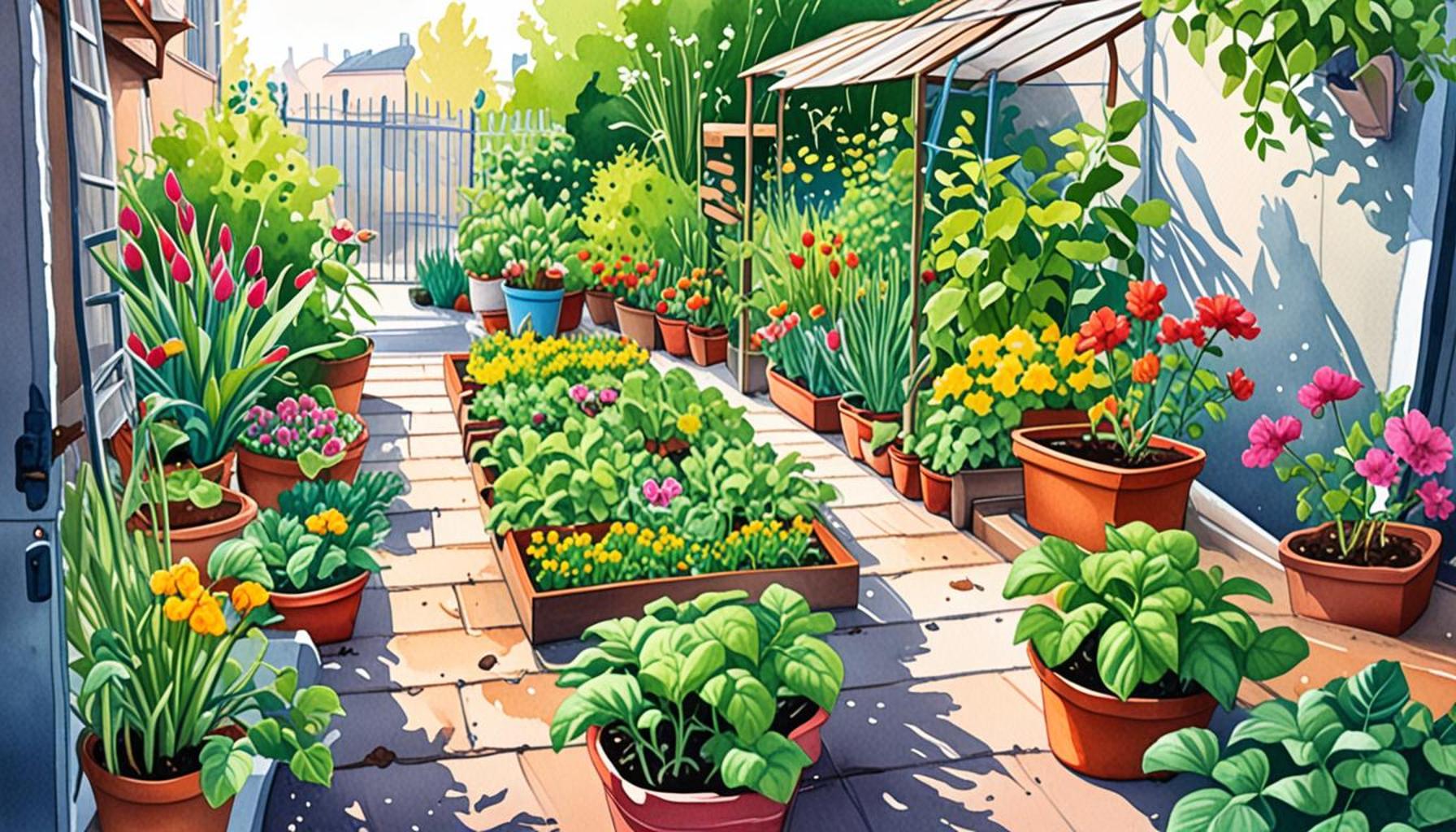
- Limited space: In urban areas, the demand for housing has led to smaller living spaces, meaning that many potential gardeners must settle for tiny backyards, balconies, or even community garden plots. However, vertical gardening and container gardening offer surprisingly effective solutions that maximize limited space.
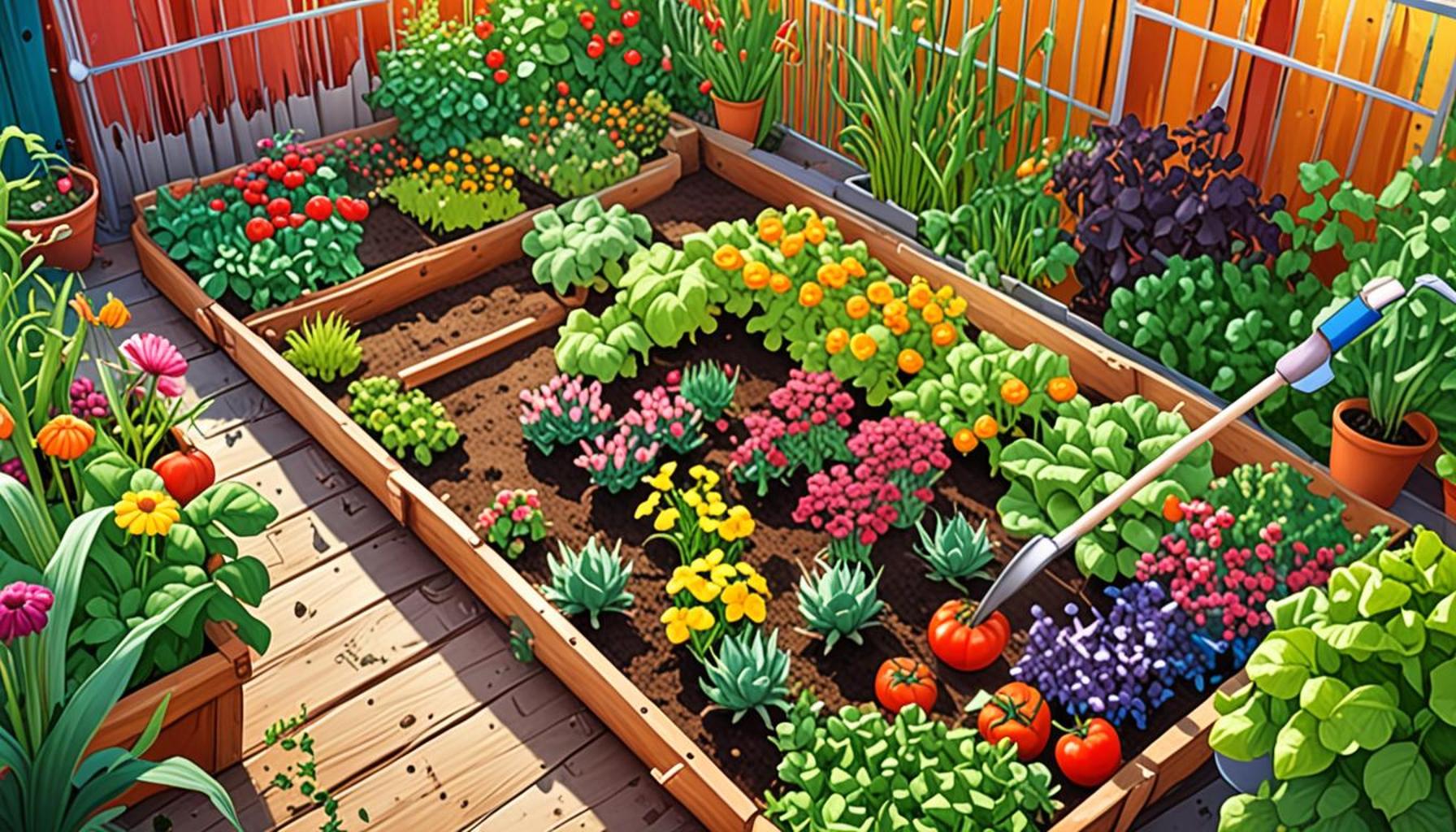
- Soil quality: Not all soil is created equal. Many gardeners discover that their native soil is compacted or contaminated. Testing soil before planting can reveal nutrient deficiencies. To combat this, raised garden beds filled with quality soil can be an excellent alternative.
- Climate variations: Each region in the U.S. has its own climate peculiarities, from the frost-laden winters of the Northeast to the arid conditions of the Southwest. Adapting to these climate extremes means choosing appropriate crops and understanding seasonal planting cycles. For example, tomatoes thrive in the warm southern states but may require season extensions in cooler northern areas.
- Water availability: Gardening requires a significant amount of water, which can be challenging in areas experiencing drought or in regions where water is scarce. Rainwater harvesting systems and drip irrigation can conserve water while ensuring plants receive the hydration they need.
The Bounty of Home Gardens
Despite the obstacles, the benefits of maintaining a sustainable home garden are numerous and compelling. Engagement in home agriculture can lead to:
- Reduced environmental impact: By eliminating the need for transportation of food from farms to grocery stores, home gardening reduces carbon footprints. Additionally, cultivating your own organic produce means reducing reliance on chemical fertilizers and pesticides that harm the environment.
- Improved health: Access to fresh vegetables and fruits allows individuals and families to enjoy nutritious, wholesome meals. Research shows that those who engage in growing their own food are more likely to consume a wider variety of healthy foods.
- Cost savings: Growing your own food can significantly reduce grocery bills, especially for high-cost items like herbs, tomatoes, and peppers. The initial investment in seeds, soil, and tools will often pay off within the first season of harvest.
In conclusion, with an eye for practical solutions and innovative gardening techniques, anyone can transform their aspirations into a growing reality. The fulfillment derived from nurturing a home garden is not just a personal achievement—it’s a fundamental step towards fostering sustainability for future generations. The journey requires commitment, but the rewards spiritually and materially are invaluable. Explore the world of gardening, and you may discover not just a hobby, but a lifestyle that enhances your well-being and contributes positively to the planet.
DISCOVER MORE: Click here to learn how to avoid common pitfalls
Innovative Solutions for Urban Gardening
In an age where urban living is more prevalent than ever, the concept of home gardening finds itself confronting unique challenges, primarily due to space constraints. However, innovative gardening techniques have emerged to help maximize limited areas, allowing individuals to cultivate their own crops despite the surroundings. Techniques such as vertical gardening and container gardening have gained popularity, making it feasible for those with petite balconies or shared community gardens to indulge in sustainable food production.
Vertical gardening transforms a wall or fence into a green tapestry, using trellises, wall planters, or even hydroponic systems to grow plants upward rather than outward. This method not only saves space but also creates an aesthetically pleasing environment, often enhancing air quality in urban settings. Container gardening opens a realm of possibilities, as a variety of edible plants can thrive in pots placed on patios, window sills, or even indoors. Popular container-friendly plants include herbs, lettuce, and cherry tomatoes, all of which can flourish in small spaces and still yield a delightful harvest.
Enhancing Soil Quality for Successful Yield
The quality of soil is another critical factor that can either impede or foster successful home gardening. Many urban dwellers encounter poor soil conditions, including compaction and contamination from past industrial usage. Testing your soil is a crucial first step. Local agricultural extensions or gardening centers often provide soil testing kits, which can help gardeners determine pH levels and nutrient content.
Once these parameters are established, various strategies can be employed to enrich the soil effectively:
- Adding organic matter: Incorporating compost or well-rotted manure can significantly improve soil structure, encourage microbial activity, and boost nutrient levels.
- Using raised beds: Constructing raised garden beds can provide a clean growing medium, which can be tailored to the specific needs of the plants being cultivated.
- Crop rotation: Alternating plant species each season can help maintain soil health, reducing pests and diseases while enhancing nutrients.
Adaptation to soil conditions not only supports plant health but also enhances the overall success of a sustainable garden. In addition, understanding the benefits of employing sustainable practices propels the endeavor toward food security, with an emphasis on organic growing methods, providing safe and delicious produce while nurturing the ecosystem.
Conquering Climate Challenges
Climate variations across the United States present yet another layer of complexity for aspiring gardeners. Each geographic region experiences different temperature ranges, humidity levels, and seasonal changes, all of which influence the types of crops that can be grown. For instance, in coastal areas known for temperate climates, gardeners can successfully cultivate crops like broccoli and kale, while those in warmer southern states may find peppers and cucumbers more suitable.
Understanding local planting calendars and climate patterns is crucial. Keeping track of frost dates, selecting heat-tolerant varieties, and implementing season extension techniques can all contribute to a bountiful garden. Moreover, investing time into educational resources such as local gardening workshops or agricultural extension programs can provide invaluable knowledge tailored to specific regions.
By recognizing and addressing these environmental factors, hopeful gardeners can transform potential setbacks into opportunities for growth, allowing sustainable gardening to flourish in even the most challenging conditions.
Creating a sustainable garden involves overcoming several barriers that can deter enthusiastic homeowners from engaging in home food cultivation. These barriers can range from environmental challenges to financial limitations, but with the right knowledge and strategies, they can certainly be managed.Firstly, climate variability often presents significant challenges. Changes in temperature and precipitation patterns can affect plant growth and yield. Home gardeners may consider using native plants that are naturally adapted to local conditions, thus requiring less maintenance and water. Utilizing organic gardening methods can also enhance soil health and resilience to climate fluctuations.Another common barrier is limited space. Many aspiring gardeners live in urban areas with limited outdoor space. Vertical gardening and container gardening offer excellent solutions, allowing individuals to maximize their growing area by utilizing walls, balconies, and small yards. These methods can produce a surprising amount of food, making them an excellent choice for urban dwellers.Additionally, knowledge and education play crucial roles in successful home food cultivation. Many people may find themselves overwhelmed by the prospect of gardening. Enrolling in local workshops or utilizing online resources can help individuals gain the skills necessary for effective gardening. Community gardens also offer a fantastic opportunity for beginner gardeners to learn from more experienced peers while fostering a spirit of collaboration and sustainability.Lastly, financial constraints can deter people from pursuing home food cultivation. However, starting a sustainable garden doesn’t have to be expensive. Utilizing seed saving practices, composting household scraps, and trading plants and seedlings with neighbors can significantly reduce costs. Moreover, investing in quality tools and resources upfront can save money in the long run, as they tend to last much longer than cheaper alternatives.By addressing these barriers—climate, space limitations, lack of knowledge, and financial constraints—individuals can unlock the abundant benefits of cultivating a sustainable garden. With the right approach, not only can one enjoy fresh, homegrown produce, but they can also contribute to environmental health and enhance biodiversity in their community. Embracing these strategies not only aids in personal sustenance but also nurtures a broader movement toward a more sustainable lifestyle.
DISCOVER MORE: Click here to enhance your garden
Water Management: The Key to Thriving Gardens
Water scarcity and inefficient irrigation practices have become pressing concerns for gardeners, particularly in drought-prone areas. As climate change continues to exacerbate these conditions, embracing sustainable water management techniques is essential for ensuring that gardens not only survive but thrive. Savvy home gardeners are adapting by implementing various strategies to conserve water while maintaining the health of their plants.
One such method is rainwater harvesting. By installing a rain barrel or a more elaborate rainwater collection system, gardeners can capture and store rainwater for later use. This not only reduces dependence on municipal water supplies but also helps manage stormwater runoff, which can lead to local flooding and pollution. Utilizing this natural resource effectively can water gardens sustainably, drastically reducing the cost of maintaining a lush landscape.
Additionally, employing techniques such as drip irrigation can optimize water usage. This system delivers water directly to the plant base, reducing evaporation and runoff compared to traditional sprinkler systems. Drip irrigation systems can be easily set up for both container and ground gardens, making it an adaptable choice for various gardening scenarios.
Another innovative approach is utilizing mulching. By covering the soil with organic materials such as straw, wood chips, or shredded leaves, gardeners can inhibit weed growth, retain soil moisture, and improve overall soil health as the mulch breaks down. This method not only supports the plants’ water needs but also enhances the garden’s sustainability by recycling organic matter.
Community Engagement: Building a Supportive Network
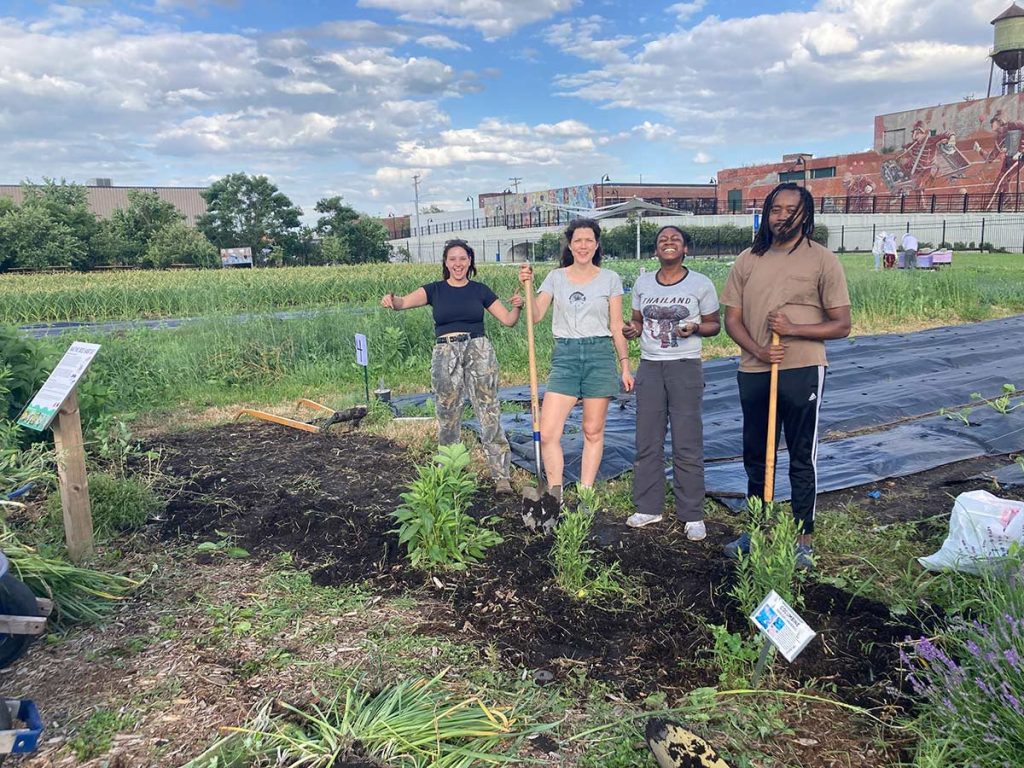
For many aspiring gardeners, impediments such as inexperience, lack of resources, or limited space can deter their aspirations. However, community engagement offers a vital support system that can empower individuals to overcome these challenges. Community gardens have seen a resurgence across urban landscapes, fostering a sense of shared responsibility and collective achievement. They provide opportunities for budding gardeners to collaborate, share resources, and educate one another on sustainable practices.
Moreover, local gardening clubs and online platforms dedicated to gardening can serve as invaluable forums for knowledge exchange. Participants can ask questions, share experiences, and showcase their progress, thus enriching the learning process. Many cities also sponsor workshops and classes covering a range of topics, from organic pest control to seasonal planting advice, granting participants the tools they need to develop successful gardens.
Incorporating element of food swaps within local communities can also provide a thrilling twist to food cultivation. By exchanging excess produce, herbs, or even seeds with neighbors, gardeners can diversify their gardens and make the most of their efforts. This communal approach not only cultivates a sense of belonging but also encourages the use of heirloom and native varieties that contribute to the preservation of biodiversity.
Embracing Technology for Home Gardening
The merge of technology and gardening is reshaping home food cultivation. Digital tools can aid gardeners in tracking weather patterns, monitoring soil moisture, and diagnosing plant diseases. Smart gardening systems equipped with sensors can automate watering schedules and alert users when plants require attention, thus promoting a hands-off approach that maintains productivity even during busy seasons.
Mobile applications dedicated to gardening can provide personalized assistance, ensuring that novice and experienced gardeners alike have access to expert tips and reminders tailored to their specific plants and climates. This technological integration not only helps overcome barriers faced during cultivation but also enhances the overall experience of becoming a sustainable gardener.
Conclusion: Cultivating Change Through Sustainable Gardening
In conclusion, creating a sustainable garden involves a multifaceted approach that addresses the diverse barriers faced by home food cultivators. By incorporating effective water management strategies, such as rainwater harvesting and drip irrigation, gardeners can significantly enhance their gardens while conserving precious resources. Furthermore, engaging with local communities through shared gardening efforts not only fosters a sense of belonging but also promotes knowledge exchange and resource-sharing, invaluable for overcoming limitations like inexperience and space constraints.
The integration of technology in gardening—ranging from mobile applications to smart systems—offers significant support, making it easier for both novice and seasoned gardeners to thrive. These tools aid in monitoring and managing garden health, ensuring sustainable practices are readily accessible to all. The sense of collaboration and innovation found in community gardens and gardening networks further expands opportunities for education and engagement, allowing gardeners to make informed decisions when cultivating their own plots.
As we look to the future, it is clear that the movement towards sustainable gardening will not only contribute to individual well-being but also play a pivotal role in addressing broader environmental issues. By embracing these practices and continuously seeking new knowledge and techniques, we can collectively move toward a greener, more sustainable world. Whether you are a seasoned gardener or just starting your journey, remember that every small effort contributes to a larger purpose in home food cultivation and sustainability.