Cultivating Resilience: How Home Gardening Can Help Overcome Personal Challenges

The Power of Home Gardening
In today’s fast-paced society, many individuals find themselves overwhelmed by the pressures of daily life. As a result, cultivating resilience has never been more vital. One often overlooked yet highly effective strategy for fostering this resilience is engaging in home gardening. This activity provides a blend of physical benefits—such as exercise and nutrition—with significant mental and emotional support that can enhance one’s quality of life.
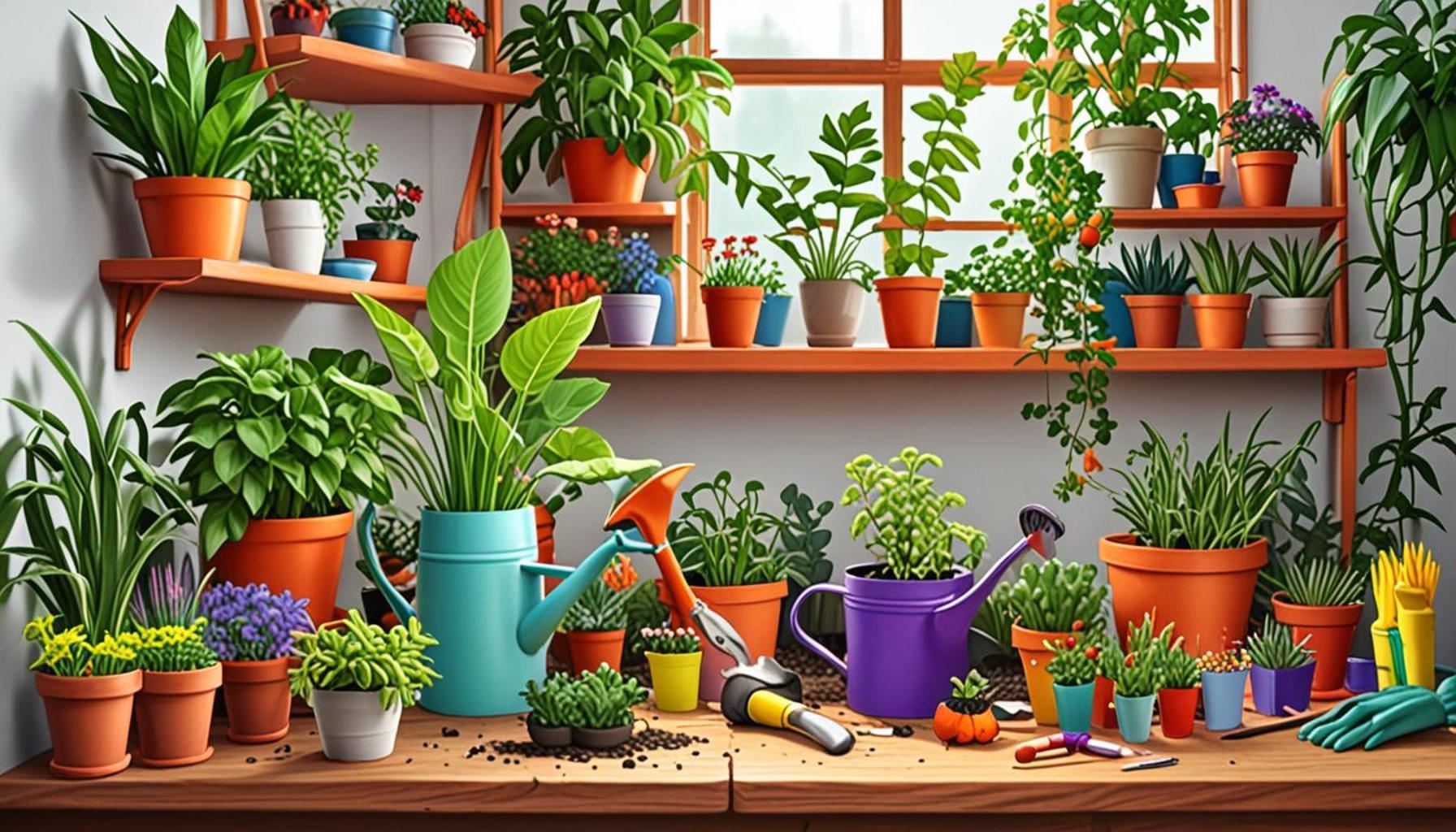
Home gardening transforms not only your living space but also your mental outlook. The tactile experience of digging in the soil, planting seeds, and nurturing burgeoning plants fosters a deep-rooted connection with nature that many find rejuvenating. This connection serves as a natural therapy, allowing individuals to temporarily escape the stressors of their lives. Let’s delve into several compelling reasons to consider home gardening as a means to build resilience:
- Therapeutic Effects: Numerous studies indicate that spending time with plants can significantly reduce anxiety and elevate mood. The simple act of tending to a garden can decrease cortisol levels, the hormone associated with stress, leading to a more relaxed state of mind.
- Sense of Accomplishment: Witnessing the progress of seeds evolving into thriving plants provides a tangible sense of achievement. This experience boosts self-efficacy and instills confidence, which can be particularly beneficial during times of personal challenge.
- Routine Building: Establishing a gardening schedule, whether daily or weekly, fosters a sense of stability and predictability. This routine can anchor your day, providing a structured approach to unwinding and focusing on something fulfilling.
- Connection with Nature: Engaging with the natural environment has been linked to improved mental health outcomes. Regular exposure to greenery can enhance feelings of well-being, decrease symptoms of depression, and increase overall satisfaction with life.
- Community Engagement: Home gardening can also serve as a gateway to connecting with local gardening groups or community gardens. These networks provide opportunities for social interaction, sharing knowledge, and creating a sense of belonging with others who share similar interests.
By embracing the powerful act of tending to a garden, individuals can cultivate a sanctuary that promotes healing and resilience. From enhancing mood through therapeutic practices to fostering community relationships, the benefits of gardening are extensive. Moreover, as you navigate personal challenges, the skills and mindset developed through gardening can enable you to emerge stronger and more prepared for life’s hurdles. In this article, we will probe deeper into how incorporating home gardening into your daily routine can act as a lifeline during turbulent times, guiding you toward a more resilient self.
DISCOVER MORE: Click here to enhance your gardening journey
The Therapeutic Benefits of Gardening
Home gardening serves as a potent form of therapy that transcends mere aesthetics or hobbyist pursuits. It taps into our intrinsic connection with the earth, offering individuals a hands-on method to manage stress, anxiety, and emotional turmoil. Research indicates that engaging in natural environments can lead to a noticeable reduction in stress levels and an overall enhancement of psychological well-being.

According to a study conducted by the Journal of Environmental Psychology, individuals who spend time gardening report feeling less stressed and more satisfied with their lives. This phenomenon can be attributed to several factors, fundamentally rooted in the immersive experience gardening provides. Here are some of the crucial therapeutic effects home gardening offers:
- Mindfulness Practices: The act of gardening encourages mindfulness, propelling individuals into the present moment. As you dig into the soil, plant seeds, or pull weeds, there’s little room for distractions. This focused attention alleviates anxiety, enabling you to connect with your surroundings.
- Physical Activity: Gardening involves movement—whether it’s bending, digging, or lifting. This engagement in physical activity leads to the release of endorphins, commonly known as the “feel-good” hormones. Increased activity can significantly uplift one’s mood and boost resilience against daily challenges.
- Exposure to Sunlight: Sunshine is known to play an essential role in mental health. The vitamin D produced in our bodies through sun exposure can help relieve depression. Spending time outdoors while gardening contributes to the positive effects of natural light.
Moreover, home gardening goes beyond addressing immediate mental health benefits; it engenders a long-term investment in personal growth. For many, the process of learning to garden can become a metaphor for overcoming life’s obstacles. As you cultivate each seedling, you’re also cultivating the skills to nurture your dreams and ambitions—one plant at a time.
Think about the feeling of planting a seed. You must trust the process, supply the right conditions, and allow time for growth. This analogy can easily transcend into life’s challenges, where the resilience built through home gardening teaches you to adapt, pivot, and care for yourself as you would for your plants.
As we delve deeper into this topic, we will explore the profound impact gardening has on the development of resilience and the various ways you can incorporate this enriching activity into your routine. Addressing personal challenges can be daunting, but with the right tools—like a garden—we can learn to flourish despite the odds.
Home gardening is not just about growing plants; it is a therapeutic endeavor that offers numerous psychological and emotional benefits. Engaging with nature has been proven to reduce stress and anxiety levels significantly. The tactile experience of digging in the soil, planting seeds, and nurturing growing plants allows individuals to connect with the earth and escape from daily life pressures. This process fosters a sense of accomplishment, particularly when witnessing the fruits of one’s labor blossom into vibrant flowers or ripe vegetables.
Furthermore, home gardening encourages mindfulness. As individuals focus on the rhythmic tasks of watering, pruning, and tending to their gardens, they become more present in the moment, which can help alleviate feelings of overwhelm or distraction caused by modern living. Simple gardening acts become a form of meditation, making it an effective alternative to conventional stress-relief methods.
The act of nurturing plants also cultivates resilience in a more profound way. Gardening provides insight into the cycle of life—seeds sprout, grow, wither, and renew. This cycle mirrors personal challenges; it teaches perseverance through difficulties and the importance of patience and growth over time. As gardeners confront pests, changes in weather, and unforeseen challenges, they learn problem-solving skills that extend beyond the garden, aiding resilience in facing life’s hurdles.
Moreover, home gardening promotes a sense of community. Sharing produce with neighbors or participating in local gardening groups fosters social connections and support systems. This interaction not only enriches lives but also enhances emotional well-being, highlighting the importance of social resilience in overcoming personal challenges.
In summary, home gardening serves as a multifaceted tool to cultivate resilience, offering not just physical benefits but also significant mental health advantages. Through the act of planting, nurturing, and even harvesting, individuals can equip themselves with valuable skills and insights that transcend the garden gates.
LEARN MORE: Click here to enhance your gardening skills with feedback
Building Community Through Gardening
Home gardening not only serves the individual but also extends its benefits to the community, fostering connections that play a significant role in cultivating resilience. Gardening can become a communal activity, allowing people to bond over shared experiences and challenges, thereby creating a support system that is crucial when navigating personal difficulties. The rise of community gardens across the United States exemplifies this trend, with cities like San Francisco and New York leading the charge in promoting gardening as a method of uniting neighbors.
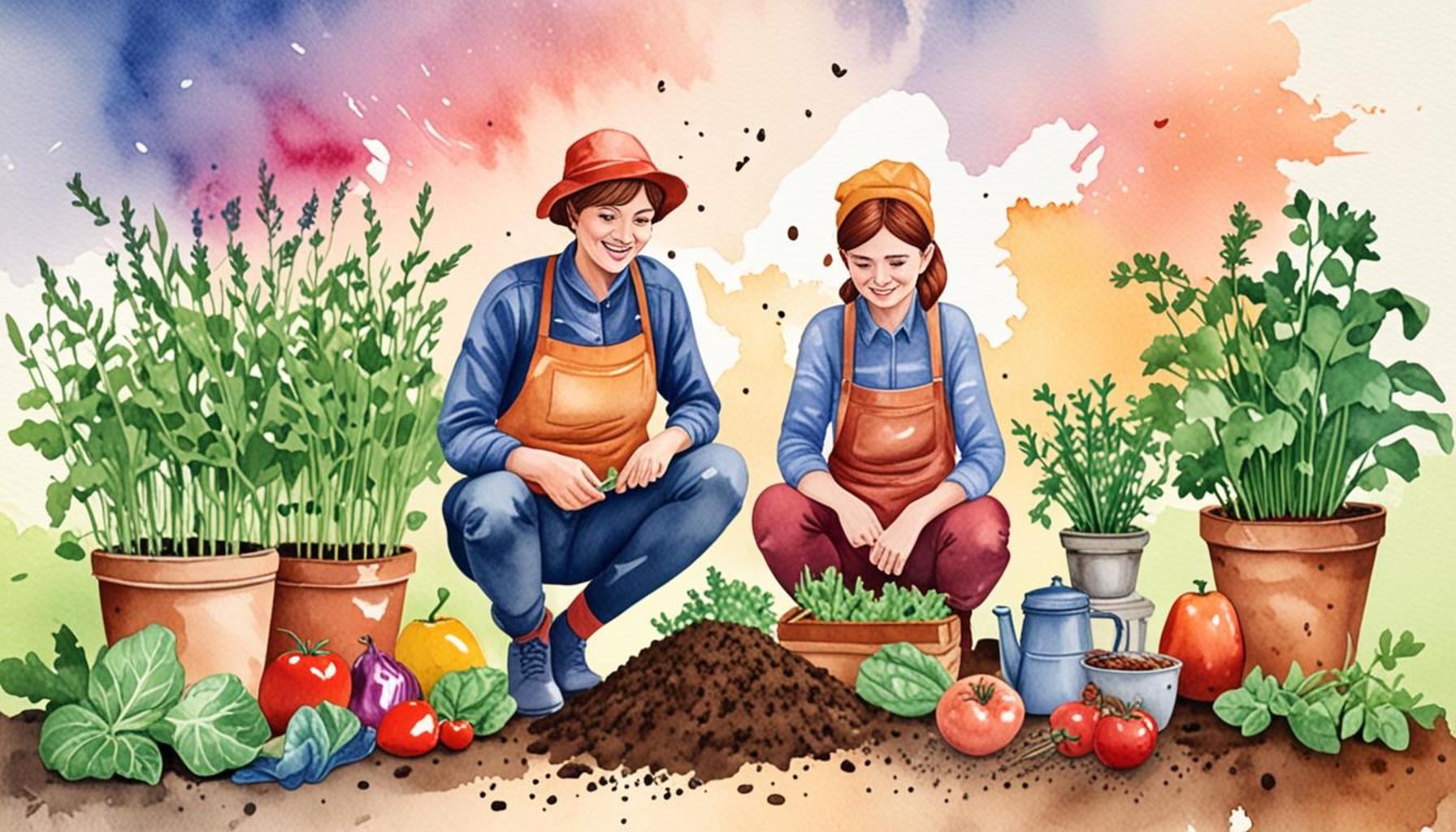
Participating in a community garden can be an empowering experience. Individuals not only produce food for themselves but also contribute to the collective effort of the group. Such shared endeavors lead to a greater sense of belonging and purpose, which are vital ingredients in enhancing emotional fortitude during challenging times. In fact, the National Gardening Association emphasizes that community gardens can help build social ties, fostering friendships that offer emotional support when personal challenges arise.
The act of gardening side-by-side with others can diminish feelings of isolation and loneliness. For many, personal challenges stem from a lack of connection with others, making the community aspect of gardening an invaluable resource. Engaging in conversations while tending to plants can lift spirits, allowing individuals to share their stories and provide one another with encouragement.
Gardening as a Means of Skill Development
Home gardening also invites opportunities for skill development, which can bolster resilience in the face of personal obstacles. As gardeners navigate seasons, weather fluctuations, and pest challenges, they hone problem-solving skills and adaptability. Each planting and harvesting cycle teaches valuable lessons about patience, persistence, and resilience that can translate to other areas in their lives.
For example, learning to propagate plants can serve as a powerful metaphor for overcoming rejection or setbacks. When a seed fails to germinate, it’s an opportunity for a gardener to analyze the reasons, adapt their technique, and try again. Such experiences build a mindset of resilience, teaching individuals that failure is just a step toward growth. This optimistic framework is essential for coping with life’s hurdles, reminding us that persistence often leads to eventual success.
Furthermore, individuals can explore sustainability practices through their gardens, which enhances their overall sense of achievement. Implementing composting techniques or embracing organic gardening principles not only contributes to personal growth but also connects individuals to broader movements focused on environmental stewardship and social responsibility. The sense of accomplishment gained from such practices can significantly impact one’s self-esteem, creating a foundation upon which resilience can thrive.
Gardening as a Gateway to Mental Wellness
Another vital aspect of home gardening is its role in promoting mental wellness, which contributes significantly to building resilience. The process of nurturing plants and witnessing their transformation offers a tangible reminder of progress, somewhat akin to the journey of personal growth. The American Horticultural Therapy Association highlights research indicating that engaging in gardening activities can lower feelings of depression and anxiety, promoting an overall sense of well-being.
Additionally, gardening provides individuals with a sense of purpose, engaging their minds and reducing rumination about personal challenges. As you nurture plants and watch them grow, you’re reminded that, similar to your own life, with proper care and attention, transformation is possible. Each budding flower or ripe vegetable serves as a testament to the journey of resilience, affirming the belief that challenges, while daunting, can eventually lead to beautiful outcomes.
As we delve deeper into how to incorporate effective gardening practices into your daily routine, the potential impact on resilience and personal strength continues to become increasingly evident. Through cultivating your garden, you are simultaneously nurturing your mind and spirit, empowering yourself to face whatever challenges may come your way.
LEARN MORE: Click here to start your journey to better mental health
The Transformative Power of Gardening
In summary, cultivating resilience through home gardening presents a multifaceted approach to overcoming personal challenges. From the grounding nature of tending to plants to the community connections fostered through shared gardening experiences, it offers a unique therapeutic outlet that strengthens both mind and spirit. Gardening cultivates not only a garden of greenery but also a sanctuary for personal growth where individuals can hone critical skills such as patience and problem-solving. These skills not only translate to gardening practices but permeate various aspects of life, enabling one to face obstacles with newfound strength.
Moreover, the mental wellness benefits derived from immersing oneself in gardening cannot be overstated. Engaging with the natural world not only lowers anxiety and depression but also instills a sense of purpose, creating a positive feedback loop that reinforces a resilient mindset. As reported by various studies, the act of nurturing living things can lead to significant improvements in emotional well-being, highlighting the powerful connection between nature and mental health.
As we continue to navigate through personal and collective challenges, embracing home gardening as a practical tool for resilience can empower individuals to cultivate not only their gardens but also stronger, more resilient selves. So, whether you’re planting a single herb or joining a community garden, remember that each seed sown is an opportunity for growth—not just in the soil, but deep within yourself. Take the time to dig in, explore, and discover how gardening can be your path to resilience and personal transformation.