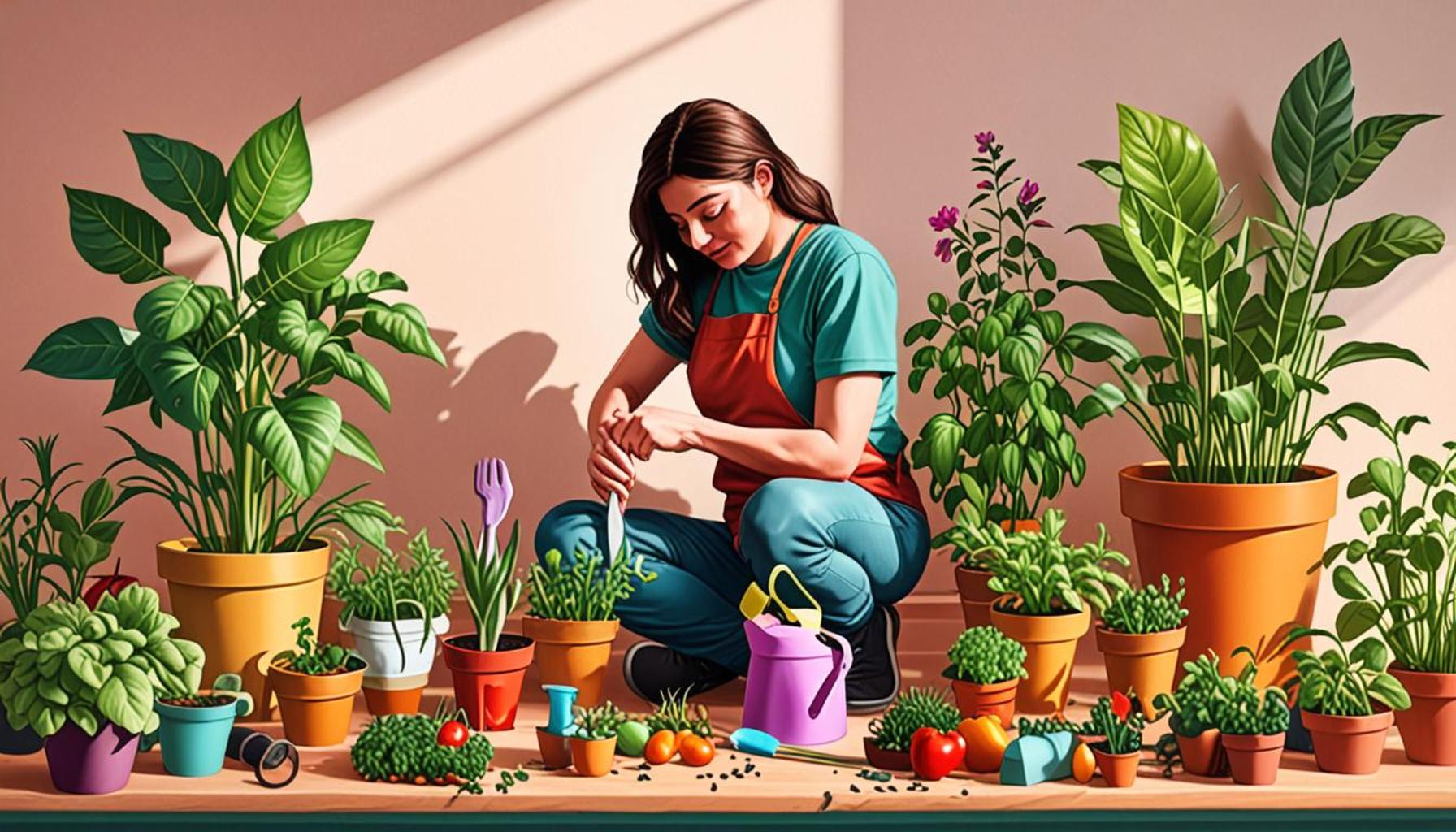
From Solo to Success: How Growing Food at Home Can Strengthen Persistence and Patience
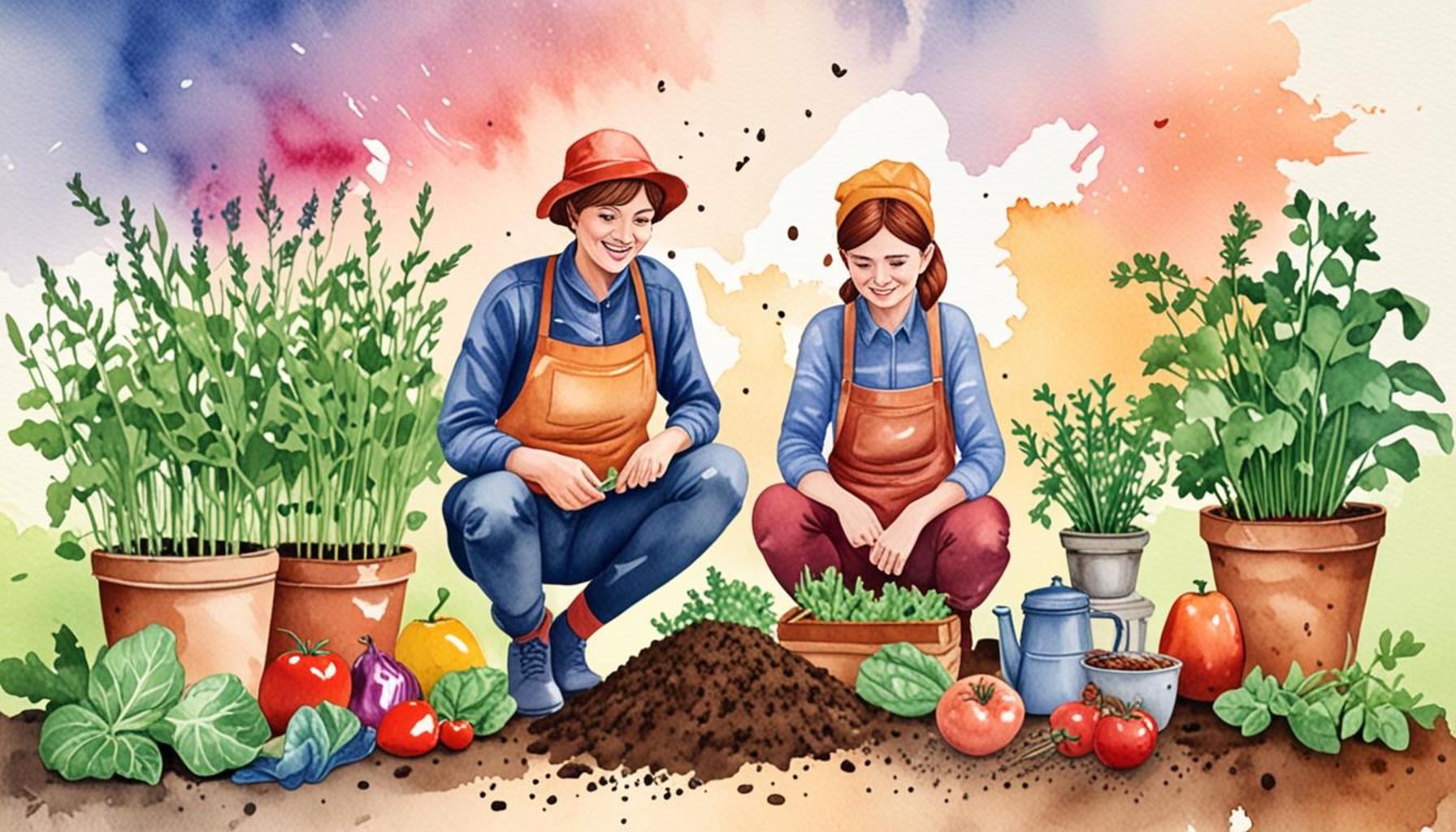
Embracing the Green Revolution
In a society increasingly driven by instant gratification and digital interaction, the act of growing food at home is not just a trend but a revival of age-old practices that reconnect us with nature and ourselves. This approach not only emphasizes sustainability, but also nurtures a deeper sense of community and respect for the environment. As people grapple with challenges such as climate change and food insecurity, backyard gardening emerges as an intrinsic solution that cultivates both resilience and personal development.
The Benefits of Hands-On Learning
Hands-on Learning: Gardening is a dynamic classroom where lessons are learned through experience rather than textbooks. Whether it’s choosing the right soil, determining the optimal planting schedule based on seasonal changes, or understanding the nutritional needs of various plants, hands-on gardening provides a plethora of practical skills. For example, a simple project like creating compost not only reduces kitchen waste but also enriches soil, making it a sustainable practice that yields tangible benefits.
Additionally, gardening enhances problem-solving skills. If a plant wilts, gardeners must deduce whether it needs more water, sunlight, or is suffering from pests. This constant evaluation sharpens critical thinking and adaptability—essential skills that transcend the garden and apply to various life situations.
Nurturing Responsibility
Managing Expectations: The journey from seed to harvest is a metaphorical lesson in patience. Many gardeners find themselves grappling with disappointment when a seed doesn’t sprout as expected or when a sudden frost kills delicate plants. Such experiences highlight an important life lesson: good things often require time and care, fostering deep respect for the natural growth processes.
Nurturing Responsibility: Each plant in your garden becomes a commitment. From watering to providing adequate sunlight and protection against pests, tending to a garden encourages a sense of accountability. For example, children can learn valuable lessons in responsibility by helping to care for a vegetable patch, fostering curiosity about where food comes from and instilling respect for living organisms.

Facing Challenges with Resilience
Gardening inevitably presents challenges, but each one is an opportunity for personal growth. Resilience is built when gardeners learn to adapt their strategies to accommodate unexpected weather patterns or pest infestations. Many gardeners find creative solutions—such as companion planting—to naturally deter pests, further emphasizing the innovative spirit intrinsic to home gardening.
Patience becomes a virtue, as understanding the growth cycle translates into broader life perspectives. Learning to wait for a plant to bear fruit cultivates greater patience and anticipation in everyday life. Moreover, joy in accomplishments transforms simple acts of nurturing into moments of celebration when the first tomatoes ripen or when a bouquet of flowers blooms brightly.
Engaging in gardening goes beyond cultivation; it encapsulates a journey that fosters resilience, patience, and self-discovery. By transforming solitary gardening endeavors into communal feats, individuals not only contribute to their well-being but also inspire others to join the green revolution. Through the simple act of planting a seed, one can sow the foundation for profound personal growth and community cohesion.
DISCOVER MORE: Click here to uncover valuable gardening insights
Cultivating a Mindset of Growth
The Journey of Gardening: One of the most compelling aspects of home gardening is its ability to cultivate a mindset rooted in persistence and patience. Growing food at home is not merely a method of producing sustenance; it is an intricate journey that requires both time and dedication. As aspiring gardeners dig into their plots, they quickly realize that success is not instantaneous. With every seed sown, there lies a promise—one that demands nurturing and understanding before any yield can be reaped. This gradual process emphasizes the importance of perseverance in the face of challenges, making it a profound teaching tool for individuals of all ages.
Learning from Nature: Nature operates on its own timeline, and engaging in gardening provides a unique opportunity to align oneself with this rhythm. Gardeners must adapt to seasonal changes, respond to differing weather conditions, and learn the nuances of plant biology. This connection to nature fosters a deep appreciation for life cycles, ultimately teaching the valuable lesson that not everything can be rushed. Many people find that the act of planting a seed today may only result in a vegetable harvest months down the line. This reality reflects life’s broader experiences and reinforces that meaningful results often necessitate patience.
Practical Mindset Shifts
In addition to fostering patience, home gardening encourages practical mindset shifts that extend beyond the garden, including:
- Setting Realistic Goals: Just like a gardener learns to set realistic expectations regarding plant growth, individuals learn to set achievable goals in their personal and professional lives. The realization that progress takes time helps develop a more grounded approach to challenges.
- Embracing Failure: Each gardener encounters setbacks—plants may fail to grow, or pests may invade a garden plot. However, these challenges provide invaluable learning experiences, reinforcing that failure is often a stepping stone to success.
- Celebrating Small Victories: Whether it’s the first sprout peeking through the soil or the first batch of tomatoes harvested, each milestone offers an opportunity for celebration, reinforcing the idea that persistence yields rewards.
Connecting with Community: Gardening is not just a solitary exercise; it can act as a gateway to community engagement. Neighborhood garden projects, farmers’ markets, and online gardening forums allow novice gardeners to connect with experienced ones, sharing tips and support. This camaraderie can greatly enhance one’s commitment to persistent efforts. As gardeners share their successes and failures, a supportive atmosphere forms, encouraging individuals to stay resilient in their horticultural pursuits.
The essence of gardening transcends mere cultivation; it quietly beckons gardeners to witness the interplay between patience and persistence in action. As this dynamic unfolds, practitioners gain insights that empower them to approach challenges with renewed vigor. This gradual process of nurturing not only strengthens one’s resolve in the garden but also imbues a sense of confidence that is transferable to many aspects of life.
Embracing the Journey: Cultivating Skills and Mindset
Growing food at home is not just about the eventual harvest; it’s a profound journey that instills essential life skills such as persistence and patience. Each stage of growing is a lesson in adapting to changing conditions, learning from failures, and celebrating small victories. As aspiring gardeners work to nurture their plants, they encounter various challenges—pest infestations, weather changes, or unexpected growth patterns. These obstacles push individuals to devise solutions, enhancing their problem-solving skills. Moreover, the practice of sowing seeds and waiting for them to grow can mirror real-life scenarios where immediate results are not always guaranteed. The act of caring for a garden fosters a stronger sense of routine and responsibility, encouraging individuals to commit to their goals over time. This journey emphasizes the importance of patience, as those planting seeds must trust the process, tending to their plants with care while awaiting their growth. Each vegetable or herb cultivated showcases the power of resilience—both of the plant and the gardener. As they witness their efforts materialize into tangible results, individuals garner confidence in their abilities to face adversity, thereby propelling themselves to success in various facets of life. This cultivation of skills and mindset transforms home growing into a holistic experience that enriches both the physical and mental landscape of those engaged in it.
| Advantages | Impact on Growth |
|---|---|
| Improved Problem-Solving Skills | Forces individuals to tackle gardening challenges head-on, fostering a proactive mindset. |
| Enhanced Patience | Encourages a long-term view, teaching that great things often take time to bear fruit. |
As the home gardener continues their journey, they not only reap the benefits of home-grown produce but also cultivate a reflective and growth-oriented mindset, essential for personal and professional achievements.
DISCOVER MORE: Click here to learn how to boost your motivation
The Therapeutic Benefits of Gardening
Emotional Resilience: Engaging in home gardening goes beyond cultivating vegetables and herbs; it serves as a therapeutic outlet for stress and anxiety. It has been shown that spending time in green spaces can significantly reduce stress levels and enhance mental well-being. Research from the University of Colorado indicates that gardening can lead to decreased levels of cortisol, the body’s primary stress hormone. The act of tending to plants, watching them grow, and experiencing the fruits of one’s labor fosters a sense of accomplishment and emotional resilience. This connection to nature, combined with hands-on work, cultivates a physical and mental environment conducive to developing patience and persistence.
A Mindful Practice: Gardening inherently encourages mindfulness—an approach that involves being present in the moment and fully engaging with the task at hand. As gardeners plant, water, and nurture their crops, they immerse themselves in a rhythm of routine and observation. This mindfulness cultivates patience, as it allows individuals to appreciate the gradual progression of growth. Instead of focusing solely on the end goal, they learn to savor each small detail, whether it be the texture of soil or the sound of rustling leaves. Such practices reinforce the importance of living in the present, a skill that can enhance persistence when faced with life’s hurdles.
Culinary Confidence through Homegrown Food
Expanding Culinary Horizons: Successfully growing food at home instills a newfound sense of culinary confidence. When gardeners harvest their produce, they often feel motivated to experiment with new recipes and cooking techniques. This transition from simply growing food to preparing meals from scratch can lead to greater satisfaction in the kitchen. Notably, studies have shown that people who cook with homegrown ingredients are more likely to exhibit healthier eating habits. The journey of transforming an ingredient from seed to a flavorful dish reinforces persistence by demonstrating the rewarding outcomes that result from hard work and commitment.
Creating a Sustainable Lifestyle: Growing food at home encourages individuals to adopt a more sustainable lifestyle. This commitment requires patience as one learns about crop rotation, composting, and organic gardening methods. Implementing these practices results not only in healthy plants but also in more nutritious food and a reduced carbon footprint. According to the USDA, home gardening can lead to a significant decrease in food waste, as gardeners can plan meals around their available produce. This shift toward sustainability helps cultivate a sense of responsibility and tenacity, as individuals persevere to maintain a productive garden amidst the challenges of modern life.
Gardening: A Journey of Discovery
Rethinking Success: In a fast-paced world that often prioritizes quick results, gardening serves as a gentle reminder that success is a journey rather than a destination. As gardeners tend their plants, they witness firsthand the gradual transformation from seed to harvest. This extends beyond gardening into larger life lessons—whether in careers, relationships, or personal growth. By reframing their understanding of success as a continuum filled with valuable experiences and lessons learned along the way, individuals can strengthen their resilience. The patience required in gardening translates directly into patience in navigating life’s challenges, fostering a sense of calm determination to continue pursuing one’s goals.
Ultimately, the act of growing food at home becomes a transformative experience—one that empowers individuals to develop patience, cultivate persistence, and reap the cultural and emotional benefits inherent in nurturing life from the ground up.
DIVE DEEPER: Click here to enhance your gardening skills
Conclusion: A Transformative Journey
In conclusion, the journey of growing food at home is not merely about harvesting fresh produce; it embodies a transformative experience that enhances patience and persistence in various facets of life. The emotionally and mentally stimulating benefits of gardening provide a practical framework for understanding that success is gradual. Each seed sown and every rich harvest serves as a reminder that real achievement is often cultivated through patience and unwavering dedication.
Moreover, engaging with the earth fosters emotional resilience, allowing individuals to navigate life’s stressors with a newfound calmness and strength. As they take part in this engaging, mindful practice, gardeners learn to appreciate the slow march of time, which ultimately translates into greater determination in their personal and professional lives. The hands-on experience of growing their own food instills a sense of culinary confidence, encouraging healthier eating habits and a commitment to sustainable living.
Furthermore, home gardening prompts a reevaluation of success and encourages us to savor the moment, teach us that even the simplest of tasks can yield profound rewards. As more individuals embark on their gardening ventures, the ripple effect of enhanced patience and persistence will not only benefit their own lives but also enrich their communities and the environment. Ultimately, the act of nurturing plants is an interaction that can transform solo endeavors into a journey of shared success and collective growth, urging everyone to embrace the process as much as the outcome.