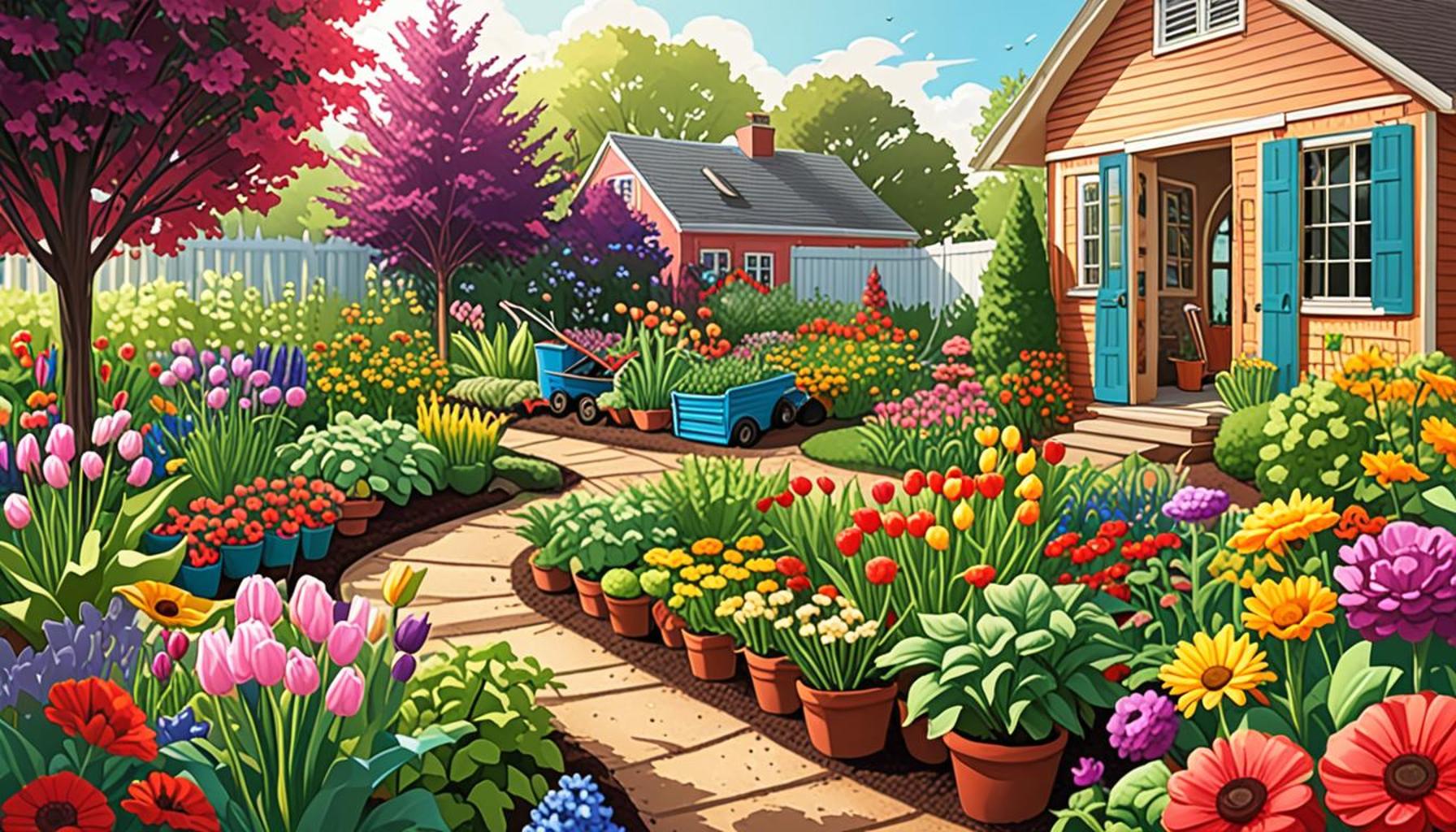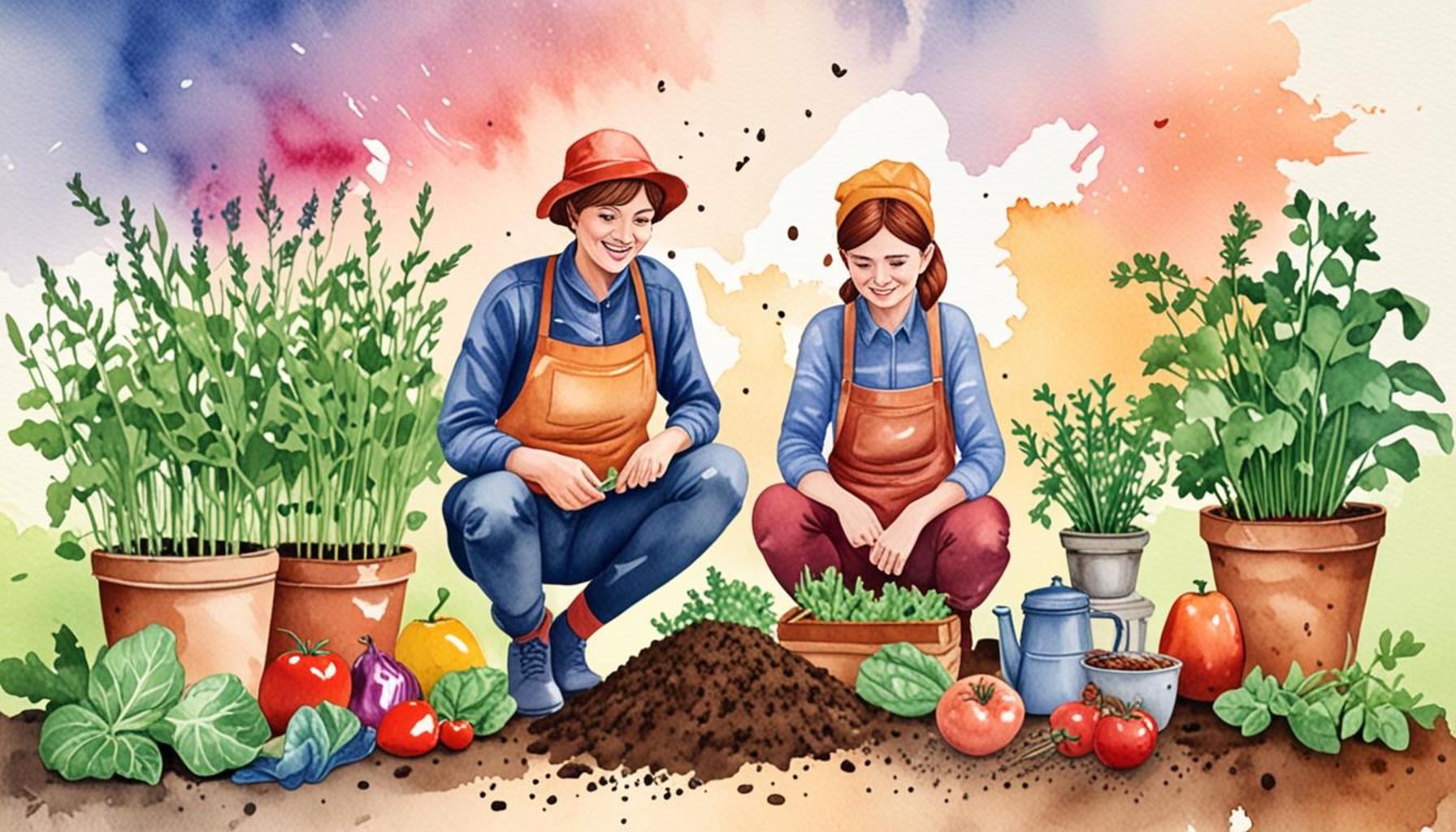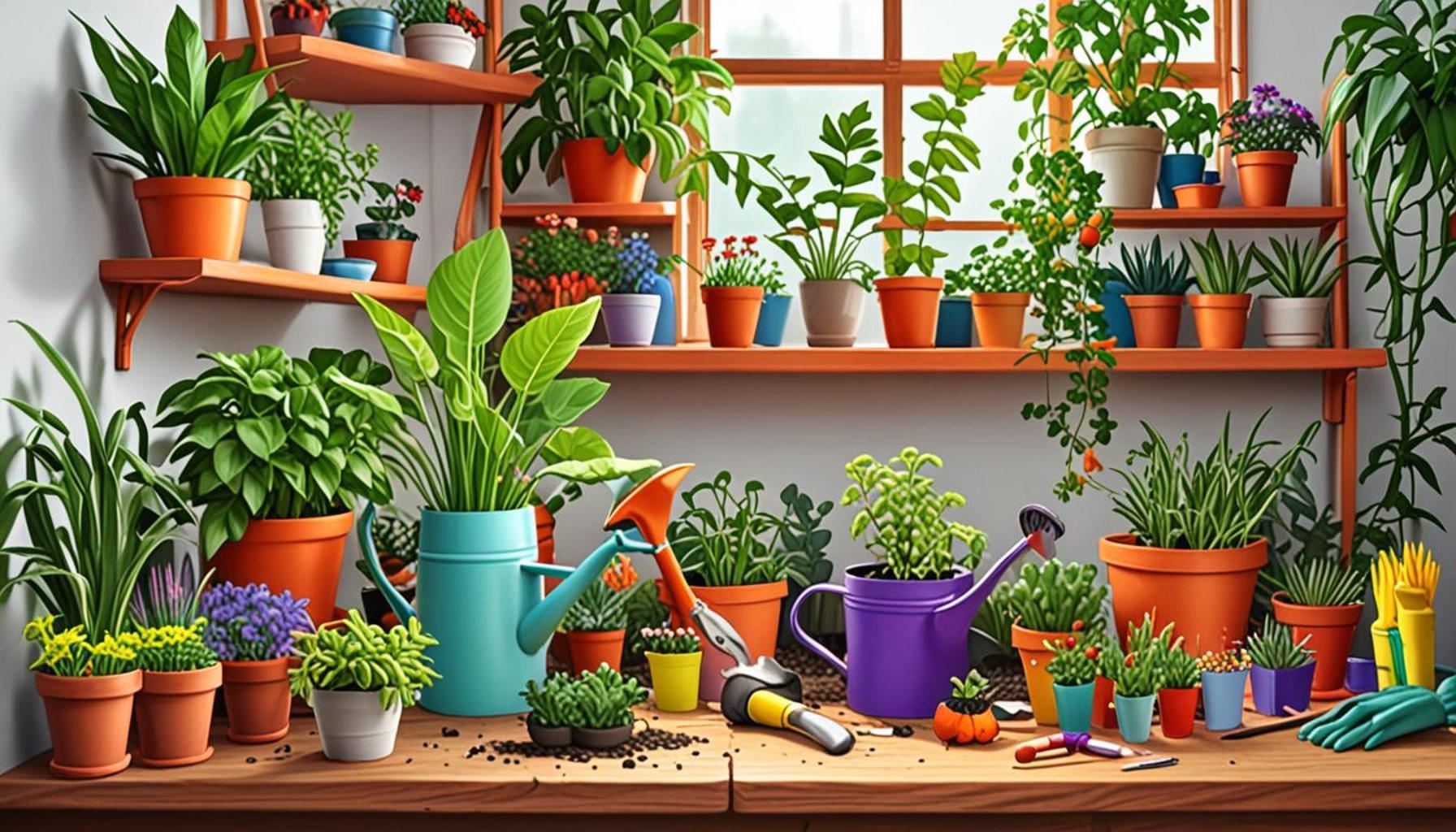
Gardening as Therapy: Building Emotional Resilience Through Home Plant Cultivation
The Therapeutic Benefits of Gardening
In today’s fast-paced world, the importance of cultivating mental health cannot be overstated. As the pressures of daily life mount, individuals are seeking refuge in various forms of self-care, and gardening as therapy has emerged as a compelling option. This practice not only involves the act of planting and nurturing but also invites individuals to engage meaningfully with their emotions, thereby enhancing their overall quality of life.
Stress Reduction Through Gardening
Numerous studies have suggested that gardening can significantly help in minimizing stress. When individuals dig their hands into the soil, feel the texture of various plants, and immerse themselves in the colors of blooming flowers, their worries often begin to dissipate. The act of gardening often requires physical activity which triggers the release of endorphins, the body’s natural stress relievers. For example, a study conducted at the Netherlands Institute for Health Services Research found that spending just 30 minutes a week in a garden can lead to considerable reductions in cortisol levels, a primary stress hormone.
Emotional and Psychological Upliftment
Beyond mere stress relief, gardening is also associated with an enhanced mood. The sensory experiences associated with this activity, such as the smell of fresh soil or the vibrant colors of various plants, can evoke happiness and contentment. According to psychological research, engaging with nature often promotes a sense of belonging and reduces feelings of loneliness. Community gardens, for instance, serve as excellent social hubs where individuals forge bonds while working together towards a common goal of plant cultivation.
Mindfulness and Focus
As people become increasingly distracted by technology and the hustle of modern life, the repetitive tasks involved in gardening, such as weeding, planting, and watering, can serve as an excellent form of mindfulness practice. These activities encourage individuals to focus on the present moment, thereby improving their attention and overall mental clarity. Taking a moment to watch a seed sprout or noticing the subtle changes in a plant fosters a deep connection to nature and a heightened awareness of one’s surroundings.
A Sense of Achievements and Personal Growth
Gardening also taps into human creativity and nurtures a profound sense of purpose and accomplishment. Witnessing the transformation from a simple seed to a thriving plant can be immensely rewarding. This metamorphosis becomes a metaphor for personal growth, reminding individuals of their capacity to nurture and effect change. Gardening is not just about cultivating plants; it is about cultivating oneself.
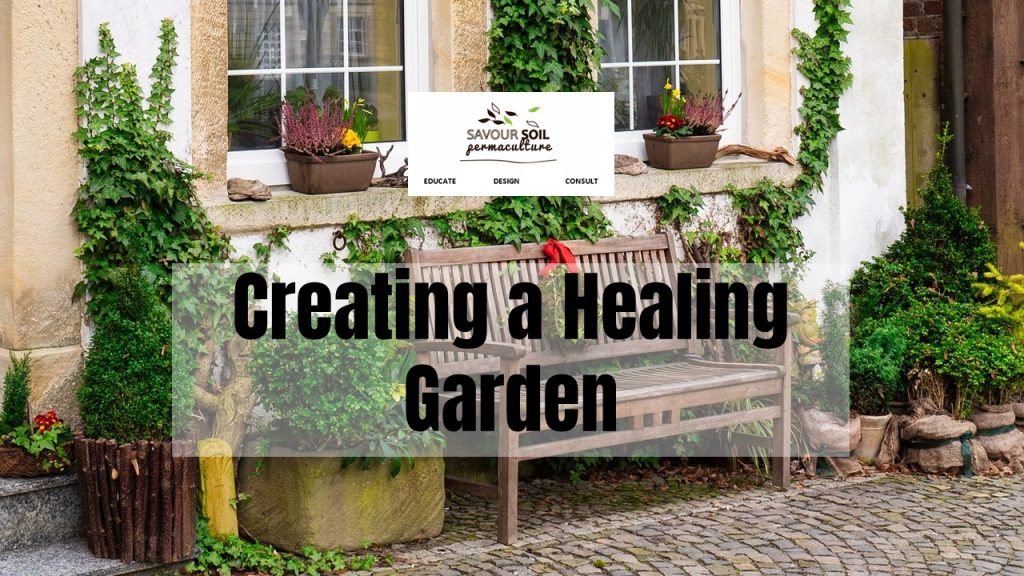
As more Americans recognize the myriad benefits of gardening, the concept is increasingly woven into the fabric of wellness practices. Whether tending to a small herb garden on a balcony or participating in larger community gardening initiatives, individuals may find enriching and fulfilling experiences that extend beyond the physical act of gardening itself. The journey of caring for plants can indeed foster emotional resilience, leading to a more balanced and enriched life.
This exploration into the healing power of plants invites everyone to consider how gardening might cultivate not only their outdoor spaces but also their inner strengths. In the practical act of nurturing nature, there lies the potential for nurturing the soul.
DIVE DEEPER: Click here to discover how to embrace your gardening mistakes</p
Connecting with Nature: The Foundation of Gardening as Therapy
The act of gardening serves as a profound connection between individuals and nature, providing a much-needed respite in our technology-driven lives. This connection not only holds aesthetic value but also facilitates a deeper emotional engagement. The grounding effect of working with soil and plants engages our senses while encouraging a holistic approach to mental well-being. By immersing ourselves in nature, we tap into an innate human desire to nurture and create, fostering a sense of peace and belonging.
The Role of Nature in Emotional Healing
The therapeutic effects of nature are supported by a growing body of research. Studies suggest that just spending time outdoors, especially in green spaces, leads to decreased anxiety and boosted happiness levels. In fact, a report by the American Psychological Association revealed that activities such as gardening can reduce feelings of depression by as much as 30%. This correlation emphasizes the importance of nature as a healing environment that carries significant implications for emotional well-being.
Creating a Healing Space at Home
For those looking to harness the therapeutic powers of gardening, crafting a personal green sanctuary at home can be incredibly rewarding. Here are some simple steps to create a healing space:
- Choose a suitable location: Select a spot in your yard, balcony, or even a windowsill that receives ample sunlight and is conducive to plant growth.
- Start small: Begin with easy-to-care-for plants such as succulents or herbs like basil and mint. As confidence builds, gradually expand your collection.
- Add personal touches: Incorporate colorful pots, decorative stones, or garden art that resonates with your personality, creating an inviting atmosphere.
- Incorporate sensory elements: Choose fragrant flowers or plants with textured leaves that stimulate the senses, enhancing the healing experience.
Gardening as a Medium for Self-Reflection
Gardening also acts as a platform for self-reflection. Each stage of growth in a garden can mirror personal journeys, where challenges may arise that require patience and resilience. Whether it’s battling pest infestations or managing unexpected weather changes, each struggle emphasizes the importance of perseverance. Allowing oneself to reflect on these experiences in conjunction with gardening can foster emotional resilience, helping individuals to process their thoughts and feelings in a safe environment.
As more and more people recognize the multitude of benefits associated with gardening as therapy, the conversation around mental health continues to expand. In a world where self-care options are varied, gardening stands out as a unique practice that not only cultivates plants but also nurtures the human spirit.
| Benefits of Gardening | Therapeutic Aspects |
|---|---|
| Stress Reduction | Gardening allows individuals to connect with nature, providing a calming effect that can reduce anxiety levels. |
| Enhanced Mood | Engaging in home plant cultivation can increase serotonin levels, resulting in improved emotional well-being. |
| Sense of Achievement | Nurturing plants from seeds to maturity fosters a positive sense of accomplishment and resilience. |
| Social Interaction | Gardening can be a communal activity, encouraging social ties that contribute to emotional stability. |
Home gardening emerges as a multifaceted method of therapy that enhances emotional resilience. By interacting with soil and nurturing living plants, individuals may experience a deep-rooted connection to the rhythms of life, fostering mindfulness and emotional clarity. Engaging in low-maintenance plants could easily provide therapeutic benefits, making the practice accessible to anyone, regardless of their gardening expertise. Moreover, data reveal that spending just 30 minutes a week tending to plants can improve mental health significantly. This aligns with findings from recent studies which highlight how hands-on gardening sessions can act as a natural antidepressant, effectively combating feelings of loneliness and enhancing overall life satisfaction. Gardening provides an excellent opportunity for individuals to step outside their mental rut and cultivate not just plants, but also a more resilient mindset.
DISCOVER MORE: Click here to enhance your garden
Therapeutic Benefits of Cultivating a Garden
Beyond providing a connection to nature, gardening serves as an effective form of therapy that nurtures emotional resilience through its multifaceted benefits. Engaging in this age-old practice can foster emotional well-being in several ways, from enhancing mindfulness to promoting social interactions.
Mindfulness Through Gardening
One of the most profound aspects of gardening is its ability to cultivate mindfulness. When immersed in the repetitive yet rewarding tasks of planting, weeding, and watering, the mind naturally shifts focus from anxieties and stressors to the present moment. A study published in the journal Ecopsychology found that participants who engaged in gardening experienced a significant increase in mindfulness, which in turn reduced symptoms of stress and anxiety. This mindful engagement allows individuals to slow down, observe their surroundings, and cultivate a deeper appreciation for life’s simple pleasures.
The Social Component of Gardening
Gardening can also promote social connections, a vital component of emotional health. Community gardens have emerged as safe havens where individuals from diverse backgrounds come together to cultivate plants and share experiences. Research indicates that social interaction within these gardens can lead to enhanced satisfaction, lower isolation levels, and a sense of belonging—key factors that contribute to building emotional resilience. Moreover, gardening workshops or community events can create friendships and networks that provide support and encouragement, further enriching the therapeutic experience.
Educational Opportunities and Personal Growth
Engaging in home plant cultivation presents numerous opportunities for personal growth through learning. Home gardeners often find themselves delving into new subjects, whether understanding the intricacies of plant biology, exploring sustainable practices, or even experimenting with new recipes that include their home-grown produce. This process of learning and mastery not only broadens knowledge but also fosters a sense of achievement—elements that reinforce positive self-esteem. A heightened sense of competence can enhance emotional resilience, equipping individuals to face challenges with newfound confidence and fortitude.
Physical Well-Being and Its Impact on Emotional Health
The physical demands of gardening provide another layer of therapeutic benefit. Engaging in tasks that involve digging, planting, and weeding promotes physical movement and exercise, contributing positively to physical well-being. Studies have shown that bodily activity enhances mood-regulating neurotransmitters such as serotonin and dopamine. As physical health and emotional health are closely linked, gardening becomes a dual-benefit tool: not only does it bolster emotional resilience, but it also supports overall physical fitness.
Seasonal Rhythms and Emotional Cycles
The cyclical nature of gardening mirrors the ebbs and flows of our own emotional seasons, providing a valuable framework for understanding resilience. As one plants seeds in spring, nurtures them through summer, and prepares for the dormancy of winter, garden caretakers learn to navigate their feelings and experiences as part of a natural cycle. This synchronization reinforces the understanding that emotional states can shift and evolve over time, and just as plants rejuvenate after a season, so can individuals find renewal after periods of struggle.
Embracing gardening as a therapeutic outlet offers individuals an engaging way to foster emotional resilience. By cultivating plants and tending to a garden, people can experience a profound connection to nature while simultaneously nurturing their mental health—a practice worthy of exploration in the journey toward emotional well-being.
DISCOVER MORE: Click here to learn how to inspire your kids in gardening
Conclusion: Nurturing Resilience Through Home Gardening
In an increasingly fast-paced and stressful world, embracing gardening as a form of therapy opens the door to profound emotional healing and growth. The diverse benefits of cultivating plants at home transcend mere aesthetics, providing individuals with valuable tools to enhance emotional resilience. From fostering mindfulness to nurturing meaningful social connections, gardening serves as a sanctuary for the mind and soul.
As we engage with the earth, we learn to appreciate the beauty of life’s rhythms—each planting season serves as a reminder of renewal and possibility. The act of caring for plants not only strengthens our mental health but also nurtures our physical well-being, reinforcing the powerful connection between body and mind. Additionally, the educational opportunities that arise from home gardening empower individuals with knowledge and skills that bolster their self-esteem and confidence, critical components of emotional stamina.
The journey through the cyclical nature of gardening reflects our personal growth and resilience, encouraging us to embrace both our triumphs and challenges. It empowers us to engage meaningfully with our surroundings and each other, thus cultivating a richer, more interconnected existence. Ultimately, gardening as therapy offers not only a pathway to emotional resilience but also a profound way to connect with the world around us, enriching our lives in ways we may never have imagined. Whether you are a seasoned gardener or a curious beginner, the act of planting seeds in your backyard or balcony can lead to a journey of self-discovery, healing, and growth.
As we continue to explore the therapeutic potential of home plant cultivation, let us remember that every seed holds the promise of transformation, and with each blossom, we too can flourish.