How to Create a Gardening Journal: The Importance of Personal Feedback for Beginners
Unlocking Your Gardening Potential
Gardening is an art as much as it is a science, and it demands patience, dedication, and an eagerness to learn from both triumphs and setbacks. To truly cultivate your gardening skills, embracing the use of a gardening journal can significantly enhance your experience and success in the garden.
What is a Gardening Journal?
A gardening journal serves as a personalized log that captures your gardening journey, allowing you to document your thoughts, experiences, and key learning moments. For beginners, this tool can be indispensable. Here are some compelling features that make it a must-have:
- Planting Records: Keeping a detailed record of what you plant, when you plant it, and where you locate each species will help you track their growth and performance. For instance, if you note that your tomato plants thrived in a sunny spot last year, you can replicate that success by planting them in the same location this year.
- Weather Observations: Documenting climate conditions throughout the growing season offers valuable insights into how weather patterns affect your garden’s health. If you experience an unusually hot summer, noting the impact on your plants can help you make better irrigation decisions in the future.
- Personal Feedback: Regularly reflecting on your gardening practices fosters ongoing improvement. You might discover that your watering schedule was too rigorous, leading to root rot in your squash plants. Understanding why certain methods failed can refine your approach to nurturing future crops.
The Value of Personal Feedback
Incorporating personal feedback into your gardening journal is essential for continuous improvement. This reflection allows you to draw meaningful conclusions about past efforts. Here are a few reasons why this practice is crucial:
- Enhances Learning: Learning from past mistakes is invaluable; every seasoned gardener has faced challenges, whether it’s pest infestations or the wrong planting time. Recording these experiences helps avoid the pitfalls in future seasons.
- Increases Confidence: Gaining a deeper understanding of successful techniques fosters confidence. When you document what worked well—maybe your basil flourished due to the compost you used—you can replicate that success with greater assurance.
- Personalized Insights: Every garden is unique, reflecting local soil types, microclimates, and weather patterns. Your journal becomes a treasure trove of data specific to your garden, guiding you to make more informed decisions tailored to your environment.
In this article, we will delve into the process of creating a gardening journal that can not only elevate your gardening game but also provide invaluable insights as you nurture your plants. You will learn how to effectively document your experiences and analyze your progress, paving the way for a flourishing garden. Prepare to dig deep and get ready to watch your gardening knowledge blossom into something extraordinary!
DISCOVER MORE: Click here to dive deeper

Starting Your Gardening Journal: A Step-by-Step Guide
Creating a gardening journal is not only about keeping records; it’s a powerful tool that transforms your gardening endeavors from simple tasks into a thoughtful, reflective practice. For beginners, the journey can be overwhelming, but establishing a routine and knowing how to structure your journal can streamline the learning process. Here are the steps to effectively create a gardening journal:
1. Select Your Journal Format
Your gardening journal can take many forms. Whether you prefer a traditional notebook, an app on your smartphone, or a structured spreadsheet, choose a format that resonates with you. Here are some popular options:
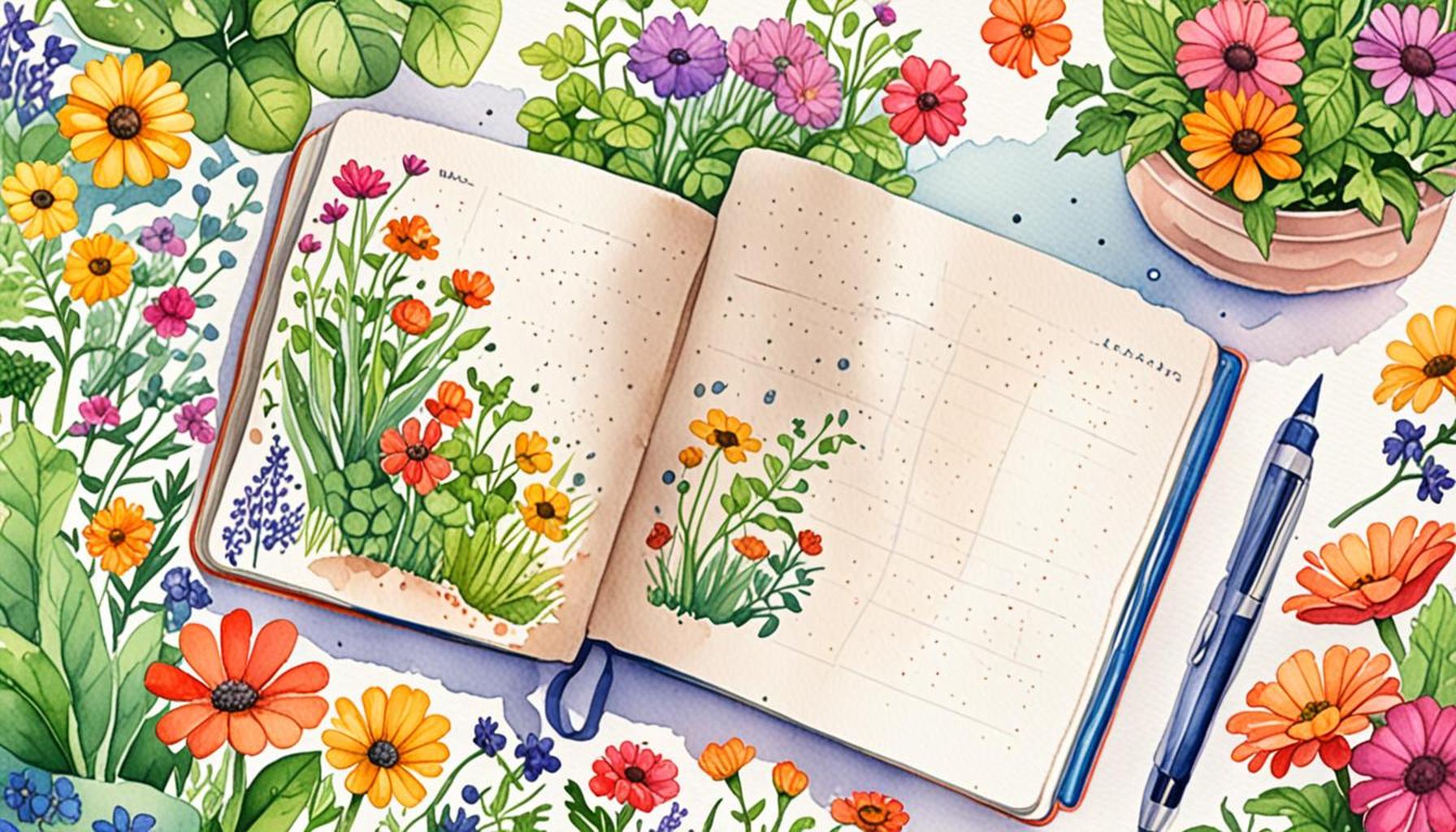
- Handwritten Notebook: Many gardeners find that penning their thoughts allows for deeper reflection and creativity. It can be personalized with drawings, pressed flowers, or clippings from magazines.
- Digital Apps: There are several gardening-specific applications available that allow for easy tracking and editing. These can often sync across devices, making your journal accessible anywhere.
- Spreadsheets: For the numbers-oriented gardener, using Excel or Google Sheets provides structured organization. You can create customized templates to track various metrics like plant growth and environmental data.
2. Set Regular Entry Intervals
Consistency is key when it comes to keeping a gardening journal. Establish a routine for making entries, which could align with your gardening activities. Options to consider include:
- Weekly Entries: A weekly reflection can keep you attuned to the evolving states of your plants and surrounding environment.
- Seasonal Reviews: At the end of each season, summarize what went well and what didn’t. This broader view can offer insights into your overall garden health and performance.
3. Focus on Specific Details
When making entries in your journal, remember that details matter. The more specific you are, the more useful your journal will be. Here are some critical aspects to document:
- Plant Varieties: List the types of plants you are growing, including varieties, which can uniquely perform based on your local climate.
- Dates: Note when you plant, when you harvest, and even when pests or diseases appear; this helps in identifying patterns over time.
- Tending Practices: Record your watering schedules, fertilization routines, and any pest control measures. Understanding these practices will help you refine your approach for future gardening cycles.
As you fill your journal with information, remember to include personal reflections on your experiences. This is where the true value of feedback comes in. The insight you gain through thoughtful analysis will enhance your knowledge and improve your gardening skills. As your journal evolves, it becomes a trusted companion in your gardening journey, guiding you toward success.
The Role of Personal Feedback in Gardening Journals
Creating a gardening journal goes beyond mere documentation; it allows beginners to actively engage with their plants and the gardening process. One of the most vital ingredients in this journey is personal feedback. By observing growth patterns, soil performance, and plant health, novice gardeners can recognize what works and what doesn’t, leading to refined practices over time.
Tracking Growth and Development
When beginners regularly note their observations, they build a valuable record that highlights successful techniques. For instance, noting the dates of planting, weather conditions, and plant responses helps develop a stronger understanding of seasonal cycles. Such meticulous records can reveal the perfect planting windows as well as preferred care routines for specific plants.
Encouraging Reflection and Adaptation
Moreover, personal feedback fosters an environment of continual learning. As gardeners assess their notes, they may find recurring challenges such as pest infestations or nutrient deficiencies. This reflection leads to strategic adaptations, such as experimenting with organic fertilizers or modifying watering schedules. This iterative process of trial and error is what solidifies a gardener’s intuitive knowledge.
Promoting Creativity and Innovation
Beyond basic record-keeping, gardening journals encourage creativity. Beginners can jot down ideas for new garden layouts, experiment with companion planting, or even sketch designs for a flowerbed. Such artistic expressions not only enhance personal satisfaction but can also yield unexpected beauty in the garden.
Connecting with the Gardening Community
Ultimately, sharing these journal entries with fellow gardeners creates opportunities for community feedback. Engaging discussions about what works in various environments lead to valuable insights and a sense of belonging among fellow gardening enthusiasts. This communal aspect can significantly boost motivation and foster a spirit of collaboration.
| Category | Advantages |
|---|---|
| Observation | Enables insight into plant health and growth trends. |
| Reflection | Encourages learning through analyzing success and failures. |
| Creativity | Fosters innovative garden designs and layout experimentation. |
| Community Engagement | Connects gardeners for shared knowledge and motivation. |
The amalgamation of these factors emphasizes the importance of a gardening journal, which acts not only as a personal record but also as a dynamic tool for growth, creativity, and community involvement.
DIVE DEEPER: Click here to enhance your gardening journey
The Power of Personal Reflection in Your Gardening Journal
As you continue to document your gardening journey, the importance of personal feedback cannot be overstated. This reflective process not only tracks your plants’ progress but also deepens your understanding of what works and what doesn’t in your unique gardening environment. Here’s how to maximize the benefits of personal feedback in your gardening journal:
1. Record Successes and Failures
Every gardener, regardless of experience, faces challenges. By accurately logging both successful outcomes—like a bountiful tomato harvest—and failures, such as struggling basil or a neglected flower bed, you create a comprehensive picture of your gardening efficacy. Incorporating both aspects allows you to:
- Identify Patterns: Over time, you may notice trends, such as which plants thrive in specific seasons or conditions.
- Learn from Mistakes: Understanding why certain plants didn’t live up to expectations can help prevent future missteps.
- Celebrate Milestones: Documenting wins can serve as motivation to keep experimenting and investing in your garden, encouraging continued growth.
2. Use Feedback to Experiment and Adapt
Your gardening journal should be a place of experimentation. Once you’ve reviewed your entries, consider making adjustments based on your findings. This could involve:
- Trying New Varieties: If a particular plant has consistently underperformed, research alternative varieties that might better suit your growing conditions.
- Altering Techniques: If you notice your watering schedule causes issues, try documenting different frequencies or methods (like drenching vs. light watering) and record any changes in plant health.
- Adjusting Plant Placement: If certain plants struggle for light or nutrients where they are currently positioned, experimenting with their placement can lead to discoveries and growth.
3. Enhance Creative Expression
Your gardening journal can be a canvas for creativity, integrating both plant care and personal expression. As you reflect, consider:
- Photos and Sketches: Take photos of distinct plant phases or sketch layouts of your garden for future reference. Visual representation can often reveal information that words alone cannot capture.
- Writing Reflections: Include descriptive passages about your feelings during the gardening process—perhaps a rainy day that brought unexpected growth or a sunny afternoon spent pruning herbs finding peace in nature.
- Inspiration Quotes: Stitch in quotes or affirmations that resonate with your gardening philosophy. This adds a personal touch and can serve as motivation during tougher gardening seasons.
4. Seek Community Feedback
While personal feedback is essential, connecting with the broader gardening community can amplify your learning experience. Consider:
- Joining Local Gardening Clubs: Many communities host clubs where enthusiasts gather to exchange tips and share their journeys.
- Online Forums: Websites like Reddit or gardening-specific forums are fantastic for garnering a variety of perspectives, from plant selection to pest control strategies.
- Social Media Groups: Platforms like Facebook or Instagram offer a vibrant visual and conversational space to engage with seasoned gardeners and novices alike.
By enriching your gardening journal with personal reflections and engaging with the community, you will cultivate not only a thriving garden but a meaningful relationship with your gardening practices. This holistic approach will undoubtedly lead to greater confidence as you nurture your green thumb.
DIVE DEEPER: Click here to learn more
Bringing It All Together: The Vital Role of Feedback in Your Gardening Journal
In the world of gardening, a journal is more than just a log; it serves as a personal guide, a canvas for creativity, and a powerful tool for learning. As we explored, personal feedback fosters a deeper understanding of your unique growing conditions and encourages you to adapt your practices. By documenting both triumphs and challenges, you not only pinpoint what works best in your garden but also build resilience through perseverance.
Looking through past entries, you’ll notice valuable trends that reveal the rhythm of your gardening journey. Experimenting with new techniques and listening to your plants will not only enhance your gardening skills but may also lead to unexpected discoveries. The incorporation of creative elements—like sketches and reflections—offers an enriching experience that turns your gardening journal into a true representation of your growth as a gardener.
Furthermore, actively engaging with the gardening community enables you to gather diverse insights and perspectives, creating a robust foundation of knowledge that extends beyond personal experiences. From local clubs to online platforms, the exchange of ideas is instrumental in shaping your gardening expertise.
As you embark on this journey, remember that every entry in your gardening journal is a stepping stone toward becoming a more knowledgeable and confident gardener. By embracing the importance of personal feedback, you create not just a record of plants but a narrative of growth, learning, and personal achievement. So, grab that notebook, start jotting down your experiences, and trust the process; your garden will thank you for it.