How to face and overcome pests and diseases in your home garden
Understanding the Threats to Your Garden
Your home garden is not just a place for growing vegetables and flowers; it is an ecosystem that can become imbalanced due to the intrusion of pests and diseases. These threats can quickly undermine your efforts if not addressed promptly and effectively. Gaining insight into how to identify, prevent, and manage these challenges is essential for nurturing a vibrant garden. This proactive approach not only safeguards your plants but also enhances the overall vitality of your green space.
Common Garden Pests
Among the myriad of potential threats, some pests are notably pervasive and can cause substantial harm to your plants if left unchecked. Consider the following:
- Aphids: These minute, sap-sucking insects are often found in clusters on young shoots and leaves. Their feeding can lead to curled, discolored leaves and stunted growth. Moreover, aphids can transmit plant viruses, making them a dual threat.
- Powdery Mildew: This fungal infection presents as a white, powdery coating on leaves, thriving in warm, dry conditions. It can impede photosynthesis, leading to reduced plant vigor and, if unchecked, may result in plant death.
- Spider Mites: Often too tiny to see without a magnifying glass, these pests can wreak havoc on your garden, particularly during hot, dry weather. Infestations may cause speckled leaves and weak, unhealthy plants.
Early Identification is Key
Recognizing the signs of pest infestations or diseases early can make all the difference. This means conducting regular inspections throughout your garden. Look for unusual spots on leaves, webbing, or discoloration, and take note of any changes in plant growth. Catching issues early allows you to intervene before they escalate.
Implementing Preventive Strategies
Preventing pests and diseases is often more effective than treating them. Here are some vital strategies that every gardener should consider:
- Crop Rotation: Changing the types of plants that grow in a particular area each season helps prevent soil depletion and disrupts the life cycles of pests and diseases. For example, alternating heavy feeders like tomatoes with legumes that enrich the soil can cultivate a healthier garden.
- Companion Planting: This method involves planting certain species together that can naturally deter pests. For instance, marigolds can repel nematodes and other harmful insects when planted alongside vegetables.
- Organic Solutions: Turning to natural remedies can be an effective means of controlling pests. Neem oil can disrupt the life cycles of many pests, while insecticidal soap works well for aphids and spider mites, offering environmental benefits over chemical pesticides.
Understanding Environmental Factors
Beyond addressing pest threats, it’s crucial to grasp the environmental conditions that foster diseases. Factors such as high humidity, overcrowding, and inadequate air circulation can contribute significantly to plant health issues. By educating yourself on these conditions and adjusting your gardening practices, you can create a resilient ecosystem.
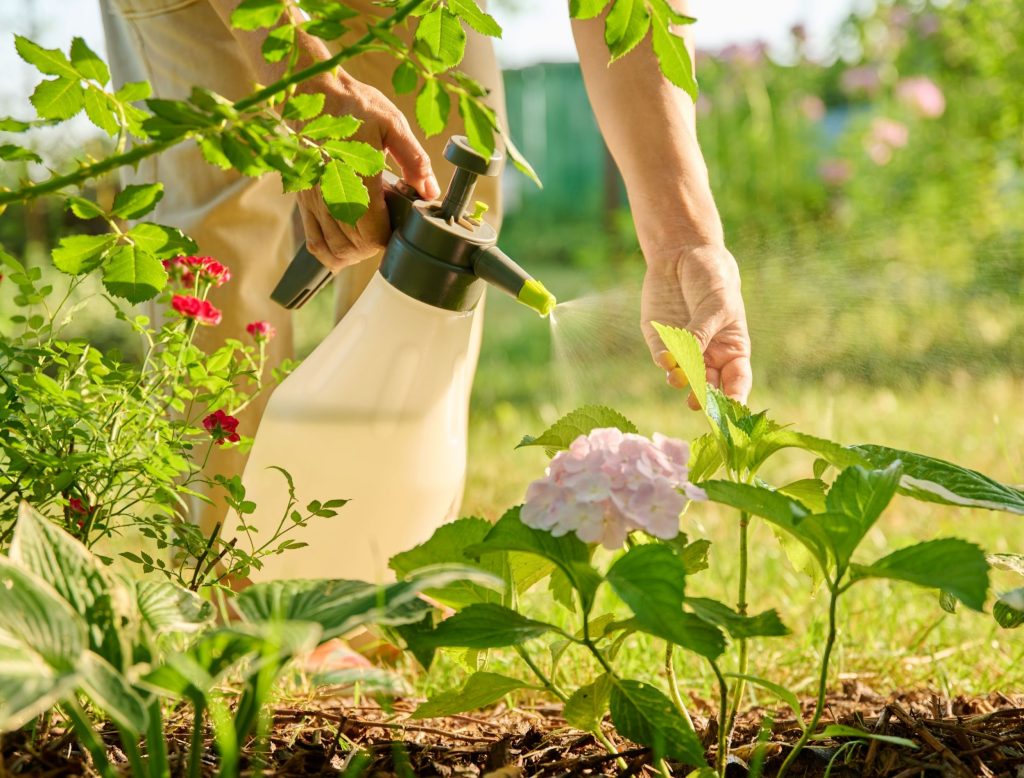
Ultimately, by becoming knowledgeable about the common threats to your home garden and adopting proactive measures, you can enhance your plants’ resilience. Dive deeper into the world of gardening, explore innovative solutions, and reclaim the beauty and bounty of your green sanctuary.
DISCOVER MORE: Click here to enhance your gardening skills
Taking Action Against Pests and Diseases
As you embark on your gardening journey, understanding how to tackle pests and diseases becomes essential. While every garden is vulnerable to these threats, proper management can transform a struggling plot into a thriving oasis. Identifying signs, implementing effective control measures, and maintaining your garden’s health will empower you to protect your hard work and investment.
Identifying Signs of Infestation
The first step in overcoming pests and diseases is to train your eye to spot the signs of trouble early on. Regular monitoring will help you catch these issues before they spiral out of control. Here are some indicators to look for:
- Unusual Leaf Discoloration: Yellowing or browning leaves can indicate nutrient deficiencies or pest activity. Look for patterns; a sudden change could point to a specific problem.
- Stunted Growth: If your plants are not thriving despite optimal care, underlying pest infestations or diseases may be to blame. Take a moment to examine the roots and foliage for abnormalities.
- Visible Pests: Insects like aphids, caterpillars, and beetles are often visible to the naked eye. Pay close attention to the undersides of leaves, where many pests like to hide.
Understanding and Managing Diseases
Diseases in plants can arise from various sources, including pathogens transmitted through soil, water, or even pests. Here are some common diseases and their management strategies:
- Leaf Spot: Typically resulting from fungal infection, leaf spot manifests as dark, round spots on leaves. Ensure proper spacing between plants to enhance airflow and reduce humidity, which aids in disease prevention.
- Root Rot: Often caused by overwatering or poor drainage, root rot can quickly devastate your plants. To combat this, ensure your garden has adequate drainage and avoid watering when the soil is still moist.
- Blight: This abrupt collapsing of plant tissue can strike quickly and severely. Consider using resistant plant varieties and practicing crop rotation to minimize recurrence.
Organic vs. Chemical Control Measures
As you strategize on how to face pests and diseases, remember you have options regarding control measures. Two principal categories exist: organic and chemical solutions. Organic options are environmentally friendly and include:
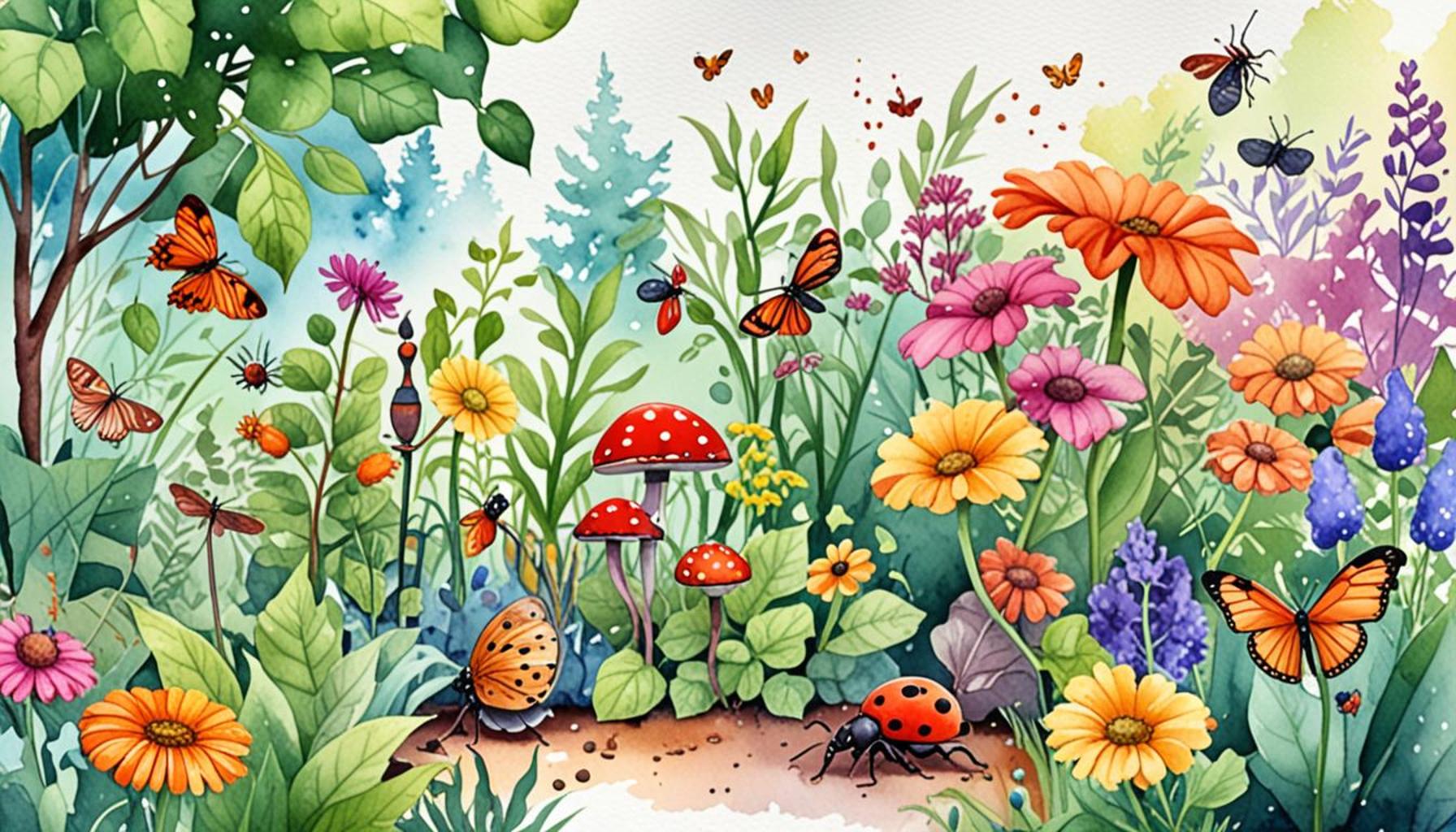
- Beneficial Insects: Ladybugs and lacewings prey on aphids and other harmful insects, making them excellent allies in your battle.
- Homemade Sprays: Simple mixtures of soap and water can thwart soft-bodied insects while being safe for your plants.
- Horticultural Oils: These oils suffocate pests upon contact and are effective if applied regularly.
On the other hand, chemical solutions might offer quicker results but can pose risks to beneficial insects and the environment. Be cautious and consider them as a last resort.
Understanding how to face and overcome pests and diseases in your home garden is a continuous adventure. By staying vigilant, employing the right strategies, and making informed choices, you ensure that your garden remains healthy and productive, allowing it to flourish season after season.
| Pest Management Techniques | Preventive Solutions |
|---|---|
| Natural Predators | Encouraging beneficial organisms such as ladybugs and lacewings can naturally reduce pest populations. |
| Companion Planting | Pairing plants strategically can deter pests and promote healthier growth. |
| Organic Pesticides | Utilizing natural substances helps manage infestations without harming the ecosystem. |
| Regular Monitoring | Keeping a watchful eye on plants helps in early detection of pests and diseases. |
Understanding pest management techniques is crucial for maintaining a thriving garden. Utilizing natural predators and companion planting can greatly enhance resistance to pests. Furthermore, opting for organic pesticides minimizes environmental impact and supports beneficial insect populations. Implementing a routine of regular monitoring ensures that any issues are caught early, preventing larger outbreaks and preserving the health of the garden.For those eager to learn more about each strategy’s effectiveness and the best practices to adopt, there are numerous resources and community forums dedicated to eco-friendly gardening. Each method not only fights pests but also enriches the garden’s overall health, ensuring budding gardeners flourish in their green endeavors.
DIVE DEEPER: Click here to discover how continuous learning can elevate your gardening skills
Proactive Prevention Strategies
While understanding how to address pests and diseases in your home garden is crucial, prevention is often the best solution. By implementing proactive strategies, you can significantly reduce the risk of infestations and infections. Here are some methodologies that every gardener should consider integrating into their routine.
Creating a Healthy Environment
Healthier plants are less susceptible to diseases and pests. Fostering an optimal growing environment can dramatically enhance your garden’s resilience:
- Soil Health: Investing in high-quality soil and organic matter such as compost can lead to thriving plant life. Regularly incorporating organic material enriches the soil’s nutrient supply and microbial diversity.
- Proper Watering Techniques: Instead of frequent shallow watering, opt for deeper, less frequent sessions. This encourages roots to dig deeper and leads to stronger, more resilient plants.
- Crop Rotation: Rotating crops each season helps break the life cycles of pests and diseases, preventing them from establishing a permanent presence in your garden.
Companion Planting
Another innovative approach to pest and disease management is companion planting, a technique where certain plants are grown together for mutual benefits. For instance:
- Marigolds: Known for repelling nematodes and aphids, these vibrant flowers can be great companions to many vegetable varieties.
- Basil and Tomatoes: Basil not only enhances the flavor of tomatoes but also protects them from tomato hornworms and whiteflies.
- Garlic: Planting garlic near roses or carrots can deter aphids and other pests that threaten these beloved plants.
Understanding the dynamics of your plants in relation to each other can lead to a more harmonious, productive garden.
Regular Maintenance and Monitoring
Your garden requires regular care and detailed attention. Setting up a routine can help avoid the onset of serious issues:
- Frequent Inspections: Allocate time to inspect your plants daily or every few days. This ensures that you catch any early signs of trouble and can act promptly.
- Removing Debris: Regularly clear away fallen leaves and decaying plant matter, which can harbor pests and diseases, leading to an unhealthy garden ecosystem.
- Pruning: Trim back any dead or diseased foliage to improve air circulation around plants, reducing humidity and the risk of fungal infections.
Educational Resources and Community Support
Gardening is inherently a learning journey. Utilizing available resources can deepen your understanding of pest and disease management:
- Local Extension Services: Many states offer cooperative extension programs filled with expert advice tailored specifically for local gardeners, providing insights on pest management strategies.
- Online Forums and Workshops: Engaging with fellow gardeners through online forums or attending local gardening workshops can provide valuable tips and success stories that can enhance your skills.
- Gardening Books and Blogs: Numerous books and websites dedicate themselves to organic gardening, offering a wealth of knowledge on pest management solutions.
In summary, proactive prevention strategies, involving environmental considerations, planting techniques, routine maintenance, and educational resources, play an integral role in successfully managing pests and diseases in your home garden. The more informed you are, the better equipped you will be to face the challenges that may arise during your gardening endeavors.
DISCOVER MORE: Click here to learn how gardening can enhance your coping skills
Conclusion
Confronting pests and diseases in your home garden need not be a daunting task. By implementing an array of effective strategies, you can cultivate a vibrant and resilient garden. Proactive measures such as maintaining soil health, adopting proper watering techniques, engaging in crop rotation, and exploring the benefits of companion planting will undoubtedly enhance your garden’s defenses. Regular maintenance, characterized by frequent inspections and clearing away debris, further fortifies your plants against potential threats.
The journey of gardening combines both art and science, where every challenge faced serves as an opportunity for growth. Emphasizing education through local extension services, online forums, and gardening literature is essential. These resources can offer invaluable insights tailored to your specific environment and help you remain vigilant against pests and diseases.
Ultimately, embracing these strategies not only empowers you to effectively face pests and diseases but also fosters a more sustainable gardening practice. Whether you possess a small balcony garden or a sprawling backyard, a well-informed gardener is always prepared. As you tread further along this path, remember that overcoming challenges can yield fruitful rewards, transforming your garden into a healthy ecosystem filled with flourishing plants. Dive deeper into your gardening endeavors, explore innovative solutions, and relish the satisfaction that comes from nurturing your home garden.