
Soil Feedback: Interpreting Soil Tests to Optimize Plant Growth at Home

Understanding the Foundation of Your Garden
Soil is the foundation of any garden, playing a pivotal role in determining the success of your plants. By understanding the intricacies of your garden’s soil, you set the stage for vibrant plant life and a flourishing ecosystem right in your backyard. Soil testing has emerged as an indispensable tool for gardeners; it allows both novice and seasoned horticulturists to unlock the hidden potential of their soil and make informed decisions tailored to their specific needs.
Soil tests can simplify what might seem like a complex chemistry lesson into essential insights about your earth. These tests provide a comprehensive overview of several crucial factors, including:
- Nutrient Levels: Essential elements like nitrogen, phosphorus, and potassium are critical for plant development. For instance, nitrogen is vital for leafy growth, phosphorus promotes root establishment and flowering, while potassium helps with overall plant health and disease resistance.
- Soil pH: This measurement indicates the acidity or alkalinity of the soil and profoundly affects how well plants can absorb nutrients. Most garden plants thrive in a pH range of 6 to 7, while some, like blueberries, prefer more acidic conditions. Understanding your soil’s pH can inform your amendments and fertilization practices.
- Organic Matter: The presence of organic matter is a vital indicator of soil health. High organic content not only improves moisture retention but also enhances soil structure and promotes beneficial microbial activity essential for nutrient cycling.
In the United States, many homeowners neglect the critical step of soil testing. Without this knowledge, they may unknowingly apply the wrong fertilizers or amendments, leading to poor plant performance or even environmental harm. Armed with the insight provided by soil testing, you can make strategic decisions about what to plant and when to amend your soil, ensuring that you cultivate a thriving garden, whether you’re growing a vegetable patch in your backyard or a vibrant flower garden in a community space.
When you understand your soil’s specific patterns and requirements, you can:
- Enhance Plant Health: For garden enthusiasts, knowing the exact nutrient needs of your plants means you can provide the right resources at the right times, promoting robust growth and flowering.
- Prevent Fertilizer Overuse: By tailoring your fertilizer usage based on soil test results, you can save money and minimize unnecessary environmental impacts, such as runoff that can pollute local waterways.
- Boost Yields: Farmers and gardeners alike can benefit from soil knowledge, optimizing conditions to maximize harvests and ensure sustainable practices.
As we explore the art of soil testing, you will gain valuable insights into interpreting your results effectively. Understanding your soil’s composition can transform your gardening experience, leading to healthier plants and a more vibrant, sustainable landscape. Don’t miss the chance to unlock the secrets beneath your feet; a wealth of knowledge awaits you in that dark, rich soil!
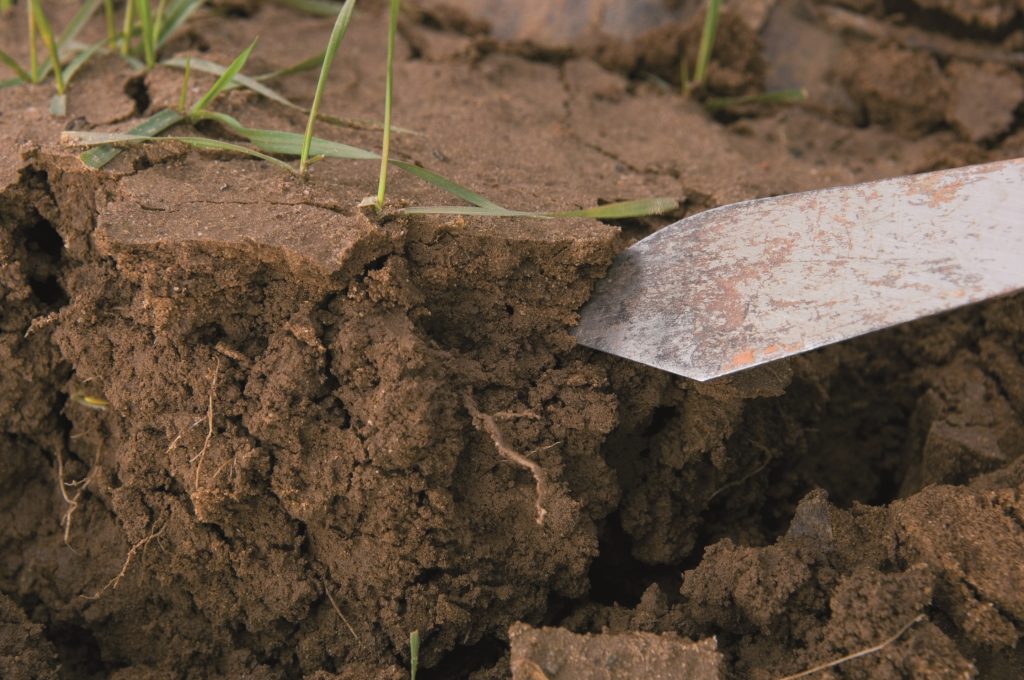
DISCOVER MORE: Click here for essential tips
Decoding Your Soil Test Results
Once you’ve taken the crucial step of obtaining a soil test, the next challenge lies in understanding the results. Soil testing reports can appear overwhelming at first glance, often filled with numbers and technical jargon. However, breaking down these findings can reveal invaluable insights about your garden’s needs, guiding you on how to optimize plant growth effectively.
The foundation of your soil test report typically includes three key categories: macronutrients, micronutrients, and soil properties. Familiarizing yourself with these categories will empower you to make informed choices that benefit your plants.
Nutrient Levels: Macronutrients and Micronutrients
At the heart of any soil test are the macronutrients: nitrogen (N), phosphorus (P), and potassium (K). These nutrients play critical roles in plant health:
- Nitrogen: Often noted as the first number on the fertilizer label, nitrogen promotes healthy leaf and stem growth. A deficiency can result in yellowing leaves, while excess nitrogen can lead to lush foliage with fewer flowers or fruit.
- Phosphorus: The middle number on a fertilizer label, phosphorus is essential for strong root development and blooming. Low phosphorus levels may hinder flowering plants and overall vigor.
- Potassium: The last number in the N-P-K ratio aids in overall plant function such as water retention, enzyme activation, and disease resistance. Knowing your soil’s potassium level helps ensure your plants remain resilient.
While macronutrients are paramount, don’t overlook the importance of micronutrients, such as iron, magnesium, and zinc. These are required in smaller quantities, yet they are essential for processes like photosynthesis and nutrient absorption. Deficiencies in micronutrients can lead to peculiar plant symptoms, such as leaf discoloration or stunted growth.
Understanding Soil pH: The Gateway to Nutrient Availability
The pH level of your soil is another crucial figure to consider. It quantifies the acidity or alkalinity of your soil, impacting nutrient availability and microbial activity. Most garden plants thrive in a pH range of 6 to 7, where nutrients are readily accessible. If your soil pH is too low (acidic) or too high (alkaline), certain nutrients can become fixated or unavailable to plants, leading to deficiencies or toxicities.
For example, azaleas and rhododendrons prefer slightly acidic soils with a pH of 5.5 to 6.0, while most vegetables do well at a neutral pH. If your test indicates imbalance, corrective actions can include adding lime to raise pH or elemental sulfur to lower it, putting your garden back on the path to health.
By understanding and interpreting these key components of your soil test results, you can create a tailored plan to optimize plant growth in your home garden. This knowledge not only enhances the aesthetic appeal of your space but also contributes to a more sustainable and productive gardening approach.
Understanding Soil Nutrients
Interpreting soil tests effectively requires a clear understanding of the key nutrients that are essential for plant health. Soil tests typically measure pH, nitrogen (N), phosphorus (P), and potassium (K) levels, among other minerals. These elements play critical roles in plant growth and can significantly affect yield and health.
The pH level indicates the acidity or alkalinity of the soil, influencing nutrient availability. Most plants thrive in a pH range of 6.0 to 7.0, where nutrients are more accessible. If your soil is too acidic or alkaline, you can amend it with lime or sulfur to create a more balanced environment for planting.
Nitrogen is vital for vegetative growth as it promotes lush foliage and overall vitality. A deficiency can lead to stunted growth and yellow leaves, while too much nitrogen can harm the plant and reduce fruit quality. Regular testing can guide you in applying the right amount of nitrogen-rich fertilizers.
Phosphorus affects root development, flowering, and fruiting, while potassium regulates various physiological processes. Identifying deficiencies in these macronutrients can help optimize the timing and type of fertilizers you should use, fostering healthier plants.
Benefits of Soil Testing
Regular soil testing helps homeowners make informed decisions regarding their gardening practices. It eliminates guesswork regarding amendments needed to improve soil quality. Also, understanding the nutrient levels can lead to cost-effective gardening, as you avoid overspending on unnecessary fertilizers.In addition to macronutrients, soil tests can also reveal deficiencies in micronutrients like magnesium, calcium, and iron, which are crucial for overall plant health. Micronutrient deficiencies can lead to specific symptoms, such as chlorosis or leaf curling, giving clues about how to address the issues effectively.By combining soil tests with targeted amendments, you create a personalized approach to gardening. This not only optimizes plant growth but also contributes to sustainable practices by minimizing environmental impact, allowing for a vibrant, healthy garden at home.
| Category | Advantages |
|---|---|
| Nutrient Optimization | Ensures plants receive essential nutrients for optimal growth. |
| Cost-Effective Gardening | Reduces excess spending on fertilizers by identifying actual needs. |
| Sustainable Practices | Encourages responsible use of resources, promoting environmental health. |
Regular soil testing is a critical step in nurturing a flourishing garden, allowing homeowners to better understand their soil conditions and lead their plants to thrive. Discovering the intricate relationship between soil health and plant vitality can inspire a deeper appreciation for home gardening practices.
DISCOVER MORE: Click here to enhance your plant care motivation
Soil Texture: The Unsung Hero of Plant Health
In addition to nutrient levels and pH, understanding soil texture is vital for optimizing plant growth. Soil texture refers to the proportion of sand, silt, and clay in your soil, and it significantly influences water retention, drainage, and aeration. A soil test will often classify your soil texture, which can range from sandy to clay-like. Each type of texture supports different growing conditions.
The Three Amigos: Sand, Silt, and Clay
Sandy soils are characterized by larger particles and allow for quick drainage but may struggle with nutrient retention. This type of soil warms up quickly in spring, making it ideal for early planting, especially for crops such as carrots and onions. However, frequent watering and fertilization are essential to maintain soil fertility.
Silt soils sit in the middle of the texture spectrum, offering a balance of good drainage and moisture retention. They are often rich in nutrients and ideal for vegetables like tomatoes and peppers. Understanding the silty composition can help gardeners leverage its advantages while avoiding waterlogging, which can lead to root rot.
Clay soils, on the other hand, contain tiny particles that pack tightly together. While they hold nutrients and moisture well, they can create challenges for drainage and aeration. This makes them suitable for retaining water-hungry plants like rice but can hamper growth for plants that prefer well-drained conditions. Amending clay soils with organic matter can improve aeration and drainage, benefiting plant roots.
Organic Matter: The Nutrient Dense Booster
Another critical aspect of your soil test results to consider is the level of organic matter present in your soil. Organic matter includes decomposed plant and animal materials, and it plays a pivotal role in soil health. A healthy percentage of organic matter can enhance soil structure, nutrient availability, and water retention. In general, a soil composition with 3-5% organic matter is considered optimal for most home gardens.
To boost organic matter, consider adding compost or well-rotted manure to your garden. These amendments not only enrich the soil with nutrients but also promote diverse microbial life, which is essential for breaking down organic materials and enhancing nutrient cycling. The presence of robust microbial activity helps plants absorb nutrients more efficiently, leading to healthier and more resilient crops.
Conducting Regular Soil Tests
After decoding your soil test, you may wonder how often you should conduct this vital analysis. Performing a soil test every three years is recommended, depending on the crops you grow and the amendments you introduce. Seasons can also alter nutrient levels, so testing fallow areas prior to planting can optimize resources for the following growing season.
In some cases, seasonal changes may shift your soil’s acidity or nutrient levels. Early spring tests can help you time your amendments before the growing season unfolds, while fall tests allow you to assess nutrient profiles after harvest. The cyclical nature of gardening necessitates careful monitoring of your soil’s unique characteristics.
In summary, an informed understanding of soil texture, organic matter, and regular testing can profoundly influence the growth of your plants. This knowledge allows you to tailor your cultivation practices to enhance your home garden’s overall health and productivity, creating a sustainable ecosystem that thrives for seasons to come.
DIVE DEEPER: Click here to enhance your gardening skills
Conclusion: Harnessing Soil Feedback for Thriving Gardens
In the realm of home gardening, understanding the intricacies of soil feedback through interpretation of soil tests can truly make a difference in plant growth and health. By recognizing the essential components of your soil—such as texture, organic matter, and nutrient levels—you can create an environment where plants flourish. The journey to a bountiful garden begins with these essential evaluations, enabling you to make informed decisions on amendments and management practices tailored to your unique soil characteristics.
Regular soil testing serves as a vital tool in your gardening arsenal, allowing you to stay attuned to seasonal changes and nutrient fluctuations. Whether you’re cultivating a vibrant vegetable patch or a beautiful flower bed, a proactive approach to monitoring soil health will enhance your garden’s resilience against pests and diseases while maximizing yields. By regularly conducting tests and addressing the specific needs of your soil, you unlock the potential for growing robust plants that are more equipped to thrive in their environment.
Moreover, cultivating a healthy balance of organisms in your soil through organic matter enrichment not only boosts nutrients but also promotes a thriving ecosystem that benefits all aspects of your garden. So as you embark on or continue your gardening journey, remember that the foundation lies beneath your feet. Invest time in understanding your soil, and in return, it will reward you with an abundant and flourishing landscape that brings joy and sustenance season after season.