Transforming Challenges into Opportunities: Gardening Lessons for Beginners
The Journey of Gardening as a Formative Experience
Every seasoned gardener begins their journey as a novice, confronting the challenges inherent in nurturing plants from mere seeds. This process not only involves cultivating soil but also embodies a series of transformative lessons that instill vital life skills such as resilience, patience, and a touch of innovation. Embracing the obstacles in gardening can convert setbacks into stepping stones, enhancing both the vitality of your plants and your personal growth journey.
Let’s delve deeper into the essential lessons that every beginner gardener is likely to face:
- Soil Quality: The foundation of any garden lies in its soil. Beginners may discover that poor soil conditions can significantly hinder plant growth. For instance, clay-heavy soil often retains too much moisture, leading to root rot, while sandy soil may drain too quickly, causing nutrient loss. By learning to improve soil through the incorporation of organic matter—like compost or peat moss—beginners can enhance soil structure, drastically boosting plant health and resilience. Examples of amendments include adding worm castings for additional nutrients or using mulch to retain moisture and suppress weeds.
- Pest Management: Encountering pests is a common frustration among new gardeners. Aphids, for instance, can unexpectedly invade tender new buds, causing alarm. However, these encounters provide a unique opportunity to learn about integrated pest management (IPM), which emphasizes sustainable practices. Techniques may include introducing beneficial insects, such as ladybugs, that naturally prey on pests, or using organic deterrents, like neem oil, to protect plants without harming the environment. This shift towards a more sustainable mindset can transform a novice’s frustration into a holistic understanding of the ecosystem.
- Weather Variability: One of the most unpredictable aspects of gardening is the weather. Sudden frost can devastate early blooms, while unexpected heatwaves can stress young plants. By adapting to these challenges, gardeners learn to cultivate flexibility and strategic planning skills. For instance, planting cold-hardy varieties early or using row covers can protect crops from frost, while providing shade for delicate plants or ensuring adequate irrigation during heat events can mitigate stress on vulnerable species. These adaptations not only enhance gardening success but also cultivate a mindset ready to tackle unforeseen challenges in life.
As novice gardeners navigate these hurdles, they cultivate not only thriving plants but also a framework for problem-solving and creativity. Each setback met in the garden unveils opportunities for learning and adaptation, paving the way for future successes.
Through practical advice and insightful anecdotes, we’ll explore how to overcome common gardening obstacles. With each challenge turned into a triumph, the journey of gardening can become a rewarding experience, transforming personal spaces and nurturing resilience. So, as you embark on your gardening adventure, remember that every hiccup has the potential to blossom into not just a personal achievement but also a flourishing garden that reflects your growth along the way.
DIVE DEEPER: Click here to discover more resources
Essential Gardening Skills: From Challenges to Growth
Venturing into the world of gardening as a beginner can sometimes feel overwhelming. However, the hurdles encountered serve as essential stepping stones toward successful gardening. As novices grapple with various challenges, they inadvertently sharpen their skills and grow in compassion for the nurturing process. The learning journey in gardening is replete with enlightening moments, each presenting an opportunity to develop your green thumb. Here are more critical lessons and skills that can be cultivated through these initial challenges:
- Plant Selection: The vast array of plants available can be both exhilarating and confusing for beginners. Selecting the right plants for your local climate and soil type is crucial to achieving a thriving garden. Beginners might initially choose varieties that are less suited for their specific growing conditions, leading to disheartening results. However, this challenge offers an opportunity to conduct research and understanding of hardiness zones, which classify plants based on their adaptability to environmental conditions. Resources like the USDA Plant Hardiness Zone Map can guide novices in selecting plants that will flourish in their region.
- Watering Techniques: Understanding the intricacies of plant hydration is a common challenge that beginners face. Overwatering can be as detrimental as underwatering, leading to issues like root rot or wilting. By experimenting with different watering schedules and methods, such as drip irrigation or using soaker hoses, new gardeners learn to appreciate the delicate balance required for optimal plant health. Keeping a watering journal can further assist in tracking plant responses and enhancing watering strategies.
- Timing is Key: Patience is often tested when it comes to gardening, as proper timing significantly impacts outcomes. Beginners might rush into planting, only to later realize that they’ve missed optimal planting windows. Learning to read seed packets and local planting calendars empowers novice gardeners to make informed decisions about when to sow seeds, transplant seedlings, and harvest produce. By respecting nature’s timing, gardeners cultivate a deeper connection to the rhythms of growth.
As new gardeners embrace these lessons, they foster a nurturing mindset that is applicable beyond the garden. Developing skills such as research, adaptability, and patience transcends horticulture and nurtures personal growth. Understanding that each challenge can yield valuable insights allows amateur gardeners to build resilience and cultivate a sense of accomplishment. With every tiny sprout that pushes through the soil, there’s an underlying message that perseverance and innovation are the keys to success.
By leveraging these initial challenges, beginners set the stage for a lifetime of rewarding gardening experiences. Each flower that blooms and each vegetable that develops symbolizes not just a bounty harvested, but also an opportunity for personal growth and transformation. As we continue to explore more gardening lessons to guide beginners, remember that every obstacle is a potential opportunity waiting to be seized, enriching both your garden and your life.
| Category | Description |
|---|---|
| Garden Preparation | Effective soil management means understanding the importance of soil type and condition for successful gardening. Correct practices can turn barren patches into fruitful yields. |
| Embracing Challenges | Adversity in gardening often leads to growth. Learning to identify pest problems or tackle unfavorable weather can teach resilience and enhance your gardening skillset. |
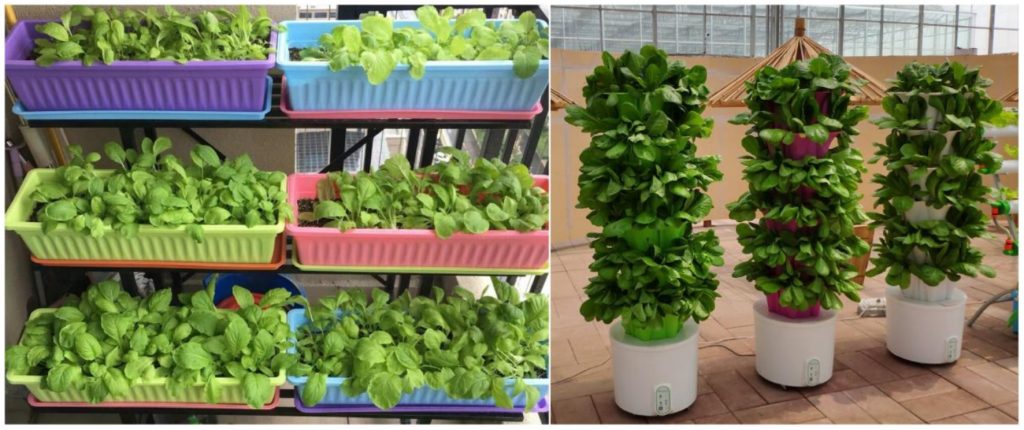
Gardening is not just about planting seeds; it’s about nurturing resilience through challenges. The journey of a beginner gardener often begins with a patchwork of obstacles—unpredictable weather, invasive pests, or limited space, for example. However, these very hurdles serve as valuable lessons, transforming novices into adept gardeners. By studying soil composition and implementing effective watering techniques, beginners can begin to understand how to cultivate a healthy garden despite challenges.Moreover, challenges in gardening can catalyze creativity. For instance, facing a space limitation can prompt innovative solutions like vertical gardening or container planting. Such methods not only maximize space but also make gardening accessible to everyone, regardless of their living situation. As beginners immerse themselves further, they discover that each challenge presents a unique opportunity for learning and growth. This mindset fosters a deeper connection with nature while enhancing their problem-solving skills, ultimately enriching their gardening experience. As participants delve into the world of gardening, they become equipped with not only practical skills but also the mindset to embrace change and see opportunities in every setback. This transformative journey can lead to bountiful gardens and lasting enjoyment in nurturing life.
LEARN MORE: Click here to enhance your garden
Navigating Setbacks: Resilience through Gardening
While many challenges in gardening can leave beginners feeling defeated, they also serve as valuable lessons in resilience and problem-solving. Each setback is an opportunity in disguise, allowing novice gardeners to cultivate both their plants and their inner strength. Here are additional hurdles that new gardeners encounter, along with ways to transform them into pivotal learning experiences:
- Pest Management: Encountering pests can be a nightmare for first-time gardeners. From aphids to caterpillars, these unwelcome critters can quickly devastate a flourishing garden. Instead of resorting to harsh chemicals, beginners have the chance to explore alternative pest management techniques. Learning to identify beneficial insects, such as ladybugs and lacewings, reinforces the importance of a balanced ecosystem. Implementing practices like companion planting, which pairs certain plants to deter pests, empowers gardeners while minimizing chemical use.
- Soil Health: The foundation of any thriving garden lies in its soil, yet many beginners underestimate its importance. Poor soil quality can lead to lackluster plant growth and even failures. Instead of viewing poor plant health as a setback, new gardeners can delve into the science of soil. Testing soil pH and nutrient levels, understanding the role of organic matter, and learning about composting can profoundly improve results. Often, the introduction of compost not only enhances soil quality but also connects gardeners to sustainable practices.
- Weather Challenges: Gardeners are at the mercy of the elements, and weather fluctuations can throw a wrench into plans. Unexpected frost, heat waves, or heavy rainfall can jeopardize young plants. Yet, such obstacles prompt beginners to develop adaptability skills and consider solutions such as using row covers or shade cloths to protect plants. By observing weather patterns throughout the seasons, gardeners can also make informed decisions about planting times and crop selection, further enhancing their gardening acumen.
Through these experiences, beginners learn to approach obstacles with a creative mindset. The discovery of innovative solutions not only enhances gardening prowess but also translates into life skills. For instance, becoming adept at pest management fosters critical thinking, often requiring research and experimentation—a valuable asset in any walk of life.
Additionally, every challenge overcome in the garden can serve as a confidence booster. Knowing that you have the ability to tackle and solve issues reinforces a belief in one’s capabilities. This newfound confidence can inspire amateur gardeners to tackle more ambitious projects, from creating intricate landscaping designs to growing a wider variety of crops. Moreover, as gardeners engage in community exchanges where they share tips and tricks, they cultivate a sense of belonging and support, reinforcing the idea that gardening is not merely a solitary endeavor but a community-influenced adventure.
As beginners navigate the trials and tribulations of gardening, they gradually uncover a profound truth: challenges are not roadblocks but rather pivotal opportunities for growth and knowledge. The journey of gardening reflects the nuances of life itself—a continuous cycle of striving, overcoming, and flourishing amidst adversity. In embracing this mindset, novice gardeners can transform their outdoor spaces into vibrant reflections of resilience and resourcefulness, proving that every struggle can indeed blossom into a flourishing opportunity.
EXPLORE MORE: Click here to discover valuable resources
Embracing the Growth Journey
In conclusion, transforming challenges into opportunities is the essence of gardening, particularly for beginners who are just embarking on their green-thumb journey. Each hurdle faced, whether it be pest infestations, soil issues, or unpredictable weather, becomes a stepping stone to greater knowledge and skill. By approaching these challenges with a mindset geared towards resilience and creativity, novice gardeners learn to embrace innovation and resourcefulness in both their gardens and wider lives.
The skills developed through gardening—analytical thinking in pest management, scientific exploration of soil health, and strategic adaptability regarding weather—are not only applicable to horticulture but transcend into everyday challenges. The sense of accomplishment gained from overcoming setbacks fosters a newfound confidence that encourages aspiring gardeners to pursue larger, more ambitious projects.
Additionally, the community network that gardening fosters offers invaluable support and shared wisdom, turning solitary struggles into collective experiences. The practice of exchanging tips and triumphs helps build a sense of belonging while highlighting the importance of collaboration in achieving success. Ultimately, as beginners nurture their plants, they also nurture their personal growth, demonstrating that every obstacle is indeed an opportunity for flourishing.
As you step into your own gardening adventure, remember that each difficulty encountered can lead to profound lessons in patience, creativity, and self-discovery. By cultivating not just plants but also personal resilience, the garden becomes a vibrant canvas of potential—where challenges truly blossom into opportunities.