Using Feedback from Friends and Gardening Communities to Enhance Your Techniques

Maximizing Your Gardening Skills through Collaboration
Gardening is not just about planting seeds and nurturing plants; it is an evolving art form that thrives on communal insight. Utilizing feedback from friends and gardening communities can lead to significant enhancements in your gardening techniques. Engaging with others in this shared passion can take your green thumb to the next level.
When you share your gardening experiences, you open doors to collective learning and improvement. Consider the following aspects:
- Fresh Perspectives: Friends and community members can offer unique insights into plant care you may have overlooked. For example, a neighbor experienced with native plants might suggest varieties that are better suited to your local climate, promoting healthy growth while conserving resources.
- Problem-Solving: Collaborating with others allows you to troubleshoot gardening issues more effectively, whether it’s dealing with persistent pests or enhancing soil fertility. For instance, participating in a gardening forum can expose you to organic pest control methods that have worked for others, like introducing beneficial insects or using homemade sprays.
- Sharing Resources: A vibrant gardening community often results in the sharing of seeds, plants, and tools that can help diversify your gardening methods. A local seed swap can be a fantastic way to acquire heirloom varieties that you might not find in stores, while also fostering a sense of camaraderie with fellow gardeners.
Moreover, taking advantage of online platforms and local gardening clubs can amplify your skills. Websites such as Reddit’s gardening forum or Facebook groups dedicated to gardening can be fertile ground for exchanging tips, showcasing your successes, and seeking advice for challenges you face. Feedback can range from constructive criticism—perhaps on layout and spacing—to enthusiastic praise for a blooming flowerbed, both of which are vital for your growth as a gardener.
Engaging with fellow gardeners not only broadens your knowledge but also fosters connections that enrich your planting journey. By participating in community events or workshops, you can learn the latest trends, from vertical gardening to aquaponics, bringing innovative techniques to your own space.
As you explore various gardening styles and strategies, remember: every piece of advice can plant a seed of potential. Dive deep into your community, attend local gardening events, or even start a garden club in your neighborhood, and watch your techniques flourish like a well-tended garden. The world of gardening is vast and inviting, and together, we can cultivate it to new heights.
DISCOVER MORE: Click here to learn how gardening can enhance your coping skills
The Power of Insights from Fellow Gardeners
Embracing feedback from friends and gardening communities can significantly improve your gardening techniques and outcomes. The wisdom shared among fellow enthusiasts often holds the key to success, serving as a wellspring of knowledge that transcends individual experiences. Here’s how tapping into this wealth of information can elevate your gardening game:
- Enhancing Plant Selection: Guidance from friends who share similar gardening conditions can significantly influence your choice of plants. For instance, a neighbor who has successfully grown disease-resistant tomato varieties may help you avoid common pitfalls and steer you toward cultivars with proven resilience in your local climate.
- Local Knowledge: Community gardening events and online forums are gold mines for localized advice. Members often swap insights about regional pests, soil conditions, and seasonal planting schedules. Engaging with local gardeners can lead you to discover which crops thrive best in your area and when is the ideal time for sowing them.
- Experimenting with Techniques: Learning about innovative techniques, such as companion planting or permaculture strategies, can come from community exchanges. Sharing successes and failures within your gardening circle gives you the confidence to try new approaches and see what works best for your specific environment.
- Encouragement and Motivation: Gardening can be a solitary endeavor, but sharing your challenges and victories with friends or online communities cultivates a support system. The positivity and encouragement you receive from your peers can help sustain your enthusiasm, especially during slow-growing seasons or challenges with pests and diseases.
Notably, many gardening communities have embraced social media platforms, allowing you to connect with a broader audience. Joining groups on Facebook, for example, not only gives you access to a plethora of resources but also places you in the company of others who share your passion. Here, you can share photographs of your work, ask specific questions, and even receive direct feedback on gardening layouts and plant health. This interactive environment fosters a sense of belonging while nurturing your growth as a gardener.
Furthermore, attending local workshops or seminars organized by gardening groups can provide hands-on learning experiences. These events often cover a range of topics—from organic gardening practices to sustainable landscaping—that can empower you to adopt new techniques and keep your gardening endeavors fresh and exciting. In these settings, you can build relationships with other local gardeners, providing a platform for ongoing conversation and collaboration around your shared interests.
Ultimately, the feedback you receive from friends and gardening communities is invaluable. By embracing the camaraderie and shared knowledge within these networks, you can cultivate a thriving garden—not only of plants but of friendships and community spirit as well. As you continue to connect and learn, your gardening skills will undoubtedly flourish, preparing you for new challenges and opportunities on your gardening journey.
| Category 1 | Category 2 |
|---|---|
| Peer Advice | Gaining insights from seasoned gardeners and friends can dramatically improve your gardening skills. |
| Community Support | Engaging with gardening communities fosters a collaborative spirit that can lead to innovative solutions to common challenges. |
| Resource Sharing | Friends and communities often share valuable gardening resources such as tools, seeds, and best practices. |
| Real-time Feedback | Immediate observations from peers help refine your techniques and adapt strategies quickly, ensuring success in your gardening endeavors. |
Incorporating feedback from friends and gardening communities can be transformative for both novice and seasoned gardeners. By leveraging the collective knowledge of fellow enthusiasts, you can diversify your techniques and tackle challenges more effectively. Engaging in discussions or participating in workshops allows you to explore the latest trends and innovations in gardening, which could enhance your overall experience and yield. Moreover, the encouragement from peers can motivate you to experiment with new plants and techniques that you might not have tried alone.It’s also essential to recognize the role of digital platforms in connecting with gardening communities. Online forums, social media groups, and gardening apps offer a wealth of knowledge, enabling you to share your progress, ask for advice, and celebrate successes with a broader audience. These interactions not only enrich your understanding but also inspire you to push the boundaries of what is possible in your gardening journey.
DISCOVER MORE: Click here to enhance your gardening skills
Building a Network of Support and Learning
Creating strong connections with friends and fellow gardening enthusiasts provides not just feedback but also an indispensable network that enriches your gardening experience. This community can act as your personal resource center, facilitating learning and growth through shared experiences. Here are some critical aspects to consider for cultivating this vital network:
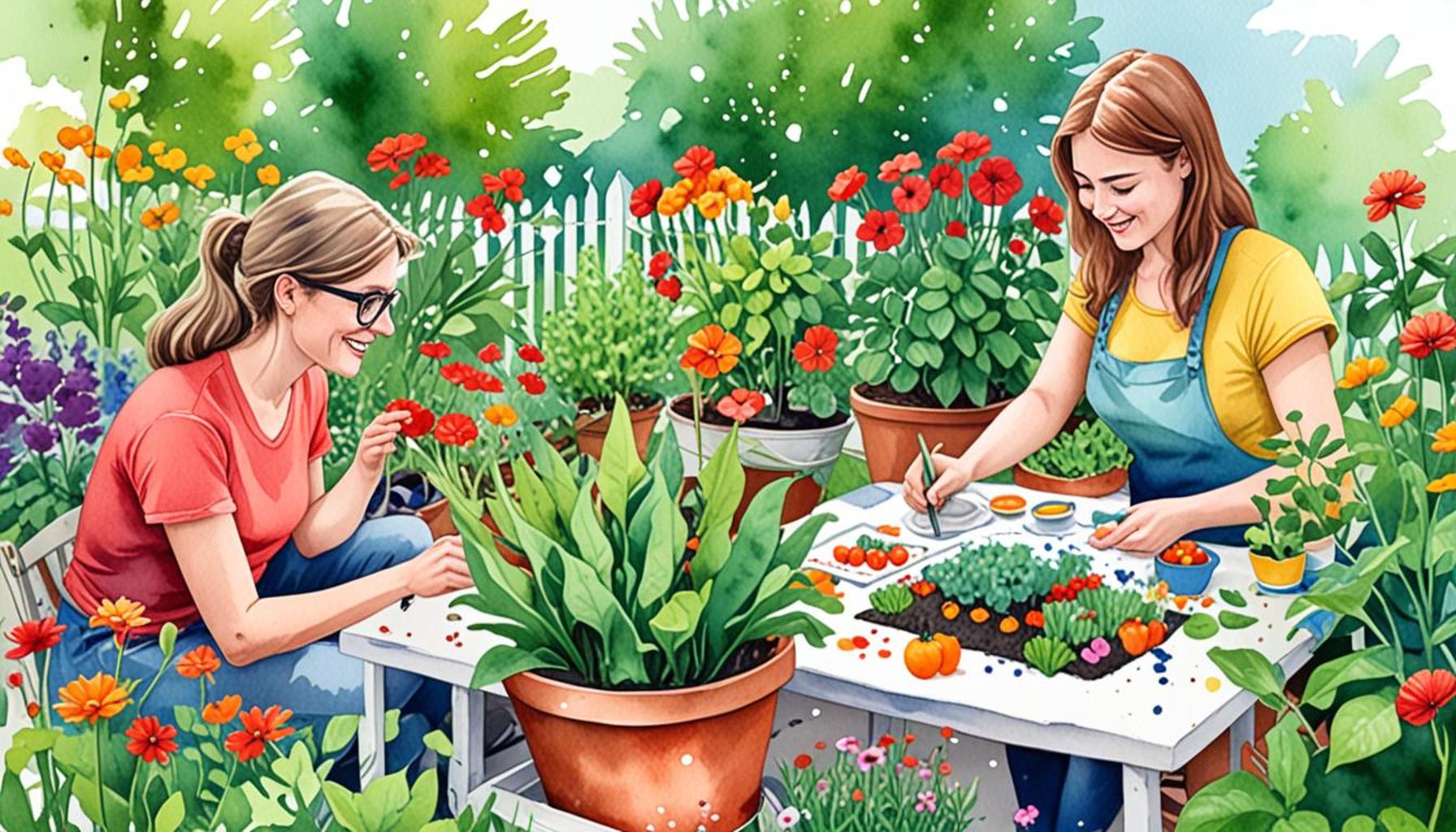
- Regular Meetups and Garden Tours: Organizing regular garden tours or meetups with friends and community members allows for real-time feedback and knowledge exchange. By visiting each other’s gardens, you can observe unique techniques, plant choices, and troubleshooting methods firsthand. Seeing how others manage their spaces can inspire new ideas you might never have considered on your own.
- Cultivating Diverse Perspectives: Each gardener has a distinct style influenced by their background, regional climate, and personal preferences. Engaging with a diverse group exposes you to various practices and philosophies. For example, a gardener from a wetter climate may utilize different watering strategies than someone from a drier area, offering alternative approaches to common issues such as irrigation and soil nutrient management.
- Sharing Resources and Tools: Gardeners often have a wealth of tools, seeds, and resources that they are willing to share or trade. Establishing a resource-sharing system within your network can alleviate costs and encourage experimentation with new plants and techniques. Perhaps one friend has excess heirloom seeds, while another may have extra gardening tools they’d be willing to lend out.
- Online Courses and Webinars: Many gardening communities offer workshops and online courses designed to enhance your skills. By participating in these educational opportunities, you are not only expanding your gardening knowledge but also connecting with like-minded individuals. Through platforms like Zoom or YouTube, you can join discussions led by experts who share valuable feedback on specific techniques or gardening challenges.
Moreover, utilize social media to its full potential. Platforms like Instagram and Pinterest are popular for garden planning and inspiration, where sharing your progress can garner useful input from others. You might post a picture of your pest-ridden plants only to receive an outpouring of remedial advice that you didn’t consider, such as natural insect repellents or beneficial insect introductions.
Another emerging trend in gardening is the use of smartphone apps and websites designed for plant identification and growth tracking. With apps like PlantNet or Gardenia, you can photograph your plants and receive immediate feedback on their health and care requirements from community users worldwide. This tech-savvy approach to feedback seamlessly integrates with traditional community knowledge, amplifying your learning curve.
To fully harness the strength of your gardening network, consider initiating feedback loops where you ask specific questions and offer insights from your own experiences. This reciprocal approach encourages active participation, allowing each member to foster their learning while contributing to the collective knowledge of the group. As relationships deepen and camaraderie flourishes, the richness of your gardening journey will inevitably enhance, leading to lush, thriving gardens.
DIVE DEEPER: Click here for essential tips
Conclusion
In conclusion, the journey of enhancing your gardening techniques is greatly enriched through the use of feedback from friends and gardening communities. Embracing this collaborative approach not only fosters personal growth but profoundly deepens the enjoyment of gardening itself. As you cultivate these connections, you gain access to unique insights and diverse perspectives that can guide your growth in ways you might not have anticipated.
The ongoing exchange of knowledge—whether through meetups, resource sharing, or online forums—creates a dynamic learning environment, empowering you to experiment and innovate. Exploring platforms like Instagram or utilizing apps for real-time feedback introduces a modern twist to the traditional methods of learning. These technological tools complement communal resources, further enhancing your ability to overcome challenges and celebrate successes.
Moreover, establishing a culture of feedback within your gardening network is vital for mutual development. By asking specific questions and actively sharing your own experiences, you contribute to a vibrant tapestry of knowledge that benefits everyone involved. Ultimately, this interconnectedness transforms your gardening journey into a collective adventure marked by creativity, sustainability, and ultimately, flourishing gardens. As you nurture these relationships, you not only enhance your gardening techniques but also cultivate lasting friendships that blossom season after season.