Using Positive Reinforcement to Encourage Children to Take Care of the Garden at Home
Gardening: A Growing Adventure for Kids
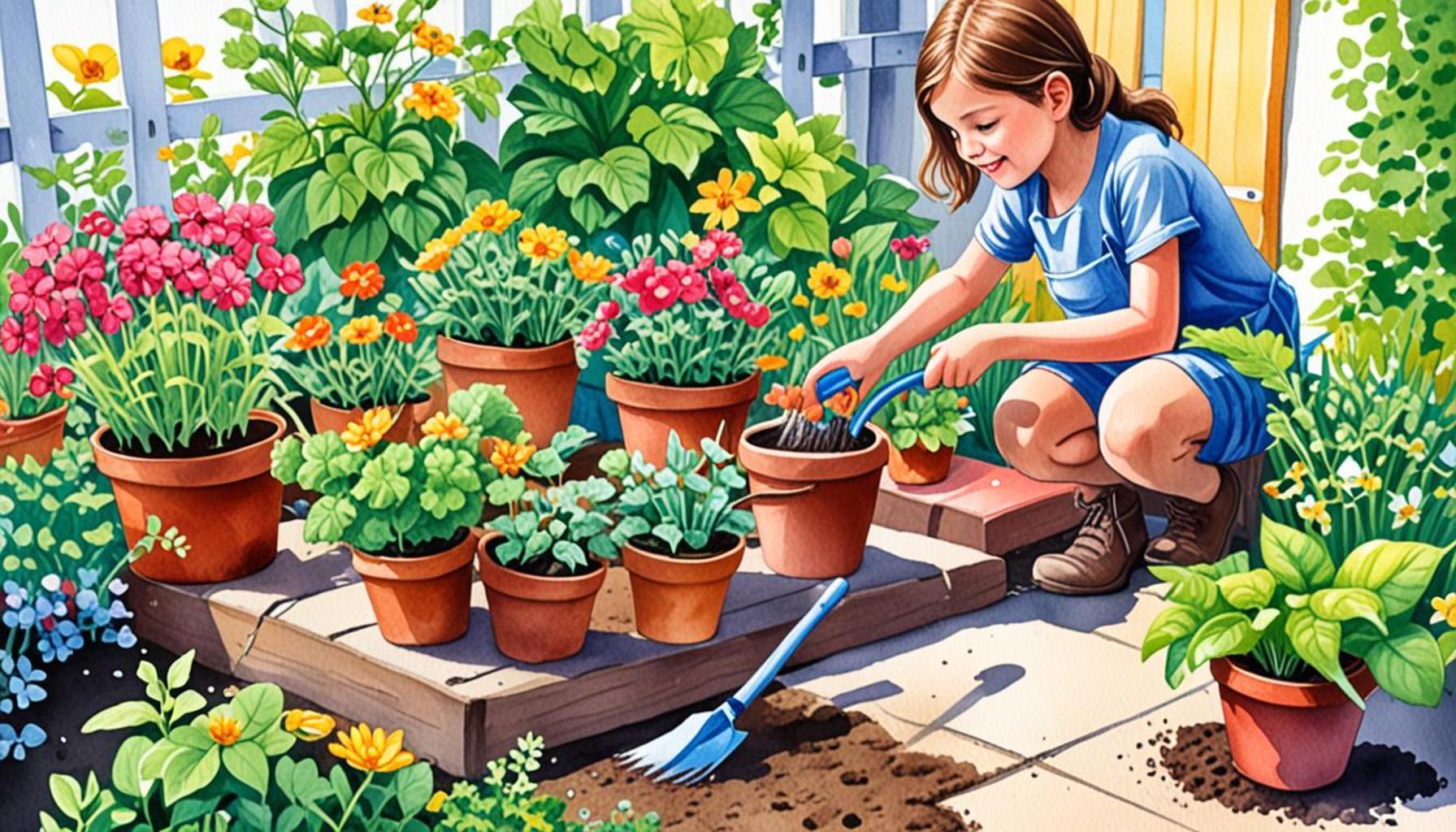
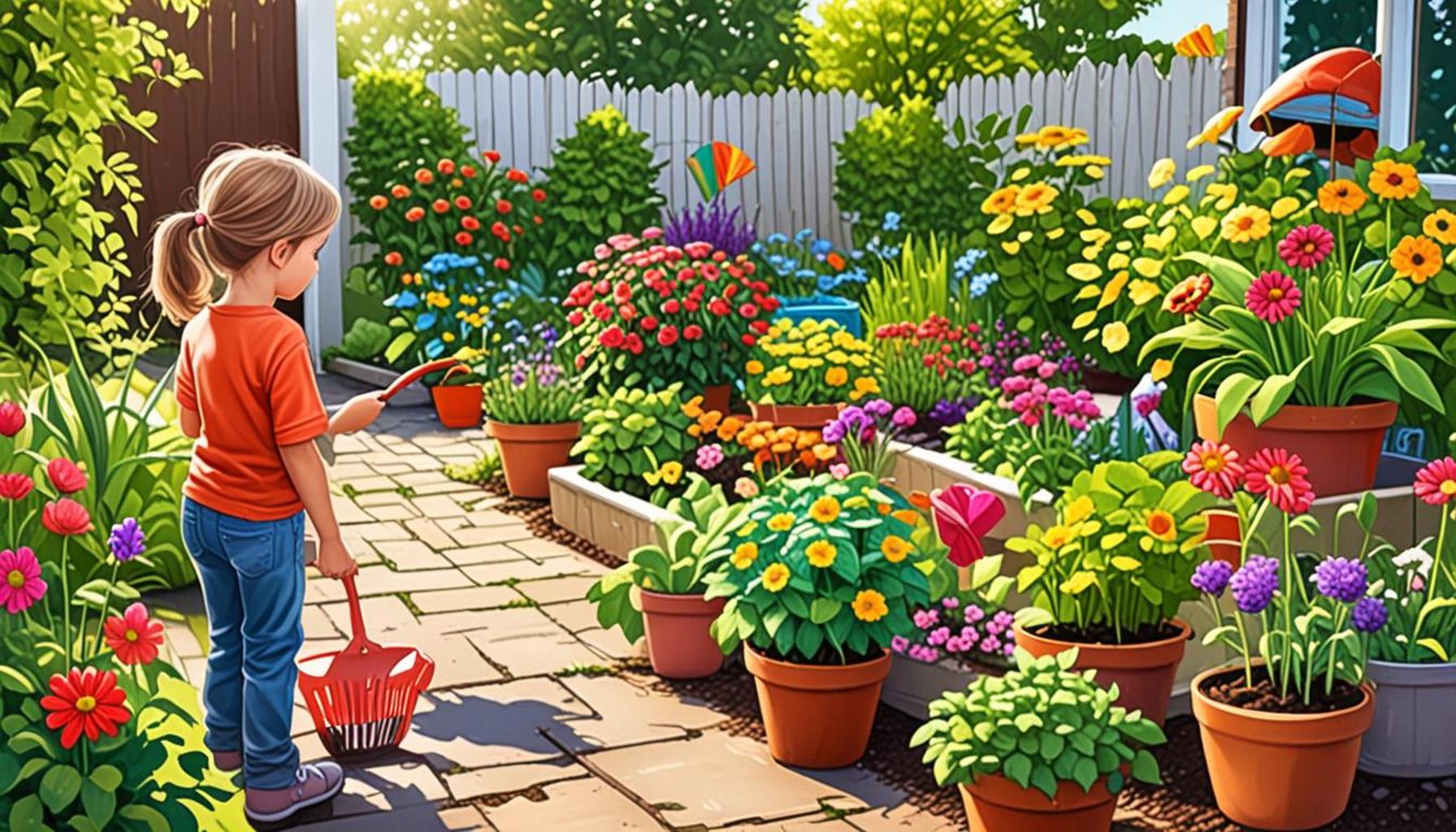
Encouraging children to appreciate nature can start right in your backyard. With the right approach, your garden can transform into a place of learning and responsibility. Using positive reinforcement is a powerful method to cultivate not only plants but also valuable skills in children. By providing them with the tools and knowledge to make their gardening journey enjoyable, you can foster a profound connection between your young ones and the natural world.
Why Gardening Matters
Gardening offers numerous benefits that go beyond aesthetics and beautifying spaces. For families with children, the backyard garden can be a wealth of opportunities for growth and learning. Here are some key reasons to involve kids:
- Boosts Responsibility: Caring for plants teaches children commitment and accountability. When entrusted with specific tasks like watering or weeding, kids learn the importance of following through. For instance, they could be responsible for nurturing a sunflower from seed to full bloom, experiencing firsthand the results of their dedicated care.
- Enhances Learning: Kids can learn about biology, ecosystems, and nutrition. Simple concepts such as photosynthesis and the role of pollinators can be fascinating subjects to explore. Parents can use hands-on activities, like creating a small compost bin, to visibly demonstrate how waste can enrich soil, thereby connecting kids directly to the life cycles they study in textbooks.
- Encourages Physical Activity: Gardening promotes outdoor play, improving health and fitness. Activities such as digging, planting, and harvesting not only engage children physically but also provide them with an enjoyable way to stay active while avoiding the sedentary lifestyle that often accompanies modern technology and screens.
The Role of Positive Reinforcement
Utilizing positive reinforcement can significantly enhance this experience, making gardening a rewarding adventure. Key strategies include:
- Verbal Praise: Complimenting children’s efforts can motivate them to continue. For instance, saying “Wow, look how well your tomatoes are growing; you’ve done a great job!” reinforces their good work while building self-esteem.
- Reward Systems: Implementing a chart for tasks completed can visually encourage them. Kids can earn stars or stickers for completing their gardening chores, incentivizing their commitment. Once they gather enough stickers, they can receive a small reward, like choosing a new plant variety to cultivate.
- Celebrating Success: A small celebration for a garden well-kept instills pride. Whether it’s a family dinner featuring a salad made from their homegrown vegetables or a mini garden party, recognizing their hard work solidifies their achievements and fosters a deeper connection to gardening.
By integrating these techniques and employing engaging activities, you can create a nurturing environment that fosters both a love for gardening and a sense of responsibility. Explore how you can make gardening an exciting journey for your children that teaches lifelong skills. Not only will they reap the benefits of their labor through fresh produce and beautiful blooms, but they will also form essential life skills that reach far beyond the garden.
DISCOVER MORE: Click here for tips on fostering gardening enthusiasm in kids
Engaging Children Through Positive Reinforcement
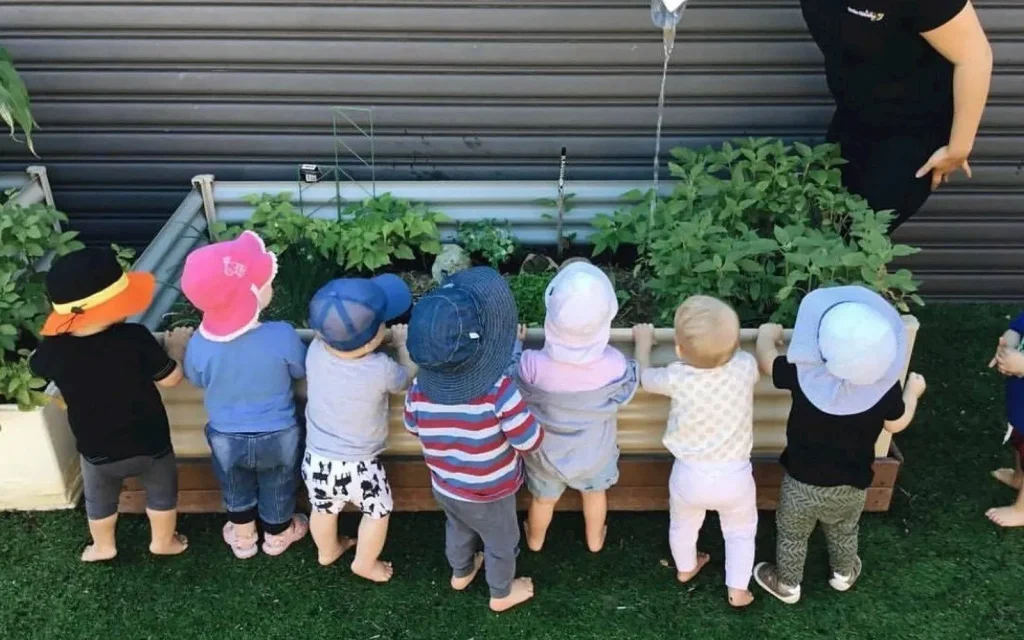
Incorporating positive reinforcement into gardening activities can transform a child’s experience from a mundane chore to an exciting adventure. Every small achievement in the garden, whether it’s planting seeds or harvesting vegetables, can be an opportunity for parents to engage children in a meaningful way. By tailoring the reinforcement techniques to be age-appropriate and fun, parents can create a dynamic environment that captivates their children’s interests.
Types of Positive Reinforcement Strategies
To effectively encourage children to take care of the garden, it is essential to incorporate various forms of positive reinforcement. Here are some effective strategies that have shown success:
- Immediate Feedback: Providing immediate feedback after a task like watering or weeding helps children correlate their actions with positive outcomes. Phrases like “Your watering made the flowers perk up!” encourage children to see the direct impact of their efforts.
- Involvement in Decision-Making: Involving children in choosing what to grow can instill a sense of ownership. When kids make choices about plant varieties, such as herbs or colorful flowers, they are more likely to take responsibility for their growth. Create a mini “garden election” where they can vote on what to plant next.
- Growth Tracking: Implementing a growth chart or journal where kids can document their gardening progress serves as a visual motivator. They can draw pictures of their plants or note the stages of growth, further reinforcing their connection to the garden.
Every child has different motivations and responses to positive reinforcement, so it’s critical to personalize these approaches. For example, some may thrive on verbal praise, while others might respond better to tangible rewards. Determining what resonates best with each child can elevate their engagement and investment in gardening.
Creating a Workshop Experience
Transforming gardening into a workshop-like experience can enhance the fun and educational aspects. Parents can incorporate interactive elements such as:
- Garden Scavenger Hunts: Organizing treasure hunts that involve finding specific plants or soil insects can make the gardening experience more adventurous. This approach combines learning with play, keeping children excited about exploring their garden.
- Gardening Challenges: Setting up friendly challenges, like who can make their plant grow taller or produce the most vegetables, adds an element of competition that encourages children to put in more effort.
By shifting the focus from obligation to enjoyment, parents can cultivate a lifelong passion for gardening in their children. Each moment spent in the garden can become an opportunity for connection, learning, and fun, ensuring that children not only understand the value of nurturing plants but also develop essential skills for caring for their environment. Embracing positive reinforcement in this way encourages them to see gardening not just as a task but as an adventure worth embarking upon.
| Advantage | Description |
|---|---|
| Enhanced Responsibility | By rewarding children for their efforts in the garden, they develop a sense of ownership and responsibility towards their tasks. |
| Improved Motivation | This method increases their motivation to participate, as positive experiences prompt them to engage more actively in gardening activities. |
| Bonding Time | Gardening together encourages family bonding, allowing parents to spend quality time with their children while supporting their growth and learning. |
| Boosting Creativity | Children are allowed to express their creativity by choosing plants and arranging them, which nurtures their imagination and individuality. |
The application of positive reinforcement not only transforms how children perceive their involvement in gardening but also cultivates crucial life skills. As children blossom in this green space, they learn values impossible to teach from textbooks. Encouraging a nurturing environment offers potential long-term benefits, sparking curiosity about nature and enhancing their emotional health. Engaging in such rewarding experiences presents an excellent opportunity for children to learn responsibility, boosting their confidence and establishing a foundation for future endeavors. Whether through a simple reward system or verbal praise, each step in cultivating a garden serves as a stepping stone to a fruitful future—both in gardening and in life.
DISCOVER MORE: Click here to learn how to boost your plant care motivation
Fostering a Sense of Responsibility through Gardening
Encouraging children to take care of the garden at home extends beyond just immediate tasks; it fosters a sense of responsibility that can positively shape their character. By integrating positive reinforcement strategies that reiterate the importance of their contributions, parents can instill values of dedication, care, and respect for nature in their children. This multifaceted approach can lead to not only a vibrant garden but also well-rounded individuals.
Showcasing the Fruits of Their Labor
The act of celebration can be a powerful tool in reinforcing children’s gardening efforts. When children see the tangible results of their hard work, such as ripe tomatoes or blooming flowers, it encourages them to continue their garden adventure with enthusiasm. Parents should take the time to celebrate milestones, whether by organizing a small garden party featuring the harvest or creating a photo scrapbook of their gardening journey. Such practices elevate a child’s motivation, showing them the fruits of their labor in a celebratory atmosphere.
Incorporating Educational Aspects
Multi-faceted educational experiences can enhance children’s understanding of the natural world. Utilizing the garden as a living classroom not only enriches their gardening skills but ties them to broader concepts, such as sustainability and ecology. Encourage children to learn about the various roles plants play in our environment, or how beneficial insects support garden health. Workshops or simple online activities about plant biology or environmental stewardship can further pique their interest. This knowledge can be reinforced via completed activities or successful learning outcomes, providing another layer of positive reinforcement.
Collaborative Gardening
Gardening can also become a community activity. Organizing family gardening days or inviting friends over for planting sessions can amplify the fun while boosting accountability. Group projects can lead to delightful competitions, such as who can decorate their section of the garden most creatively. This collective effort, bolstered by continuous praise and recognition from parents, strengthens children’s commitment and enhances their enjoyment of gardening. For example, a team effort in creating a butterfly garden or a vegetable patch can not only beautify spaces but simultaneously teach teamwork and collaboration.
Utilizing Technology
In today’s digital age, parents can leverage technology to keep children engaged. Utilizing apps focused on gardening can make the practice intriguing and interactive. Digital gardening tools often include features such as watering reminders, plant identification, and growth tracking, which gamify the gardening experience. By rewarding children with points or badges for completed gardening tasks, technology becomes a powerful ally in implementing positive reinforcement. Playing educational videos or games that focus on gardening themes can extend children’s learning and further their involvement.
Overall, cultivating a child’s interest in gardening at home through positive reinforcement techniques opens doors to many valuable lessons. From fostering responsibility to creating a communal gardening experience, each element fortifies a child’s connection to nature, nurturing their personal growth alongside their green thumbs. By embracing various approaches that appeal to differing motivations, parents can ignite a lasting passion for gardening that blooms just as vibrantly as the plants they cultivate together.
DISCOVER MORE: Click here for tips to enhance your garden
Conclusion: Nurturing Young Gardeners through Positive Reinforcement
In summary, utilizing positive reinforcement to encourage children to take care of the garden at home serves not just to cultivate plants, but to enrich young minds and character. By actively participating in gardening, children learn responsibility, teamwork, and environmental stewardship, all essential attributes for navigating the complexities of the modern world. The blend of celebration, education, collaboration, and technology enhances their connection to nature and instills a sense of achievement in their gardening efforts.
Moreover, gardening becomes a canvas for creativity, inviting children to express themselves while developing important life skills. Parents can further enhance this experience by introducing themed gardening activities or projects that align with their children’s interests, thus amplifying engagement. As they witness the direct results of their care, children are motivated to continue their gardening journey, becoming advocates for sustainability and cultivating a lifelong passion for nature.
Ultimately, the gardens nurtured at home serve as a testament to the power of positive reinforcement—a strategy that not only yields vibrant plants but also cultivates responsible, curious, and resilient individuals. Parents and caregivers are encouraged to explore new methods and resources to deepen their children’s understanding and enjoyment of gardening, ensuring that this enriching activity flourishes in homes across the nation.